The key facts
- The goal of creating 300,000 IT jobs by 2030 has already been fulfilled this year; a task has been set to create another 500,000 jobs
- By 2030, 5.5 million young people are planned to be trained, 1 million annually in robotics, game development, startups and other fields
- Digital education grants are planned to increase from $22 million (2025) to $60 million by the end of this year and $100 million per year by 2030
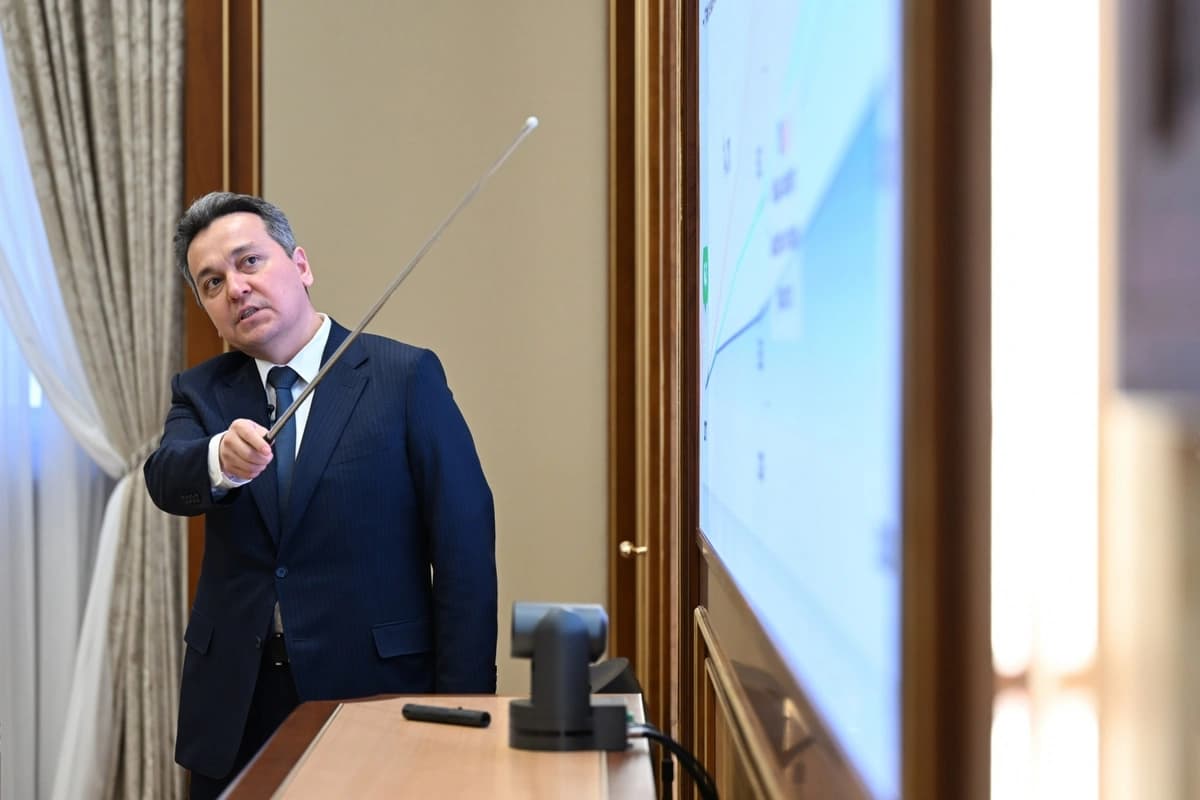
Digital Education Presentation
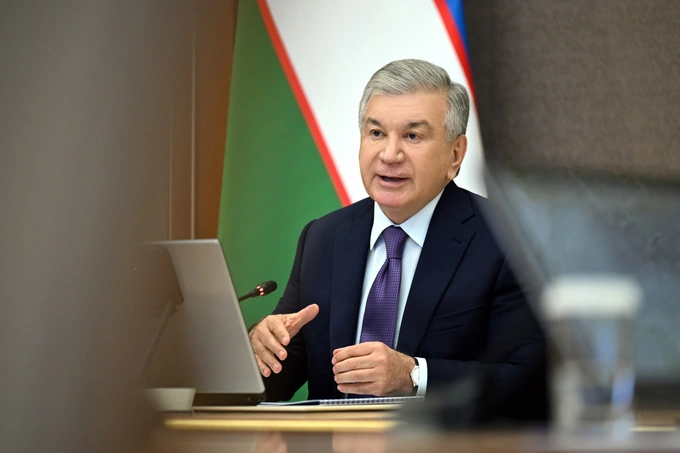
On October 20, President of Uzbekistan Shavkat Mirziyoyev reviewed a presentation on the development of the digital education ecosystem, the presidential press service reported. The presentation noted that the goal of creating 300,000 jobs in the IT industry by 2030 had already been achieved this year. Now the task has been set to create an additional 500,000 jobs by 2030 through the development of new areas of the digital economy.
Unified Ecosystem and Mass Training
To achieve the new goals, a unified digital education ecosystem is planned, covering all stages — from training and certification of professional skills to employment. By 2030, 5.5 million young people are to be trained in traditional and distance formats. The President set the task of training 1 million young people annually in robotics, computer game development, startups and other promising fields. For this, it is necessary to build a corps of national trainers, accelerate the launch of online platforms and short-term digital courses, as well as develop scientific research and implement its results in practice.
Schoolchildren, Universities and Teachers
For schoolchildren, the projects “Al-Khwarizmi Heirs” and “Five Million AI Leaders” (5 Million AI Leaders) are planned to be expanded, combining the capabilities of universities and private training centers. The adaptation of personnel training in universities to technologies and labor market changes was discussed: it was proposed to develop education in artificial intelligence, microchip design, unmanned technologies and computer game development, as well as to expand students' participation in practical projects and their access to international digital courses. Also discussed were professional development of computer science teachers in AI with subsequent certification, creation of iOS developer training centers based on the Fergana experience, and training of mentors for private training centers.
Science and the “Digital Youth” Platform
Special attention was given to integrating scientific research into education: it was proposed to train specialists in embedded systems, microelectronics and the Internet of Things at universities, as well as to support engineering developments and research laboratories. To connect acquired knowledge with the labor market, the “Digital Youth” (“Rakamli yoshlar”) platform is planned to be developed: it will combine data on citizens' education, skills, language proficiency and certificates, help select suitable vacancies and track employment.
Grants and Instructions
The need to broadly involve global technology companies in digital education was noted. Last year, $22 million in grants was attracted in this area; the task was set to increase the figure to $60 million by the end of this year and to $100 million per year by 2030. Half of the grant funds attracted this year will be directed to digital education, the rest to professional development programs and the creation of digital education centers in remote regions, equipped with modern equipment for teaching AI, robotics and programming. Mirziyoyev emphasized that alongside coverage, the key criteria should be the quality of education and its impact on employment. Responsible officials were instructed to achieve goals through specific programs, expand learning opportunities in the regions and strengthen cooperation with the private sector and foreign partners. The President was also briefed on the progress of organizing the activities of the International Center for Digital Technologies (in Uzbek-language publications — Rakamli texnologiyalar xalqaro markazi; in the Russian-language version, Spot.uz called the center Enterprise Uzbekistan).