The key facts
- A record 11.7 million foreign tourists in 2025; over 7.7 million in the first seven months of 2026 (+22.6%).
- Subsidies for airlines (€89 per tourist), discounts on airport services, payments to tour operators of up to €4,460 per thousand tourists.
- 2026–2030 strategy: 20 million tourists per year, 7% of GDP, $6 billion in service exports.
Record tourist flow and economic indicators
According to the National Statistics Committee, in 2025 Uzbekistan received a record 11.7 million foreign visitors. According to UN Tourism data, in the first quarter of 2026 the number of international arrivals grew by 37% compared with the same period of 2025 — this allowed the country to enter the top five states with the highest growth rates in tourist flow. In the first seven months of 2026, more than 7.7 million foreigners visited the country, 22.6% more than a year earlier. According to the Tourism Committee, exports of tourism services reached almost 3.5 billion euros.
Financial incentives for business
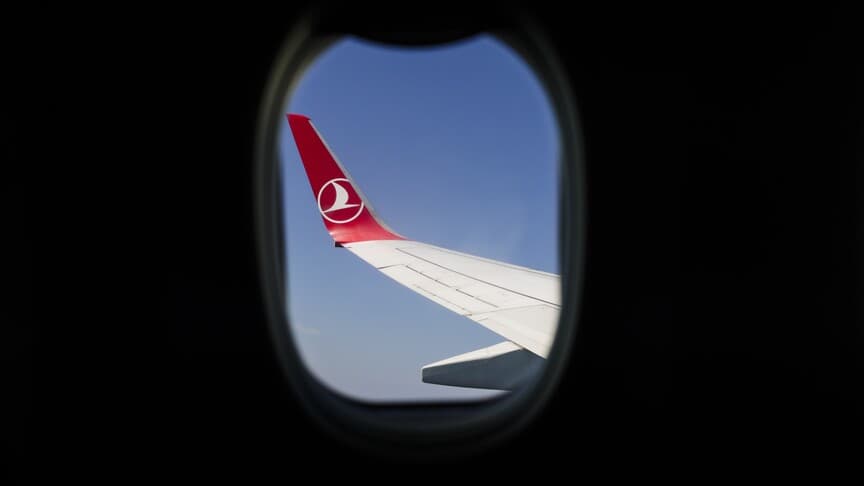
Under the 'Open Tourism 2026' season, airlines opening new routes are offered subsidies of 89 euros for each foreign tourist brought in and a 20% discount on airport services. Tour operators can receive up to 4,460 euros for every thousand tourists from certain foreign markets. Separate measures are provided for charter flights and tourism startups. In the first seven months of 2026, new accommodation facilities added more than 22 thousand beds. Euronews notes that the long-term effectiveness of the measures depends on whether the additional demand turns into sustainable commercial activity.
Development of air and rail services
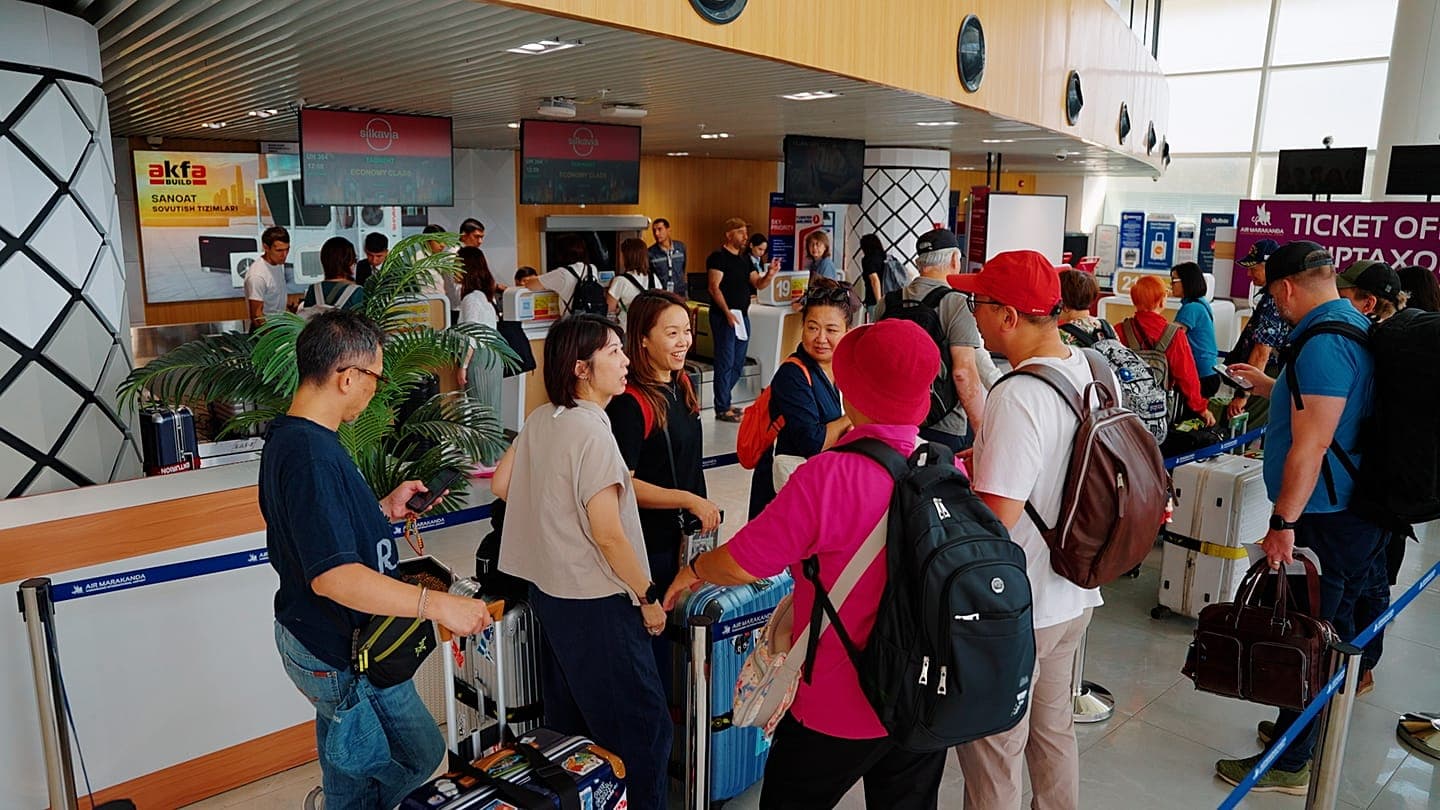
Passenger traffic at Samarkand International Airport has tripled since 2022, commercial director Dmitry Martynenko said — facilitated by a new terminal, an 'open skies' policy, and the attraction of international airlines. In 2025, the airport served a record 1.5 million passengers (about 10% more than the year before); 24 airlines operated flights on 30 routes. 'We are now actively developing air services with China. We are also working on opening routes to Southeast Asian countries,' Martynenko said. The new Jaloliddin Manguberdi train cut travel time between Tashkent and Khiva from 14 to seven and a half hours. First Deputy Chairman of the Board of Uzbekistan Railways Khikmatulla Rakhmetov said that high-speed service covers more than ten cities, and among the projects is a separate high-speed line Tashkent — Samarkand for trains with speeds of up to 300 km/h.
Visa reforms and new markets
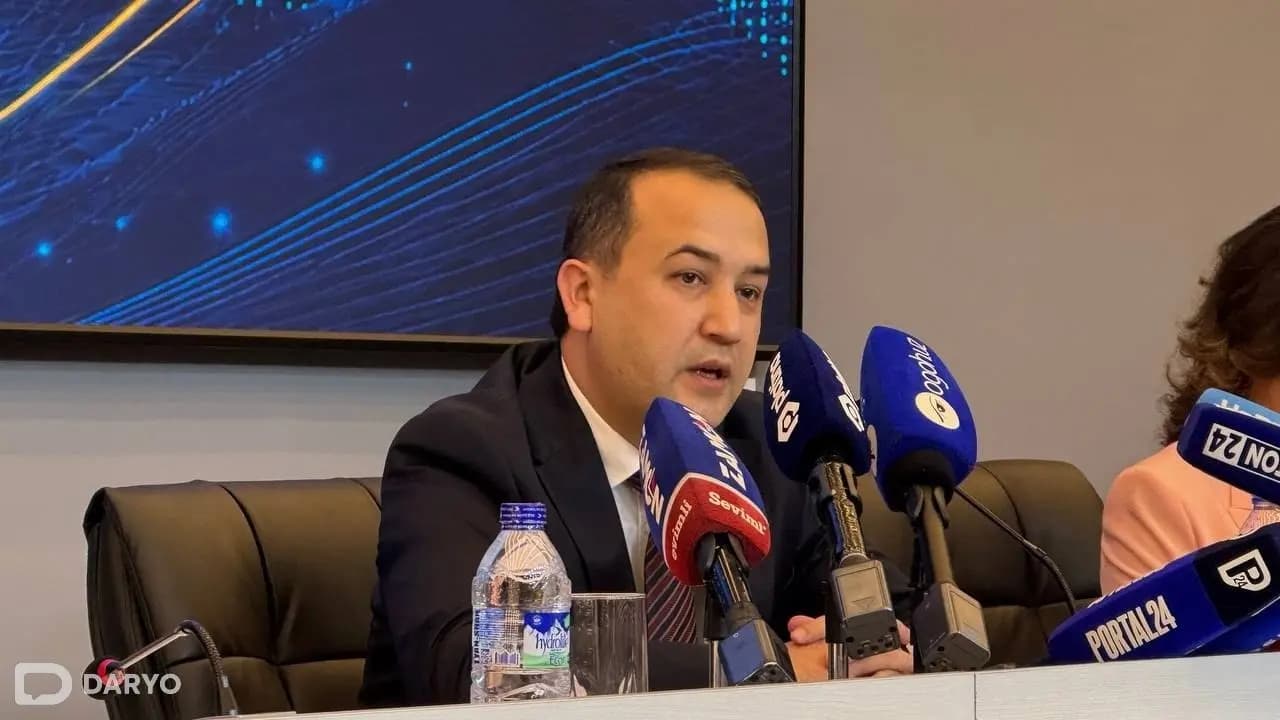
Citizens of more than 90 countries can visit Uzbekistan visa-free for various periods; an e-visa is available for others. The Tourism Committee promotes the country at trade shows, roadshows, and through the Expedia and Trip.com platforms. Advisor to the committee chairman Oybek Khakimov said that after the introduction of a mutual 30-day visa-free regime with China, 'by the end of 2025 the number of tourists from China had increased more than sixfold compared with 2023.' The authorities are also developing destinations beyond the traditional Great Silk Road routes: more than 50 tourist villages and mahallas have been created, and mountain resorts and regional attractions are opening.
Service quality and tourists' opinions
Romanian tourist Cezar Marcsteiner-Ungureanu, visiting the country for the first time, noted the sense of safety: 'Throughout the entire journey I felt completely safe,' but pointed to a lack of information in some museums. Tourist from South Korea Goun Yong Won highly praised Khiva's preserved architecture and hospitality: 'This is the first time I have seen an entire city preserved as a historical monument.'
Goals of the 2026–2030 strategy
The tourism development strategy for 2026–2030 envisions increasing the annual number of foreign visitors to 20 million, raising the industry's contribution to GDP to 7%, and growing tourism service exports to 6 billion dollars. According to Euronews, achieving the goals depends not only on the number of arrivals but also on the length of tourists' stay, their spending, and the ability of local businesses to capitalize on growing demand; sustainable growth will require economically viable routes, competitive service, and more diverse tourism offerings.