The key facts
- Rudenko: Russia does not link its relations with other countries to the conflict in Ukraine and was not the initiator of the deterioration of relations with Seoul
- According to him, Seoul allows normalization only after a 'change in the geopolitical situation'
- A possible resumption of direct flights between the countries is being discussed, but there are no concrete results yet
Moscow sets out conditions for dialogue with Seoul
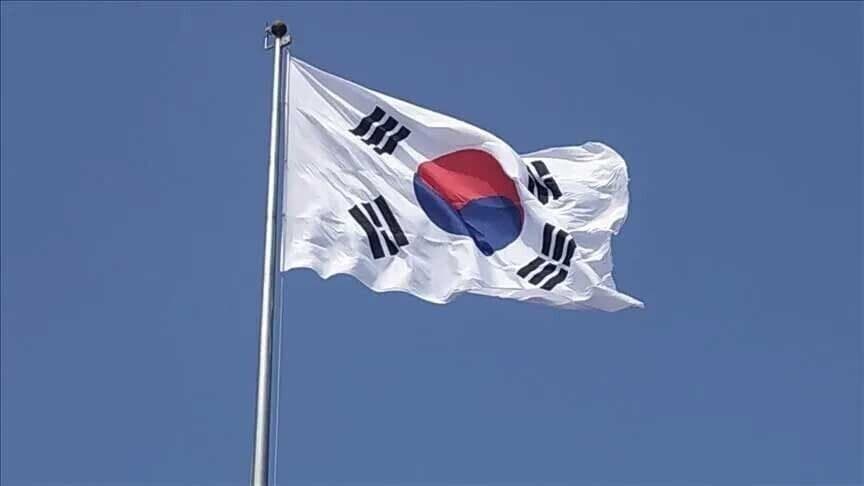
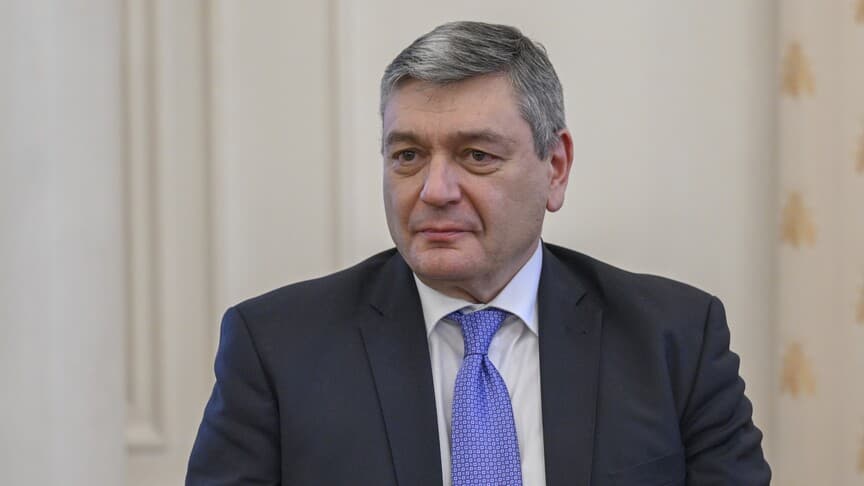
Russia would welcome practical steps by South Korea to restore bilateral relations, Russian Deputy Foreign Minister Andrey Rudenko said at a briefing in Moscow on Tuesday. According to him, Moscow does not link its relations with other countries to the conflict in Ukraine.
The positions of the parties
Rudenko noted that Russia 'took note of certain statements by the South Korean authorities about their desire to normalize relations,' but Seoul, according to him, says normalization is possible only after a 'change in the geopolitical situation,' that is, the end of the conflict in Ukraine. The deputy foreign minister also placed responsibility for the deterioration of relations on Seoul: 'We were not the ones who initiated the rupture of relations with South Korea. Seoul joined the sanctions imposed against the Russian Federation.'
Seoul's statements and air travel
Earlier, South Korean President Lee Jae-myung said that Seoul considers relations with Moscow important and will continue to maintain communication. Rudenko said that the aviation authorities and companies of the two countries are discussing the possibility of resuming direct flights, but, according to him, it is too early to speak of concrete results.
Other topics at the briefing
When asked about a possible meeting of Russia, China and the United States on Ukraine, Rudenko said that all three countries had expressed interest, but practical discussions had not yet taken place. He declined to comment on the upcoming visit of US Secretary of State Marco Rubio to India, noting that India is an independent country pursuing a sovereign foreign policy.