The key facts
- Lavrov in Tehran: Iran's cause is just, Russia will continue diplomatic, humanitarian and economic support
- Trump: Russia is doing 'very little' to help Iran, new sanctions on Moscow could derail Ukraine talks
- Trump also criticized Zelensky for strikes on Russian refineries and their impact on diesel fuel markets
Lavrov in Tehran Confirmed Support for Iran
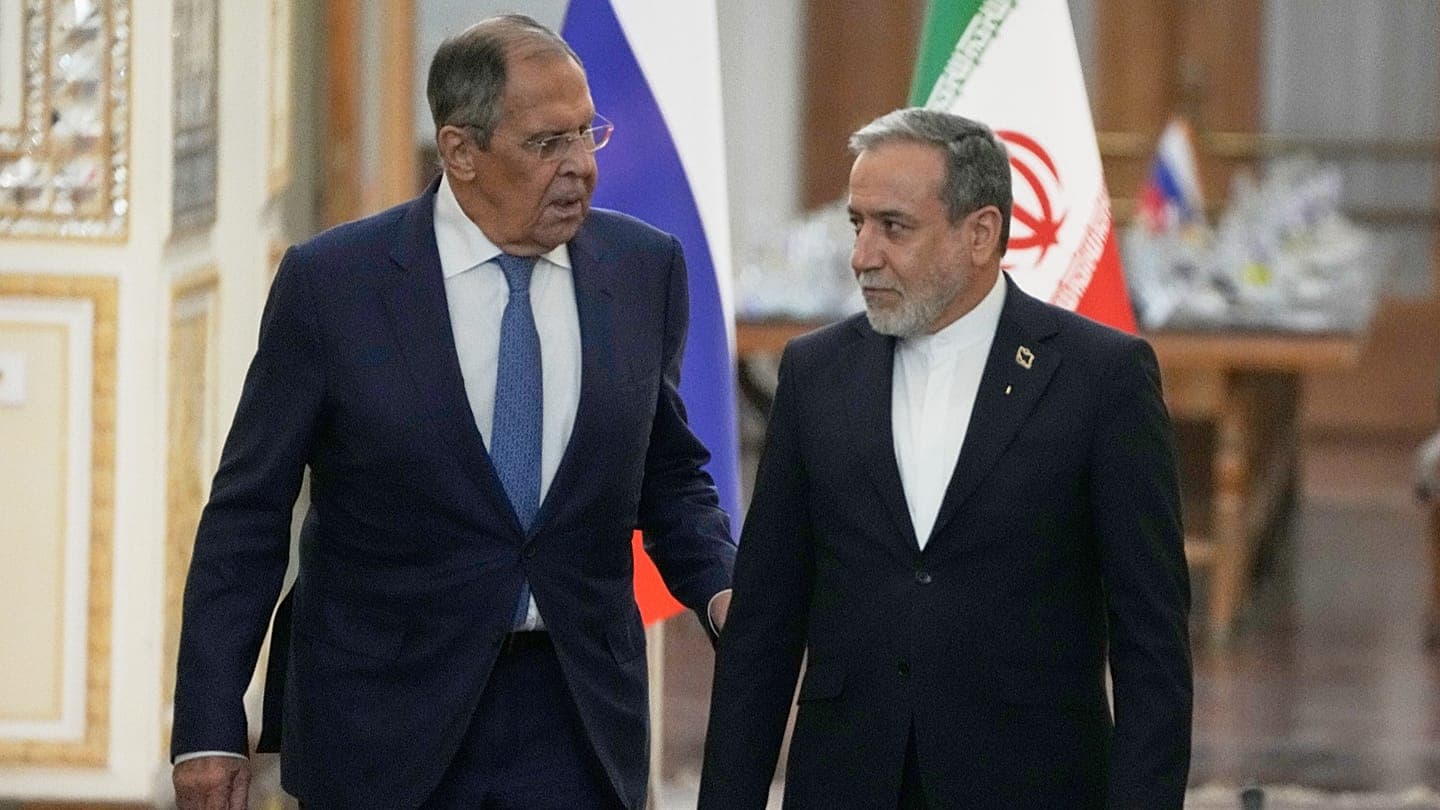
Russian Foreign Minister Sergey Lavrov on Monday at a joint press conference in Tehran with his Iranian counterpart Abbas Araghchi stated: 'I am confident that Iran's cause, like Russia's cause, is a just cause.' He accused Washington and Israel of unleashing, in his words, an unprovoked military campaign against Iran and confirmed Moscow's readiness to continue supporting Tehran.
Readiness for Diplomacy and Economic Commitments
Lavrov stated that Russia is ready to help in finding mutually acceptable solutions to overcome the crisis, which he characterized as caused by the military actions of the US and Israel. According to Kremlin-controlled media, he welcomed Tehran's readiness for diplomacy and called for a return to the pre-war situation in the Persian Gulf and the Strait of Hormuz, including the restoration of freedom of navigation and guarantees against new military actions. Lavrov also stated that Moscow at the UN blocked attempts to justify the US and Israeli strikes on Iran, supplied humanitarian aid — medicines and regular shipments of food — and does not intend to abandon agreements with Iran in the economic and investment spheres.
Trump: Russia Is Doing 'Very Little' for Iran
A few hours earlier, US President Donald Trump wrote on Truth Social: 'Russia is doing very little, if anything, to help the Islamic Republic of Iran compared to what it could be doing, and I want to keep it that way.' He defended easing economic pressure on Moscow, arguing that further sanctions could jeopardize talks on ending the war in Ukraine: 'I am in the process of negotiating peace in the war between Russia and Ukraine and do not want to do anything that would foolishly drive Russia away from the negotiating table.' This decision — the refusal of a new sanctions package and the easing of restrictions on Russian diesel — has drawn criticism over potential additional revenues for Moscow; the White House defends it as part of efforts to preserve peace talks and reduce pressure on global fuel markets.
Criticism of Zelensky and the Diesel Market
In the same post, Trump criticized Ukrainian President Volodymyr Zelensky, accusing him of damaging global diesel fuel markets with Ukraine's ongoing strikes on Russian oil refineries. According to Trump, it is Kyiv's strikes, not Moscow's invasion or Washington's war with Iran, that harm American farmers, businesses and consumers; he praised Russia for agreeing to supply diesel to international markets at relatively low prices. Trump also accused Zelensky of having no interest in ending the war, suggesting that Ukraine had missed earlier opportunities to negotiate on more favorable terms.