
The key facts
- Survation poll for BBC: 2,000 teenagers aged 13–18; 44% want more work experience, 43% finance lessons, 42% help with employment
- More than half of respondents had no work experience; 32% believe school is poorly preparing them for the future in the age of AI
- Skills Minister Jacqui Smith: the government's mission is for school leavers to be 'confident about their next step'
What teenagers lack at school
An online survey conducted by Survation for BBC covered 2,000 young people aged 13 to 18 and focused on the world of work and the help teenagers need to find employment after finishing their studies. The most common answers were: more opportunities for work experience (44%), help managing personal finances (43%), advice on applying for jobs (42%), managing stress and mental health (39%), and developing communication skills (38%).
Work experience is not available to everyone
More than half of respondents said they had not done any work experience. In England, the government wants to guarantee every school pupil two weeks of work experience in secondary school. Skills Minister Jacqui Smith called providing such preparation a government 'mission': teenagers should leave school 'confident about their next step and equipped with the skills and experience needed to succeed'.
Four internships in Newcastle
As part of the Teen Summit project (Radio 5 Live and Bitesize), BBC followed four students from Newcastle — Param, Mackenzie, Jasmine and Javaris — during their first internships. Fifteen-year-old Jasmine, who worked on logos at the web agency Readysalted, realised that office work probably does not suit her, and admitted she is 'afraid of the future' and constantly thinks about exams and getting into university. Param, who interned at the social housing group Re:Gen, noted that 'social skills are just as important as academic ones' and called for school lessons on taxes, mortgages and selling a home. Javaris and Mackenzie spent a week at Siemens Energy: Javaris, who dreams of becoming a doctor, learned how different parts of the company work, while Mackenzie, a future chemist or firefighter, compared 'hands-on' work with office work.
AI and soft skills
Against the backdrop of AI development, 32% of those surveyed believe school is poorly preparing them for the future of the labour market, although more than half rate the preparation positively. Mackenzie suggested including AI in the national curriculum, noting that 'it is becoming increasingly difficult to tell what is created by AI and what is not', and expressed concern about AI's impact on job availability. Aaron Smith, head of the Group Technology Service business at Siemens Energy, told the teenagers that employers value 'soft' skills: 'You can be very strong academically, but if you cannot deliver a presentation or speak in public — that is exactly what gets revealed in the assessment centres of internships.' According to him, AI is 'huge' in the industry, and the company actively encourages AI training.
Optimism and conclusions
Deputy headteacher Nigel Holmes emphasised that beyond academic preparation, it is important for schools to develop 'broad employability skills'. Mayor Andy Burnham declared the government's desire to 'invest in the success of our young people'; an announcement about thousands of jobs was expected this week. Despite AI and a difficult labour market, more than three quarters of the teenagers surveyed are optimistic about their future. All four participants of the project now have a clearer picture of their prospects after the internships: Javaris considers work experience mandatory, and Jasmine, after talking with a careers adviser, is considering studying psychology and is now confident that 'even without top grades, you still have a future'.

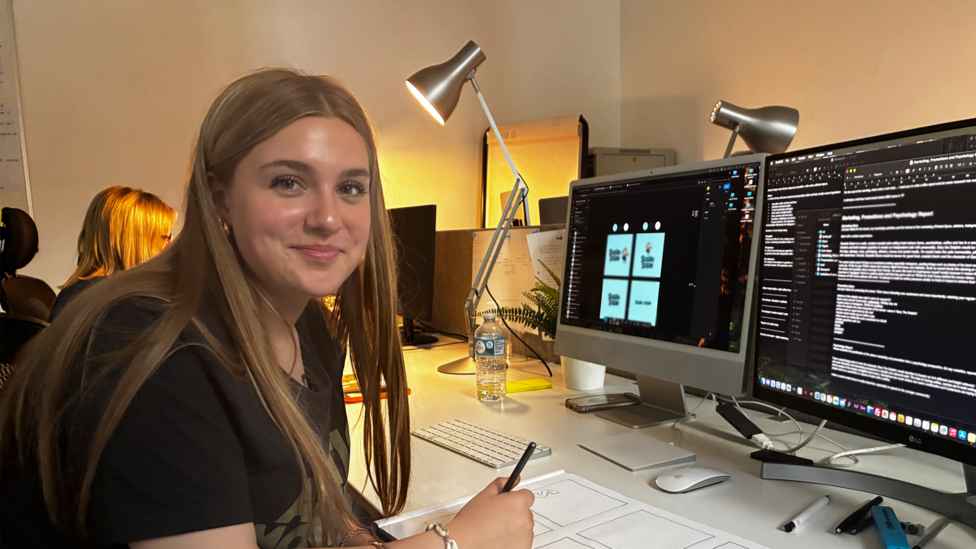
Jasmine said she was determined to make the right choices with what she does after school
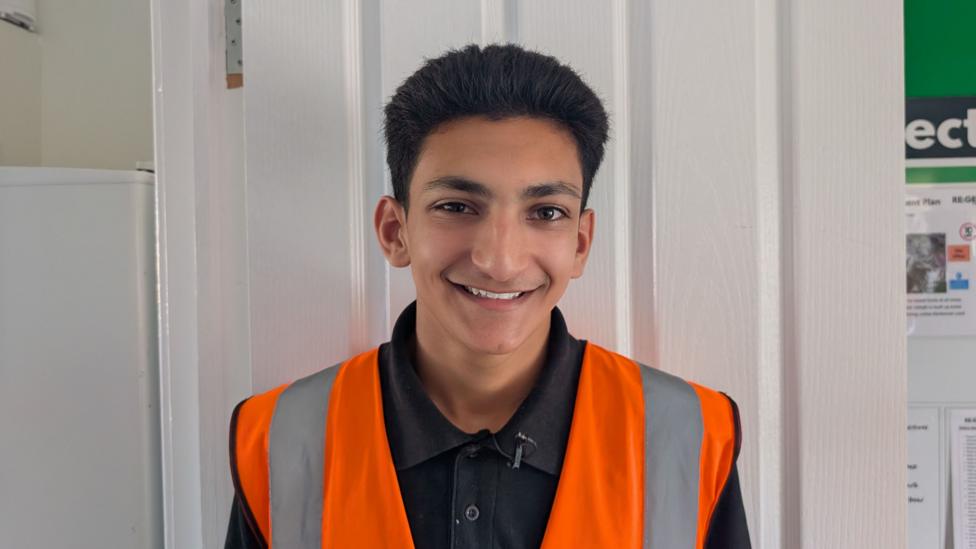
Param said he enjoyed working with new people, which brought him out of his comfort zone
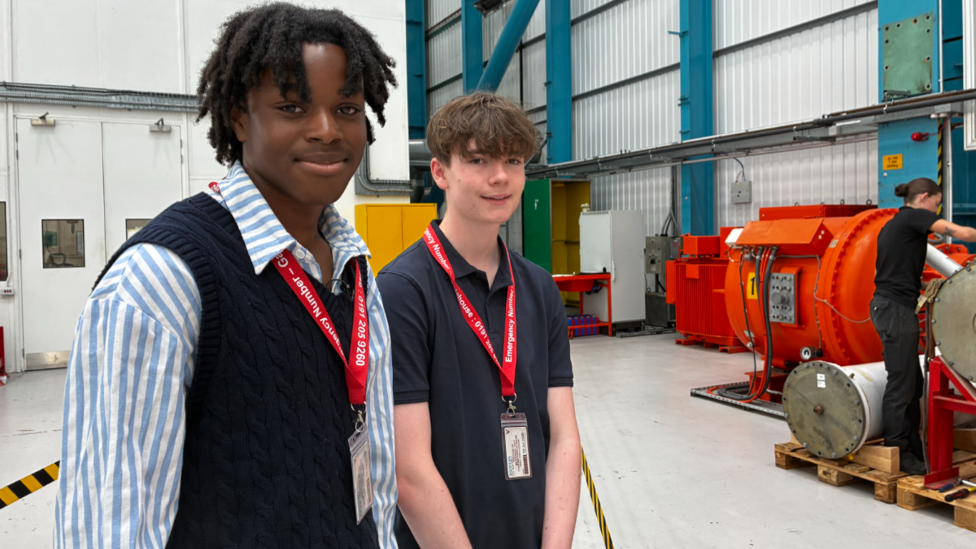
Javaris and McKenzie were able to learn about how a business is run at Siemens Energy