The key facts
- Death toll rose from 73 to at least 153, about 8,000 people displaced
- South Sudan and Abyei authorities accused the Sudanese army without presenting evidence
- MSF is treating more than 20 wounded; fire at the fuel depot continued until Tuesday
Attack on Amiet market
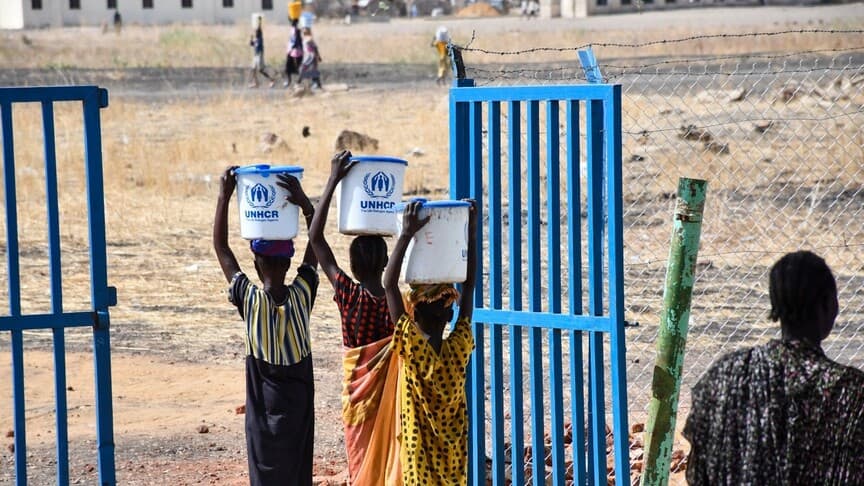
According to local authorities, the drone strike hit the busy Amiet market around midday on Monday. Abyei's acting information minister, Yohana Akol Ngur, told Reuters on Tuesday that the death toll had more than doubled — from 73 to at least 153 people. According to him, about 8,000 people were forced to leave their homes. South Sudan's foreign ministry said the drone struck several locations around the market.
Fire and the wounded
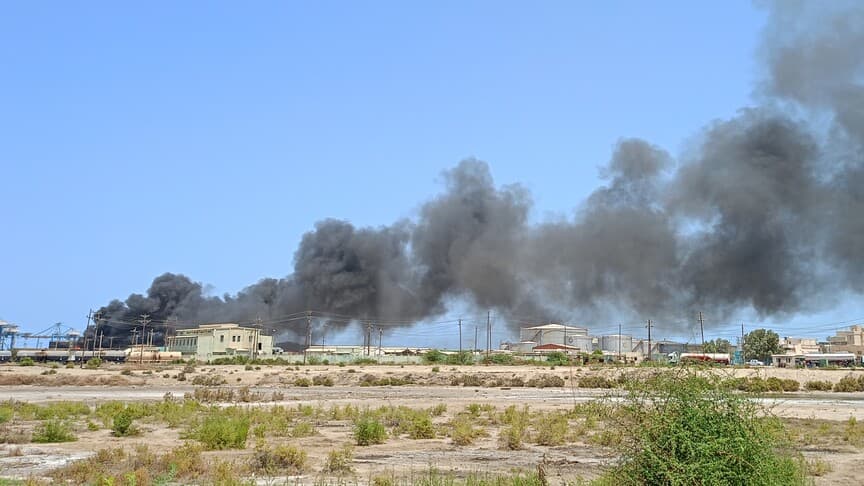
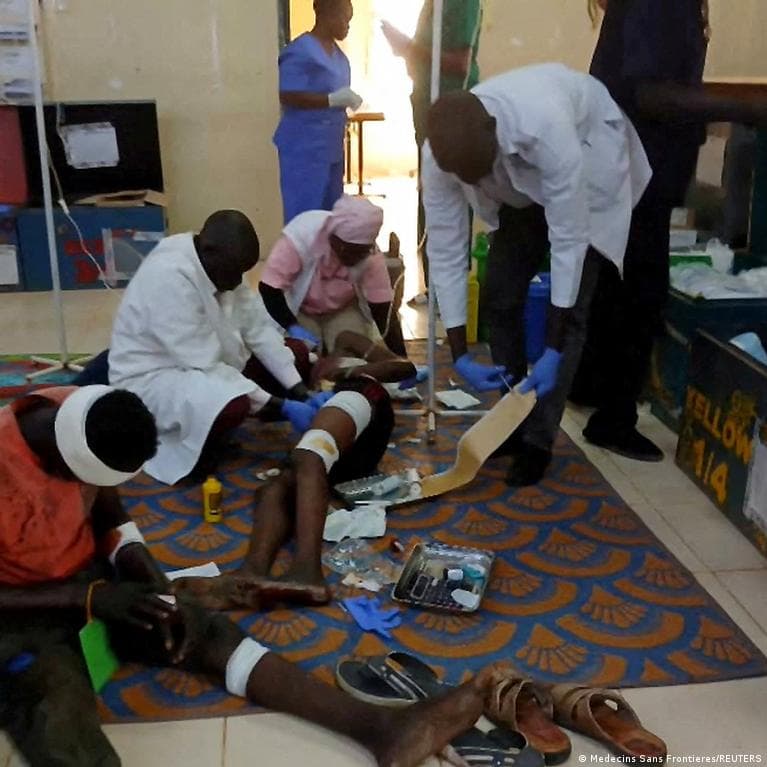
According to eyewitness accounts, one of the targets was a fuel depot, causing a large fire that could not be extinguished all night and was still burning on Tuesday. The medical organization Médecins Sans Frontières (MSF) said its staff are treating about 20 wounded people at the nearby Amth-Bek hospital. 'So far we have received more than 20 patients, several of them in critical condition. We have also received patients with burns,' said MSF medical manager Christian Lindmeier.
Accusations and reaction
Abyei authorities and South Sudan's foreign ministry blamed the strike on the Sudanese army without presenting evidence. South Sudan summoned Sudan's ambassador in protest and called on Khartoum 'to refrain from any actions that threaten the lives and property of civilians.' UN spokesperson Stéphane Dujarric told journalists in New York on Tuesday: 'We remain alarmed by the endless drone attacks across Sudan and the damage they cause to critical infrastructure — these attacks are devastating communities that are already suffering from the consequences of more than three years of conflict.'
Abyei's status
The status of the oil-rich Abyei region was not settled either by the 2005 peace agreement that ended decades of civil war in Sudan or by South Sudan's independence in 2011. A planned referendum never took place due to disputes over who was eligible to vote. The region remains in limbo under joint administration, with a temporary UN mission (UNISFA) operating there for 15 years. Most of the Ngok Dinka favor joining South Sudan, while the Misseriya nomads who use its pastures favor Sudan. The Amiet market is an important trading hub for both communities. In recent years, the region has also seen intercommunal violence between the Ngok Dinka and the neighboring Twic Dinka.
Context of the war in Sudan
The conflict between the Sudanese army and the paramilitary Rapid Support Forces (RSF), which began in April 2023, has led to the country's de facto partition and is heightening tensions in an already unstable region. Abyei borders South Kordofan state, which has become one of the main flashpoints of the fighting. The Sudanese army claims the RSF operates from Abyei territory as well; UNISFA made a similar statement in May. Abyei authorities and South Sudan dispute this. The UN special mission warned in May that the RSF presence in the region poses an additional danger to residents and risks escalating the long-standing territorial dispute. Both sides of the war actively use drones.