The key facts
- Switzerland and the UN are holding the sixth round of consultations on Sudan in Geneva on 21 October: 22 countries and 5 organizations, about 80 participants
- Sudanese parties are not taking part — the mechanism was created to coordinate international and regional mediators
- The five previous rounds (Cairo, Djibouti, Nouakchott, Brussels, Cairo) produced commitments on coordination but no comprehensive ceasefire
Sixth round of consultations in Geneva
Switzerland and the UN are holding the sixth round of international consultations on Sudan on Wednesday at the Palais des Nations in Geneva. The meeting will bring together 22 countries and five international and regional organizations to discuss de-escalation, humanitarian access and prospects for an inclusive political process. Around 80 participants are expected, including high-ranking officials; delegations will be led by ministers, deputy foreign ministers and directors from capitals. The meeting will be co-chaired by Switzerland and Personal Envoy of the UN Secretary-General for Sudan, Pekka Haavisto. The consultations will begin at 9:30 (07:30 GMT) with opening remarks, followed by closed discussions and a press conference at 17:30 (15:30 GMT). A separate operational meeting on the humanitarian situation is scheduled for Tuesday afternoon.
Context of the conflict
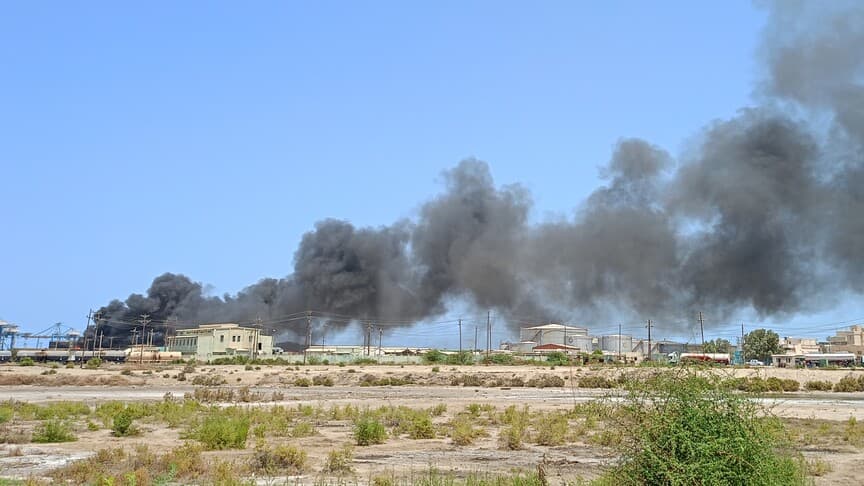
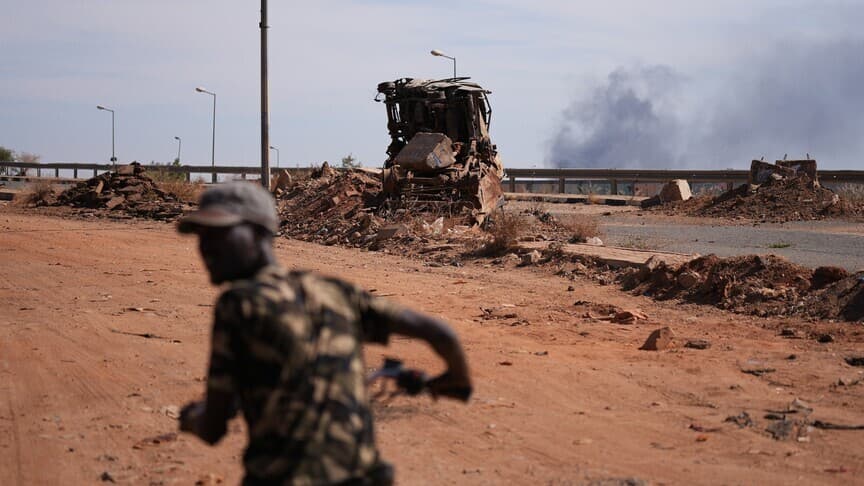
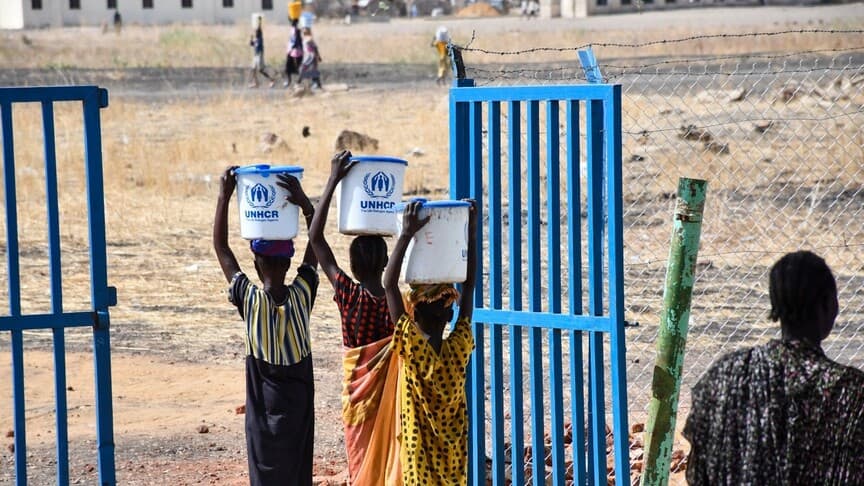
The consultations are taking place more than three years after fighting began between the Sudanese Armed Forces (SAF) and the paramilitary Rapid Support Forces (RSF) in April 2023. According to UN estimates and tracking organizations, the conflict has claimed the lives of tens of thousands of people and displaced around 13 million. Worsening hunger and humanitarian conditions have made Sudan one of the world's worst humanitarian crises.
Purpose of the mechanism and absence of Sudanese parties
The mechanism was created to coordinate international and regional initiatives to end the conflict, not for direct negotiations between the warring parties. At a UN briefing in Geneva, Naila Hajjar, a political affairs officer and special assistant to the Personal Envoy of the UN Secretary-General for Sudan, said the meeting would allow participants to assess existing initiatives and find ways to mutually reinforce efforts. Regional consequences of the war will also be discussed, in particular its spillover into neighboring countries. Sudanese representatives were not invited because the mechanism is intended specifically for mediators; the UN, according to Hajjar, remains in contact with the Sudanese authorities and other parties, who will be informed about the meeting and briefed afterwards.
Outcomes of the five previous rounds
The consultative process began in Cairo in June 2024, followed by meetings in Djibouti (July), Nouakchott (December 2024), Brussels (June 2025) and again in Cairo (January 2026). In Nouakchott, participants adopted the terms of reference of a technical working group to improve information exchange between mediators; it was expected to begin work under UN auspices in January 2025 and to meet once or twice a month in Addis Ababa or New York. Participants also called for an immediate ceasefire, protection of civilians and fulfillment of commitments under the Jeddah Declaration of May 2023. In Brussels, de-escalation, humanitarian access and civilian dialogue were discussed; the EU noted in a statement the participants' unity on the urgency of collective action for a ceasefire and a return to civilian transition. The fifth meeting, chaired by Egyptian Foreign Minister Badr Abdelatty, addressed ending the 'bloody' fighting and a political settlement. However, as Anadolu notes, it has not been documented whether the technical group's work influenced negotiations, and none of the five rounds produced a lasting ceasefire or a comprehensive political settlement.
Geneva's place in diplomacy and possible outcomes
The meeting follows renewed international efforts: in September, participants of a ministerial meeting in New York, convened by the African Union, the EU, France, Germany, the UK and the US, called on Sudan's warring parties to resume ceasefire talks and supported the efforts of the 'Quintet' (UN, African Union, EU, IGAD and the League of Arab States) to facilitate an inclusive Sudanese political dialogue. Switzerland is meanwhile developing a separate track — the 'Nyon Process', an informal platform for building trust between Sudanese political forces; Swiss Foreign Ministry spokesperson Paola Cerchietti told Anadolu that the initiative is intended to support official peace efforts. The US, Saudi Arabia, Egypt and the UAE (the 'Quad') are taking part in Geneva, as well as China, Russia, the UK, France, Turkey, Qatar and a number of Sudan's neighbors; from organizations — the UN, African Union, EU, IGAD and the League of Arab States. The UN is seeking a joint statement confirming common commitments and possibly defining practical points for future diplomacy; Hajjar noted that the exact outcome depends on the discussions. Cerchietti called Sudan a 'priority' of Swiss peace policy and said Switzerland expects participants to show willingness to cooperate in order to find common ways to end the conflict in a country experiencing 'the worst humanitarian crisis on the planet'. The key question is whether the sixth round can translate diplomatic commitments into practical steps to reduce violence, improve humanitarian access and achieve a political settlement.