The key facts
- New rules: 5 minutes to decide, 10 minutes to exit, fines cancelled for breakdowns and mistakes, maximum £20 on appeal, fine limit frozen at £100
- A record 17 million private fines in 2025/2026 — a 17% increase; drivers' potential daily payments could exceed £4.6 million
- Operators failing to comply with the code risk losing access to DVLA data; the code will cover England, Scotland and Wales
New rules for private parking
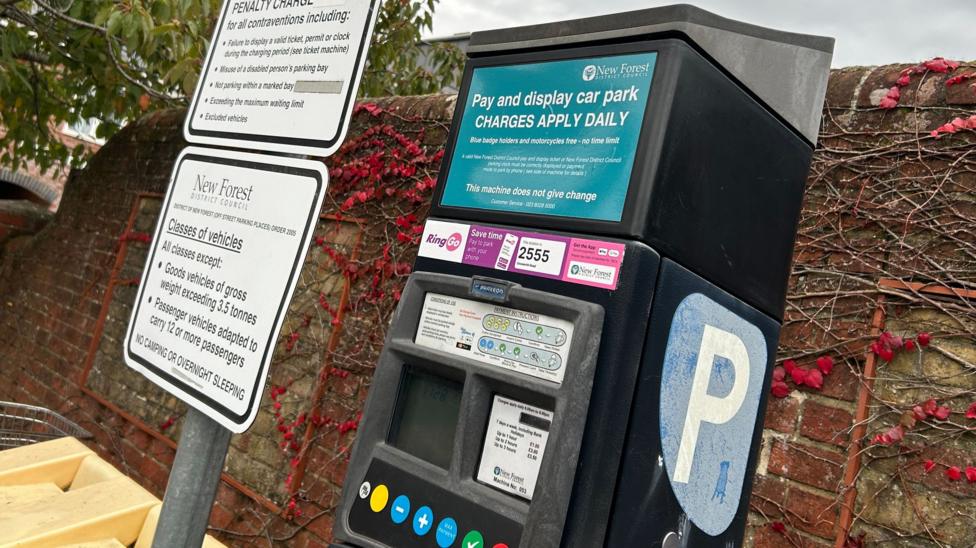
The UK government led by Andy Burnham (referred to as prime minister in the BBC report) has announced new rules for private parking, giving drivers the right to challenge 'rip-off' fines and more leniency when using private operators. The changes followed repeated complaints that fines from private companies were too harsh. Burnham said: 'Being a few minutes late back to your car, or one wrong digit in a number plate, should not end with a large fine in your letterbox. These fines make people feel ripped off, so I am ending this.'
What the changes provide
Drivers will receive a guaranteed five-minute period to decide on parking and a ten-minute window to exit without a fine. Fines will be cancelled in circumstances beyond the driver's control — for example, a vehicle breakdown in the car park — as well as for honest mistakes (stopping to check a route), medical emergencies and faulty ticket machines. On appeal, the maximum fine for slips such as a forgotten permit or an incorrectly entered number will be £20. The upper limit of the fine is frozen at £100 — as in the existing private code of practice. Operators that fail to comply with the rules risk losing access to DVLA data, which would make it difficult to recover the fine from a vehicle owner.
Scale of the problem
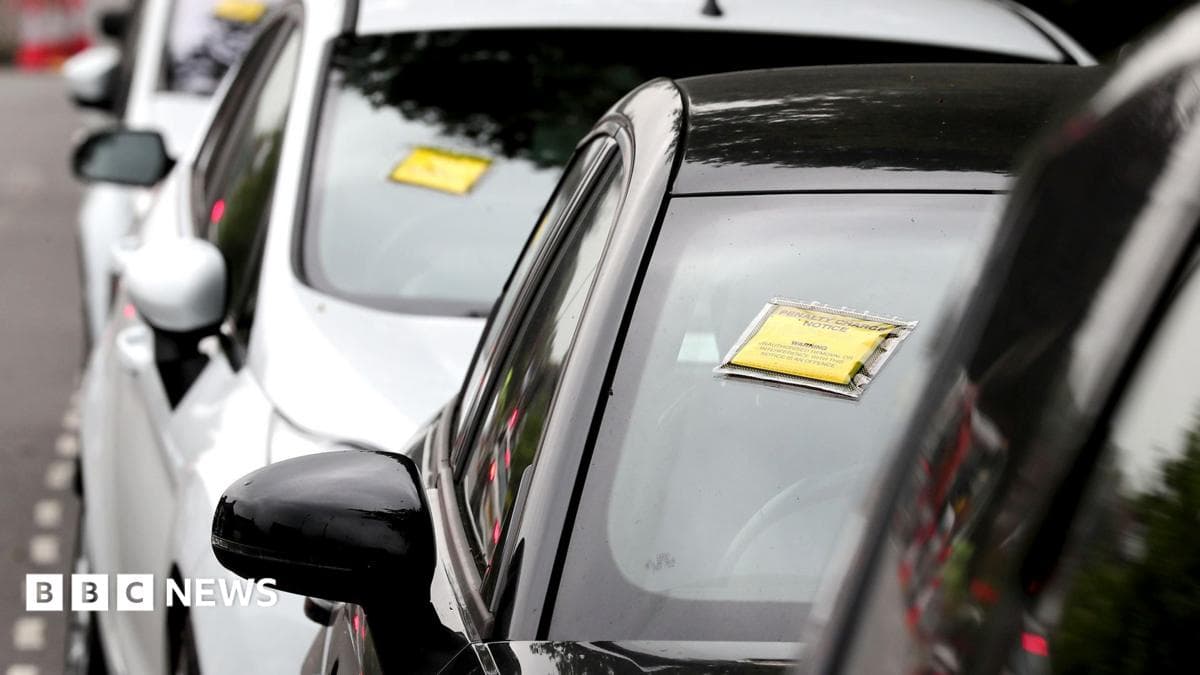
Private parking differs from municipal parking. According to an RAC analysis of government data, a record 17 million private parking fines were issued in 2025/2026 — 17% more than the year before. Data analysed by Press Association and the RAC Foundation show that, at up to £100 per fine, drivers could collectively be paying more than £4.6 million every day. The AA has noted that some drivers pay even without an offence to avoid hassle, fearing that an appeal will not provide a fair hearing, and some fear court action. In one case, a woman was taken to court over a £1,906 claim for paying for parking in Derby more than five minutes late; the fine was ultimately cancelled.
Industry reaction and next steps
The existing private industry code of practice, created by the British Parking Association and the International Parking Community, was introduced in 2024. The government will now present a formalised code to parliament. The British Parking Association told the BBC that it welcomes the changes but noted that 'many of the principles in the new framework document are already reflected in the existing voluntary code of practice.' The new code will apply in England, Scotland and Wales after drivers demanded independent oversight of the industry. Jack Cousens, head of roads policy at the AA, said drivers have 'finally got something that can offer them better protection from the worst private parking operators,' which previously 'aggressively pursued drivers to the point that many simply paid up.' However, RAC head of policy Simon Williams called the changes not the leap his organisation had fought for: he demanded a ban on debt collection charges on top of fines and the replacement of the existing industry appeal bodies with a single independent one. The government said it will consult on debt collection charges and other recommendations from the Competition and Markets Authority (CMA).
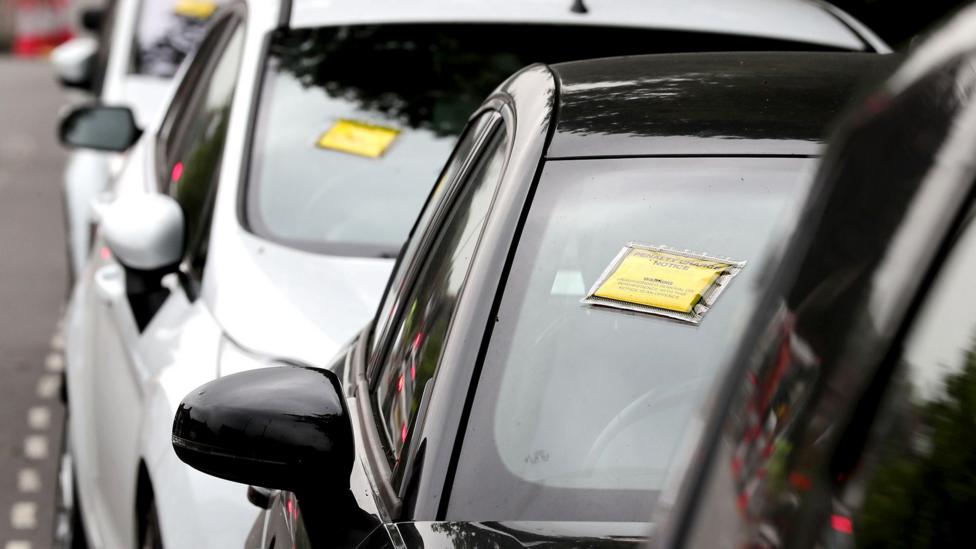 Image source, PA Media