The key facts
- The FAHR-FaceAge and FAHR-FaceSurvival tools assess biological age and survival of cancer patients from a single face photo
- The survival model was trained on images of 34,363 patients, validated on data from 4,892 patients in the Netherlands; the highest-risk group had a more than threefold risk of death
- Experts warn: this is a promising concept, but not a tool ready for the clinic
What the researchers developed
American researchers from Mass General Brigham (Massachusetts) have presented AI tools that assess a person's health status from a single face photo. According to Anadolu, the FAHR-Face system was trained on more than 40 million face images and adapted into two tools: FAHR-FaceAge, which assesses biological age, and FAHR-FaceSurvival, which directly predicts the survival of cancer patients from an image, without relying on age estimates. Preliminary results are published in the journal The Lancet Digital Health.
How the survival model works
According to the BBC, the FaceSurvival tool was trained on millions of healthy faces and 35,000 photographs of cancer patients; Anadolu specifies that the survival model was trained on images of 34,363 patients and tested on another 3,820, and the results were independently verified on data from 4,892 cancer patients from the Netherlands. Patients from the US and the Netherlands were mostly aged 50–60, but among them there were also children and people over 90; cancer varied in type and severity, including metastases to bone and brain. The most informative areas for the prognosis were the zones under the eyes and around the bridge of the nose. Patients in the highest-risk group had a more than threefold higher risk of death compared with the lowest-risk group — even after adjusting for clinical factors.
Biological age from the face
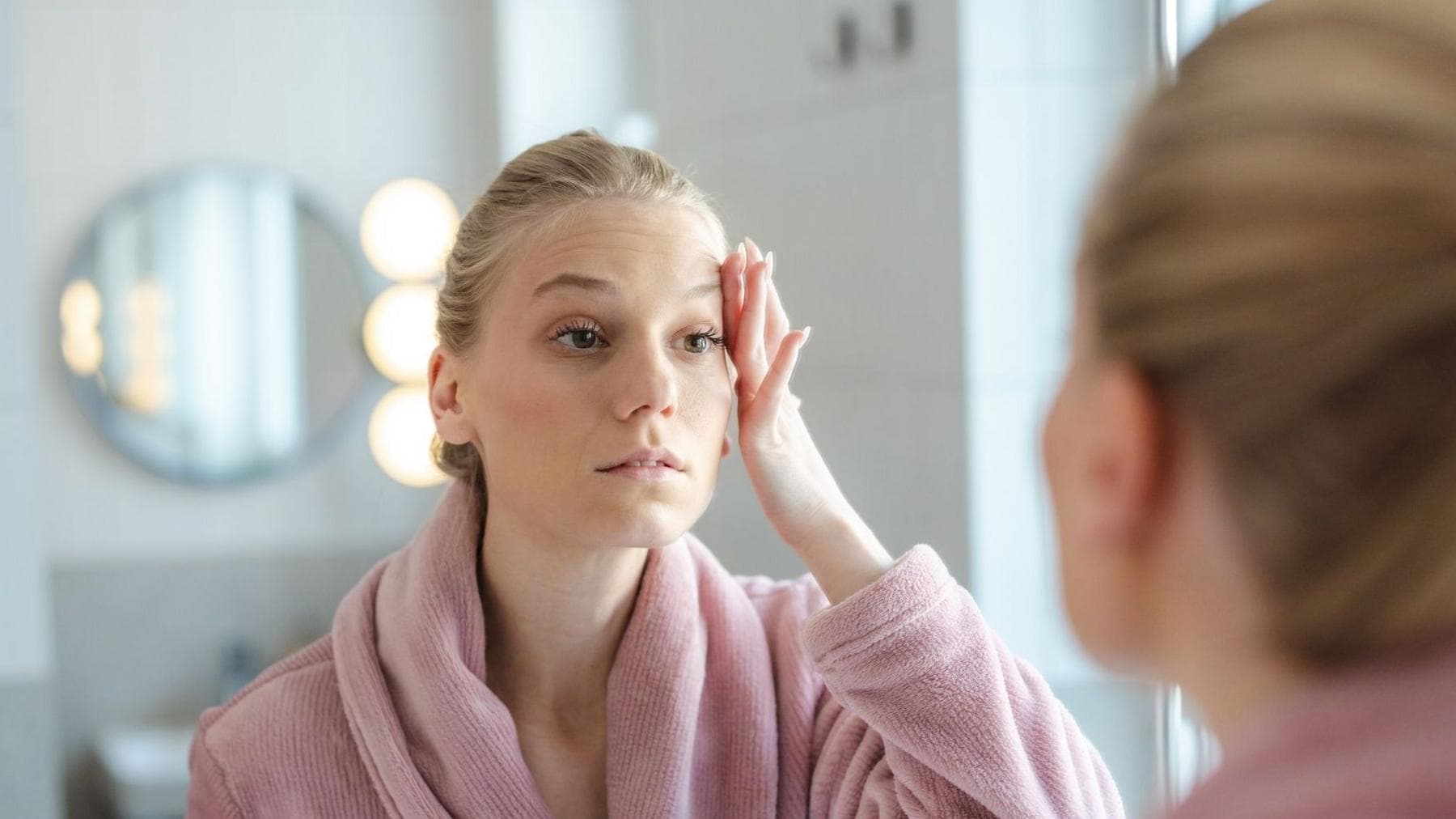
The FaceAge tool (FAHR-FaceAge) determines how much older or younger a person looks than their chronological age. According to the BBC, key indicators of aging turned out to be the skin under the nose and around the mouth (nasolabial folds and 'marionette lines'), the forehead (expression wrinkles), the temples ('crow's feet') and the cheeks. Alcohol and drug use and smoking can accelerate aging. According to the study, patients who looked at least five years older than their age had a 21% higher risk of death, while those who looked five years younger had a 17% lower risk. Combining the two models improved prediction accuracy. Study lead Dr Raymond Mak noted that the tool proved 'surprisingly stable' on ordinary photographs under different lighting, pose, facial expression and makeup, and was also robust to most plastic surgeries — only a slight shift was observed after rhinoplasty.
The goal is to help doctors, not replace them
A patent application has been filed for the tool. Dr Mak emphasized: with an aging population, doctors need better ways to assess physical reserve and frailty before prescribing intensive treatment — radiotherapy, surgery or systemic therapy. 'Our goal is to make health assessment from a face photo more quantitative, consistent and scalable, so that it supports personalized treatment decisions rather than replacing the doctor's judgment,' the BBC quotes him as saying. The team is also inviting the public to upload their photo and receive a personal biological age assessment.
Cautious expert assessments
The researchers emphasize that the tools need additional data and photographs, especially from representatives of different ethnic groups, to determine how well they work. Professor Miroslav Bober of the University of Surrey, an expert in video processing and machine learning, called claims about the tool's ability to track aging or lifestyle changes over time 'premature'. 'This is a promising proof of concept, but it is not ready for clinical use,' he told the BBC. 'The tool still needs to be tested against doctors' judgment and across different hospitals and patient groups.' He also warned: 'Predicting an outcome is not the same as explaining it.' According to Anadolu, further validation will be required before widespread clinical use.
 Image source, Getty Images
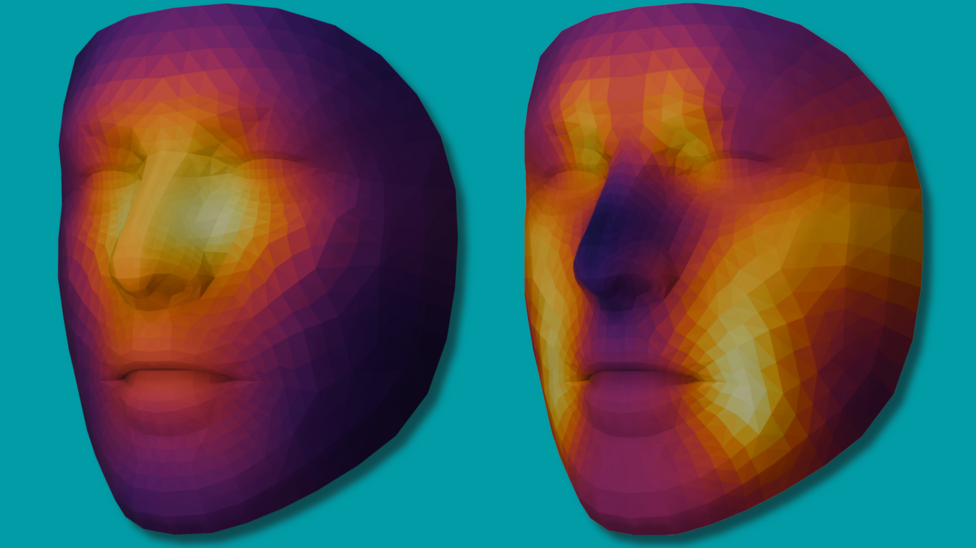 Image source, Mass General Brigham/Lancet Digital Health
The researchers developed two AI tools to estimate biological age and predict cancer survival from a single face photo. The face on the left shows features most important to cancer survival outcomes, while the right face shows those key to age. Areas shown in yellow had the greatest impact on predictions.