The key facts
- The US Congress extended AGOA until the end of 2028; the decision to exclude South Africa rests with the Trump executive branch
- The auto industry is South Africa's second most important export to the US; Naamsa estimates jobs dependent on the agreement at 86,000–125,000
- For exclusion effective January 1, the decision must be announced by November 2
Ramaphosa: preparing for the worst
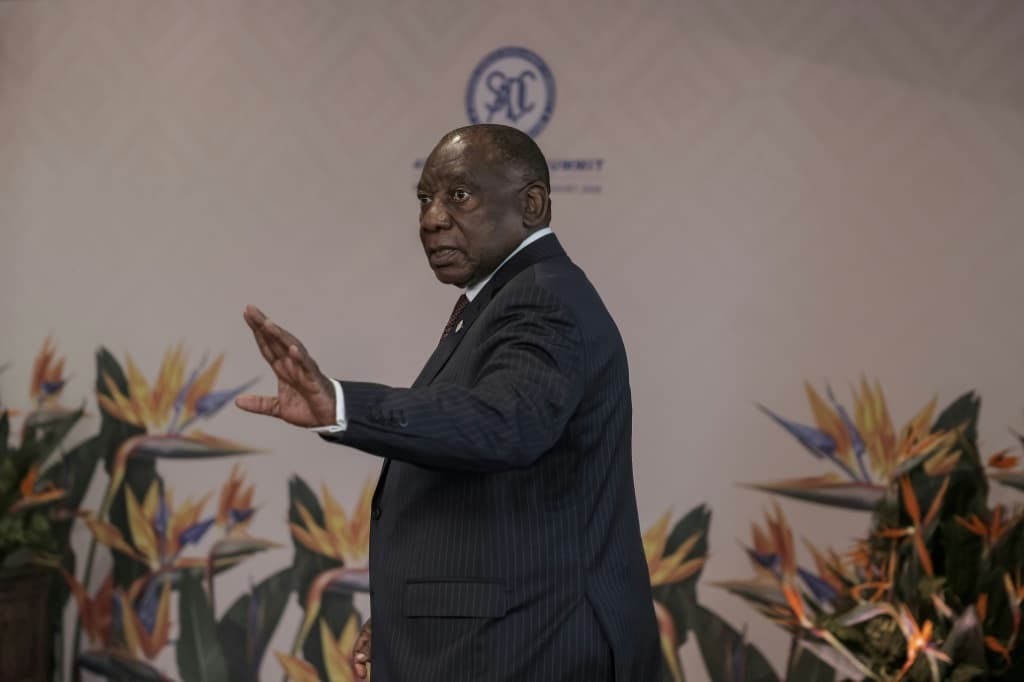
South African President Cyril Ramaphosa said on Monday that the country must 'prepare' for possible exclusion from the American AGOA program (African Growth and Opportunity Act), which grants sub-Saharan African countries preferential access to the US market. 'Congress has decided that we should remain in AGOA. Now the question remains with the executive branch,' Ramaphosa said, referring to the need for President Donald Trump's signature after congressional approval. According to him, South Africa is 'not the first and not the last country' to be excluded from the program. He acknowledged that the consequences of exclusion would be 'devastating,' but urged not to consider it 'the end of the world' and to look for alternative markets.
Context of cooling relations
Bilateral relations deteriorated after Trump came to power: Washington cut aid, recalled the South African ambassador, and publicly criticized Ramaphosa in the Oval Office over claims of a 'white genocide' disputed by Pretoria. In mid-September, the US introduced visa restrictions for South Africans 'promoting racial discrimination, inciting violence, or facilitating land confiscation without compensation.' Last year, the US launched a resettlement program for white Afrikaners; by September 30, over the year Washington had granted asylum to 16,287 South Africans — they were the only refugee status recipients during that period apart from five Afghans.
What is at stake
South Africa is the largest beneficiary of AGOA, which Congress extended until the end of 2028. Trump annually reviews countries' eligibility; exclusion requires 60 days' notice to Congress and the country, and for it to take effect on January 1, it must be announced by November 2. Under AGOA, the US exempts South African cars from tariffs; according to South African tax authorities, the auto industry is the second-largest source of export revenue to the US after precious metals. According to the automakers' association Naamsa (2025), the agreement is directly linked to 86,000 jobs at auto plants, and including subcontractors, 125,000.