The key facts
- The monthly pension bill has hit a record ~€14.5 billion; the social security deficit of 0.4% of GDP is the lowest since 2011
- The system's debt to the treasury has exceeded €136 billion; the state budget covers 20.5% of revenues
- Fedea estimates the underlying deficit at €69.783 billion (4.15% of GDP); AIReF projects debt rising to 123% of GDP by 2050
Elections and the campaign's main question
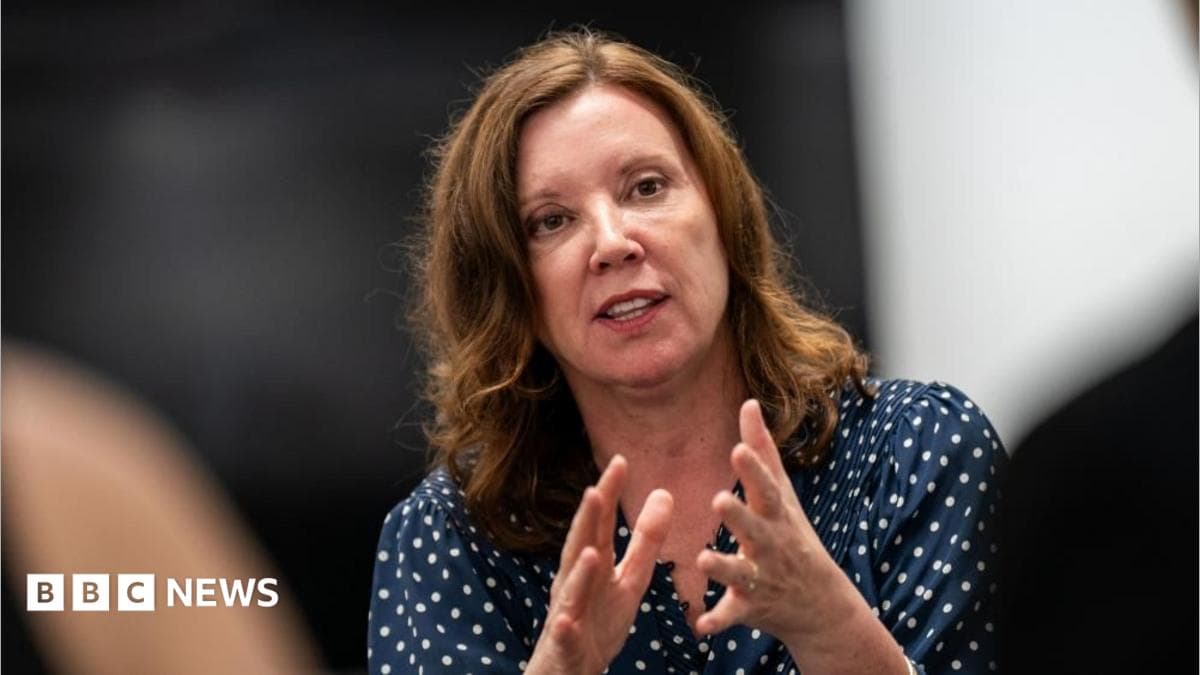
On 5 October 2026, Prime Minister Pedro Sánchez called early parliamentary elections for 29 November. Pensions have again become one of the key campaign topics. The most frequent question is whether the pension system faces bankruptcy. The Spanish system is pay-as-you-go: today's contributions pay today's pensions, there are no individual accounts, and the Constitution (Article 50) obliges the state to guarantee an adequate level of pensions and to index them regularly. Professor of quantitative and public economics Santiago Calvo explains that social security cannot go bankrupt like a company, because behind it stands the state's ability to collect taxes and borrow on markets. The risk is that rising costs are shifted onto the state. In the book 'The Elephant in the Room', written with Daniel Fernández, he describes a 'Greek-style' bankruptcy scenario: after years of covering the deficit with borrowing, a recession or a spike in interest rates leaves the country unable to finance itself at an acceptable price, and cuts are then negotiated with creditors. In Greece, he recalls, the average pension fell from ~€1,350 in 2009 to €833 a few years later.
Two estimates of the deficit
According to the Ministry of Inclusion, Social Security and Migration, in 2025 the system closed the year with a deficit of €7.387 billion — 0.4% of GDP, the lowest since 2011 (in 2024 the deficit was €9.834 billion). Contributions rose by 6.9% to €176.918 billion. In July 2026 the number of contributors exceeded 22.5 million for the first time (22,509,200), foreigners accounted for 15.6% of payers, and in June there were 2.37 workers per pensioner. However, of €232.782 billion in revenues, €47.815 billion (20.5%) are state budget transfers, 11% more than a year earlier. The research institute Fedea uses a broader scope: according to its analysis of accounts for 2005–2025, transfers to the extended system reached €61.342 billion, and without them the underlying deficit is €69.783 billion, or 4.15% of GDP. Calvo notes that both figures are 'correct but answer different questions': the official one shows the shortfall after transfers, while Fedea's estimate compares the system's own revenues and expenses — 'this is the question that matters for sustainability'. By his calculations, the contributory deficit is about €63.7 billion (~3.8% of GDP). In 2025 the accounting deficit shrank by ~€2.45 billion, but transfers grew by ~€4.86 billion, and since the state budget itself runs a deficit, the money is in fact taken from new borrowing.
Debt, the reserve fund and EU rules
Besides transfers, the state lends to social security: from December 2022 to December 2025 the debt grew by €30.001 billion and exceeded €136 billion — twice what flowed into the reserve fund over the same period. The independent fiscal authority AIReF assessed on 29 May compliance with the rule agreed with Brussels: average pension spending in 2022–2050 must not exceed 13.3% of GDP, taking into account revenue-raising measures. The actual figure is 13.0%, 0.3 points below the threshold, but gross spending was 14.6% of GDP, with 1.6 points 'shaved off' by revenue measures. Without policy changes, public debt, according to AIReF's forecast, will start rising again from 2035 and reach 123% of GDP by 2050, while transfers to the pension system will increase to 3% of GDP. The ministry's own model (INTegraSS) assumes average spending of about 14% of GDP until 2050 — the difference is explained by assumptions about employment, fertility and immigration. The reserve fund stood at €15.267 billion on 31 March 2026 — a decade high, but only slightly more than one monthly payment (€14.498 billion in September). At its peak at the end of 2011 the fund stood at €66.815 billion (6.22% of GDP). The 2023 reform introduced the MEI targeted contribution, which will rise to 1.2% of wages by 2029; the funds cannot be used before 2033.
The baby boom and pressure on the system
In September, social security paid 10.55 million pensions to 9.53 million recipients; the bill rose 6.3% year on year while the number of pensions grew only 1.6% — the difference is explained by indexation (contributory pensions +2.7%, minimum ones by more than 7%) and the replacement effect: new pensioners receive roughly €500 more per month than those leaving. The average retirement pension reached €1,576.1 (+4.5%). In 2025 a record 375,324 people retired, and in the first months of 2026 early retirements accounted for 31% of new old-age pensions. People born from the late 1950s to the mid-1970s will retire over the next 20 years. According to INE projections, the share of the population over 65 will rise from 21.1% to 30.9% by 2076 — assuming net migration of 6.3 million people by 2040. Calvo points out that the projections already assume a fall in the replacement rate from 77% to 65% by 2050 — 'under assumptions that Fedea itself considers optimistic'.
Who will pay and what Calvo proposes
The pension indexation for 2027 is estimated at around 3.5% — the highest since 2024; the final figure depends on preliminary November inflation (published on 27 November). The new parliament's first session is scheduled for 23 December, and the increase must take effect on 1 January 2027. There are few options for covering rising costs: increase revenues (the path of the 2021–2023 reforms with the MEI and the new scale for the self-employed), spend less per pension (raising the effective retirement age, changing the formula), increase transfers and borrowing, or raise the number of contributors through employment, productivity and immigration. Calvo proposes moving to a system of notional accounts with a funded component. Calculations by Devesa, Doménech and Meneu for Fedea estimate the gap with current pensions at 12–25% depending on growth assumptions. The reform would proceed by generations, as in Sweden: those born in 1970 would receive 5% of their pension under the new formula, 1971 — 10%, and the 1989 cohort — fully. He proposes building the funded component from MEI funds (nearly €5 billion in 2025). In his view, pensions will continue to be paid — 'this is the expenditure with the greatest political support in the country' — but the amount relative to wages and the retirement age remain uncertain.