The key facts
- China's GDP grew 4.5% year-on-year in Q3, beating the 4.4% forecast; growth for January–September was 4.6%
- The trade surplus for nine months was $938 billion, with passenger car exports up more than 70%
- The EU agreed to cap imports of Chinese hybrids at 350,000 per year; the IMF cut its growth forecast to 4.5%
Growth beat expectations but stayed at the lower bound of the target
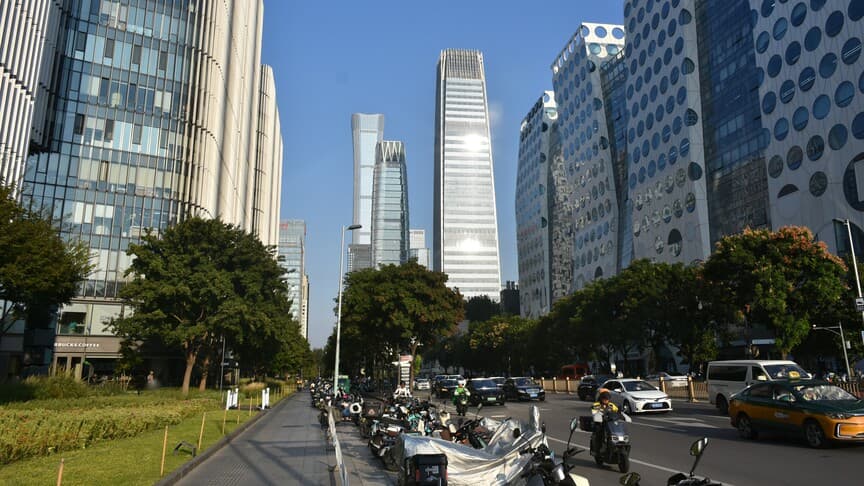
China's National Bureau of Statistics reported on Monday that GDP grew 4.5% year-on-year in July–September. That was better than the 4.4% forecast in an AFP survey of economists and an acceleration from 4.3% in Q2 — the slowest pace in more than three years. Quarter-on-quarter, growth was 1.2%. For January–September the economy grew 4.6%, with GDP reaching 10,710.71 billion yuan ($15.94 trillion). Beijing's target for 2026 is 4.5–5%, the lowest goal in decades; the quarter's result came in at the lower bound of that range. Deputy head of the statistics bureau Mao Shengyong described the international environment as 'complex and volatile' and domestic demand as 'insufficient'.
Exports are the main engine, domestic demand sags
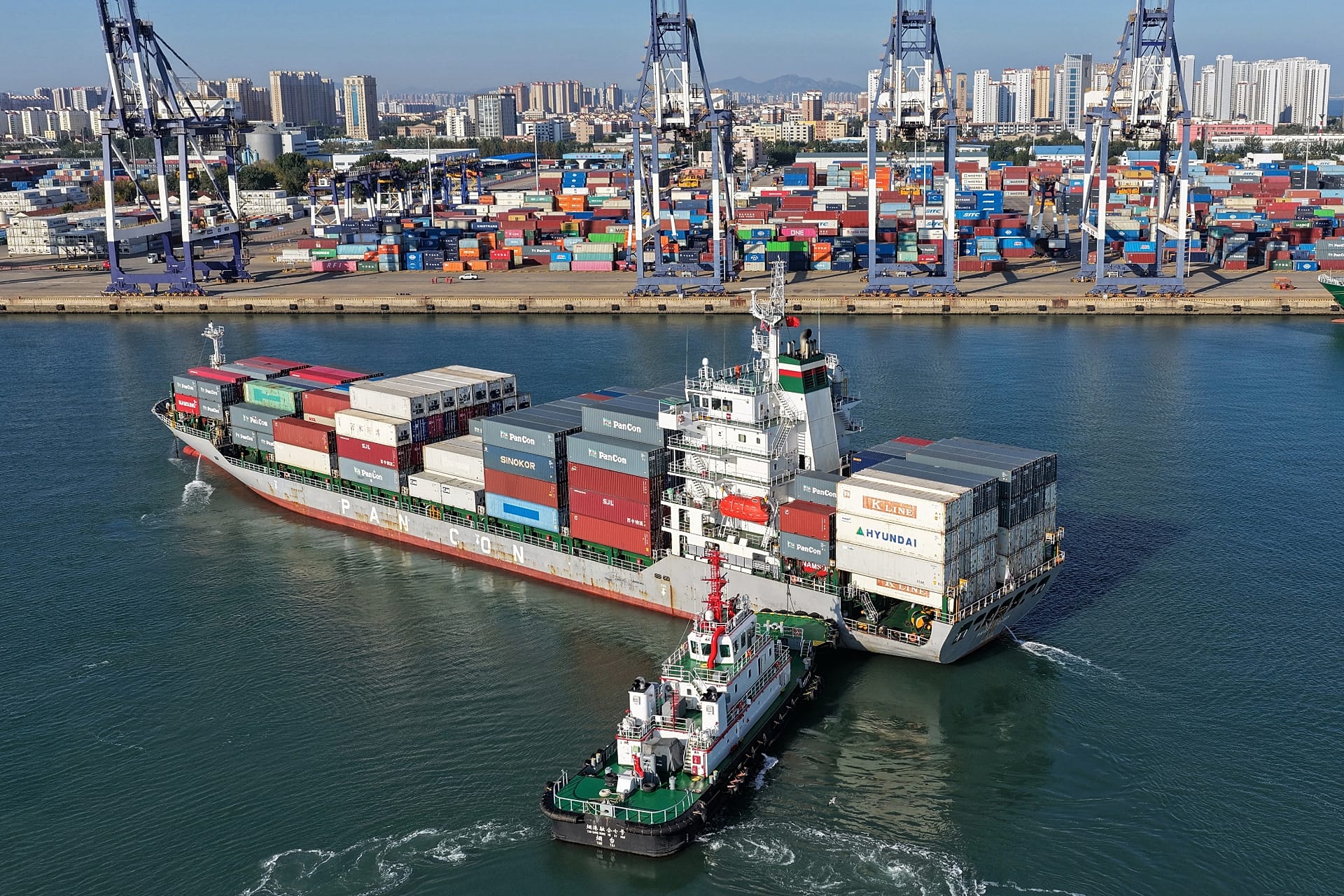
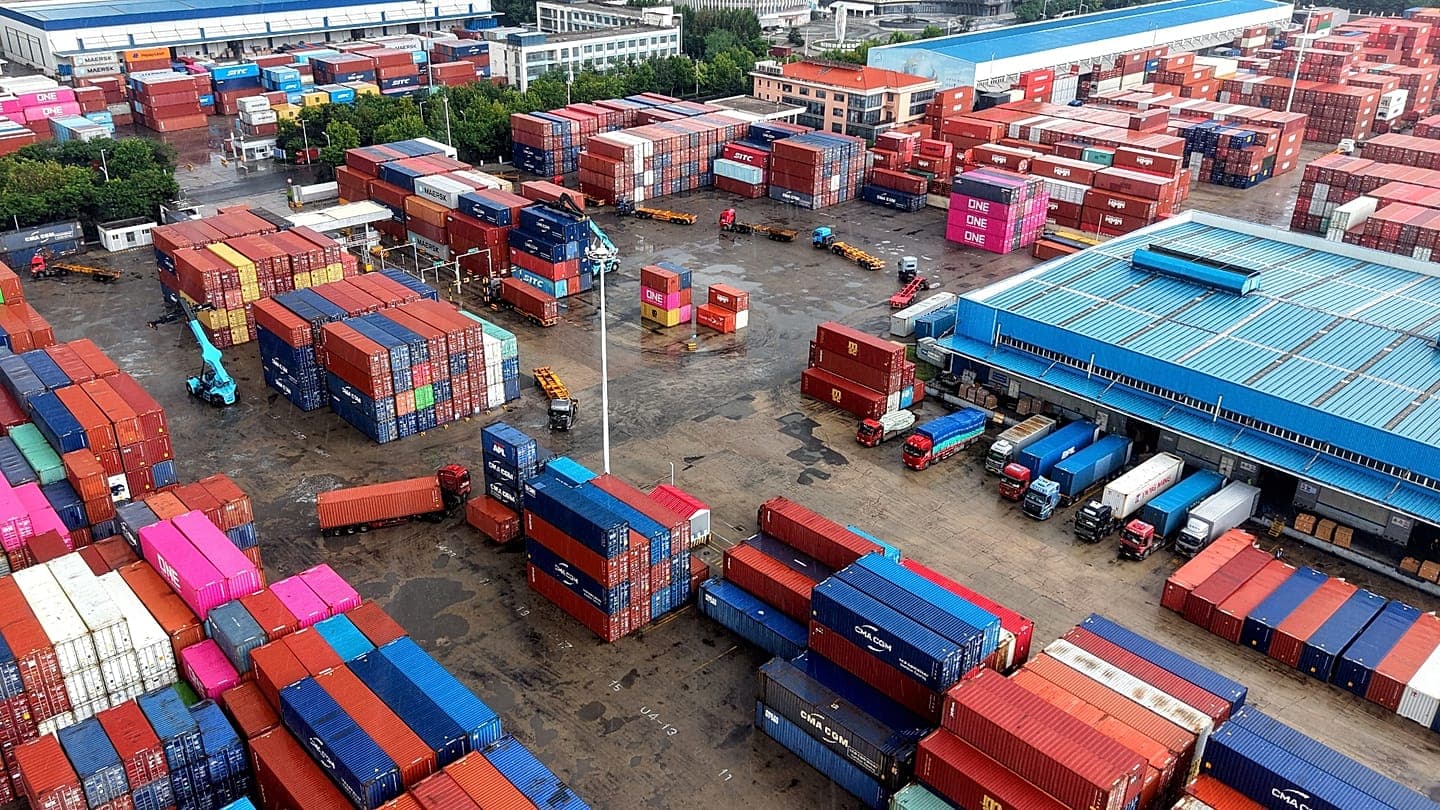
Exports remain one of the few strong points of the economy. After shipments abroad jumped 36% in September, the trade surplus for January–September reached $938 billion, and China is on course to exceed last year's record surplus of $1.2 trillion. The boom has been fueled largely by global demand for AI-related products: computers, semiconductors and data-center equipment. Higher US tariffs have weakened bilateral trade, redirecting Chinese exporters to Southeast Asia, Latin America and Europe. Domestically the picture is weaker: retail sales rose 1.1% in September — the fastest pace since March — but, according to Pinpoint Asset Management chief economist Zhang Zhiwei, adjusted for inflation real retail sales barely grew year-on-year. Industrial production rose 5.5% in September after 5.2% the month before, which Capital Economics links to strong external demand, yet investment in fixed assets fell 7.2% over nine months. The prolonged property market crisis has undermined household wealth and pushed savings up.
Energy-union pressure and limited support measures
China, the world's largest oil importer, is under pressure from high energy prices caused by the war with Iran, which has disrupted shipping from the oil-rich Persian Gulf. Last week the IMF cut its growth forecast for the Chinese economy this year to 4.5%, citing high energy prices, 'prolonged uncertainty and structural obstacles'. Krishna Srinivasan, director of the IMF's Asia and Pacific Department, said the long-awaited 'rebalancing' of the economy toward domestic consumption has yet to materialize. In late September Beijing introduced mortgage subsidies for certain home purchases and support for infrastructure investment. Guo Shan of Hutong Research noted that China risks missing its target and that authorities 'need to deploy funds faster'. In her view, only exports are delivering strong results. Zhang Zhiwei added that better GDP expectations may keep the government from making 'significant' policy shifts in Q4.
Trade friction with the EU and disputes over the yuan
Growing surpluses are straining relations with key partners, including the EU and the US. The EU records a trade deficit with China of more than $1.1 billion (€981.2 million) per day, and Chinese exports to the bloc rose 16% over nine months. Talks this month between European Trade Commissioner Maros Sefcovic and Chinese minister Wang Wentao ended with an agreement to cap EU imports of Chinese hybrid vehicles at 350,000 per year — roughly half current volumes in the coming years. Some member states are nonetheless pushing for additional restrictions. According to the China Association of Automobile Manufacturers, the country exported about 919,000 passenger cars in September and more than 7.1 million over nine months, 70% more than a year earlier. Critics argue that Beijing's massive subsidies give Chinese industries an unfair advantage in foreign markets; a number of politicians also believe the surplus is fueled by an undervalued yuan, which the People's Bank of China rejects. Central bank chief Pan Gongsheng on Friday called on deficit and surplus countries to cooperate and said China does not seek a large surplus and aims to expand domestic demand.
Experts doubt the official figure is representative
Analysts point out that the export-driven model has limited effect within the country. Ekaterina Bigos, senior market strategist at BNP Paribas Asset Management, noted that the technology- and export-oriented model creates few jobs and incomes, while the risk of job losses from AI is growing. Max Zenglein, senior economist for Asia-Pacific at The Conference Board, believes the official growth figure is becoming 'an increasingly unreliable indicator' of the economy's state and masks 'deepening imbalances between industries, regions and households'; in his view, Beijing may find it harder to cope with internal imbalances than with external pressure. Lynn Song, ING's chief economist for Greater China, noted that trade imbalances 'will be difficult to resolve quickly', although the hybrid deal may allow China to preserve sales in the long run while avoiding broad tariff increases.