The key facts
- From 10 September, Europe's first fully driverless trips operate in Zagreb — for invited users along the Verne — Franjo Tuđman Airport route (22 km)
- The service uses about 30 BAIC Arcfox Alpha T5 electric vehicles with the Pony.ai Gen-7 system (34 sensors); previously the cars drove with a safety operator at the wheel
- The next city is Manchester; Uber is running projects in London, Madrid, Munich and Zurich and is in talks about Brussels
From robotaxis with an operator to fully driverless rides
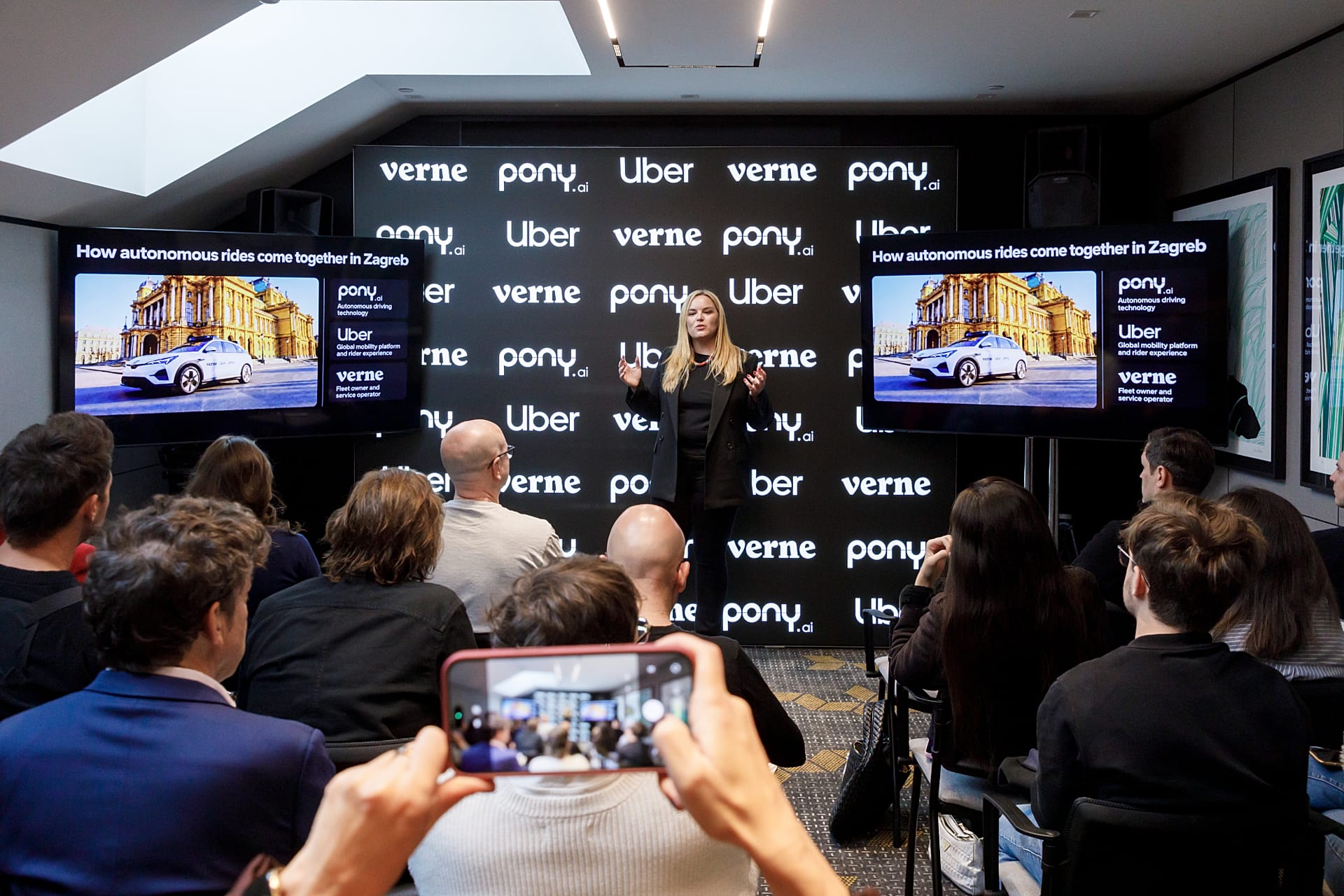
Uber launched its driverless taxi service in Zagreb in April together with local operator Verne (the startup of Rimac founder Mate Rimac) and Chinese AI company Pony.ai. The partnership was announced in March to bring driverless taxis beyond test grounds in Europe for the first time. At first, the cars — Chinese electric SUVs, the BAIC Arcfox Alpha T5 — had a safety operator (usually a former taxi driver) in the driver's seat monitoring the ride. The fleet of about 30 cars has driven 200,000 km around Zagreb; in the evenings the vehicles return to a central hub — a 'mothership' — for cleaning and maintenance. On 10 September, Europe's first fully driverless rides began: so far only for invited users on a 22-kilometre route between Verne's headquarters and Franjo Tuđman Airport.
How the service and the technology work
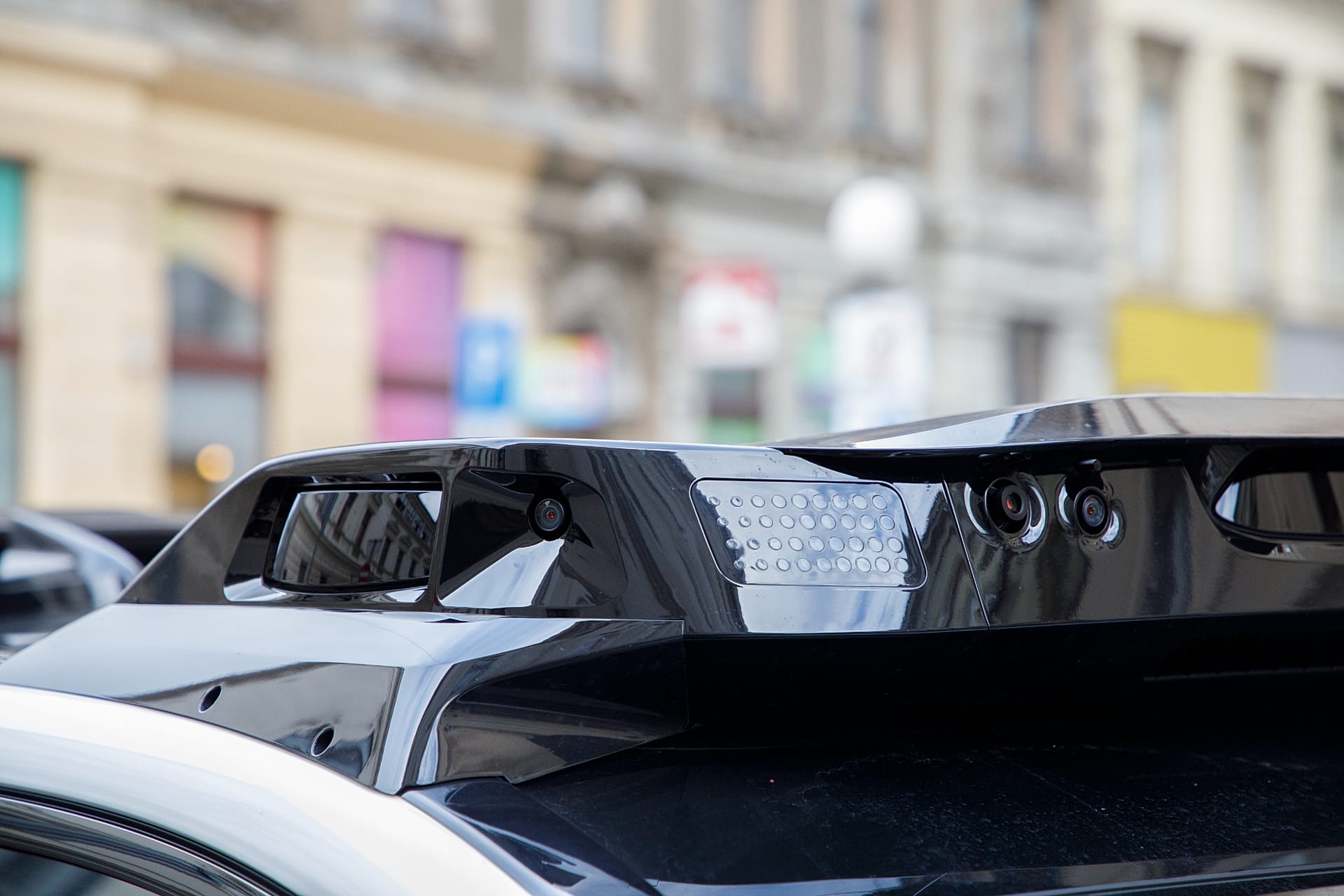
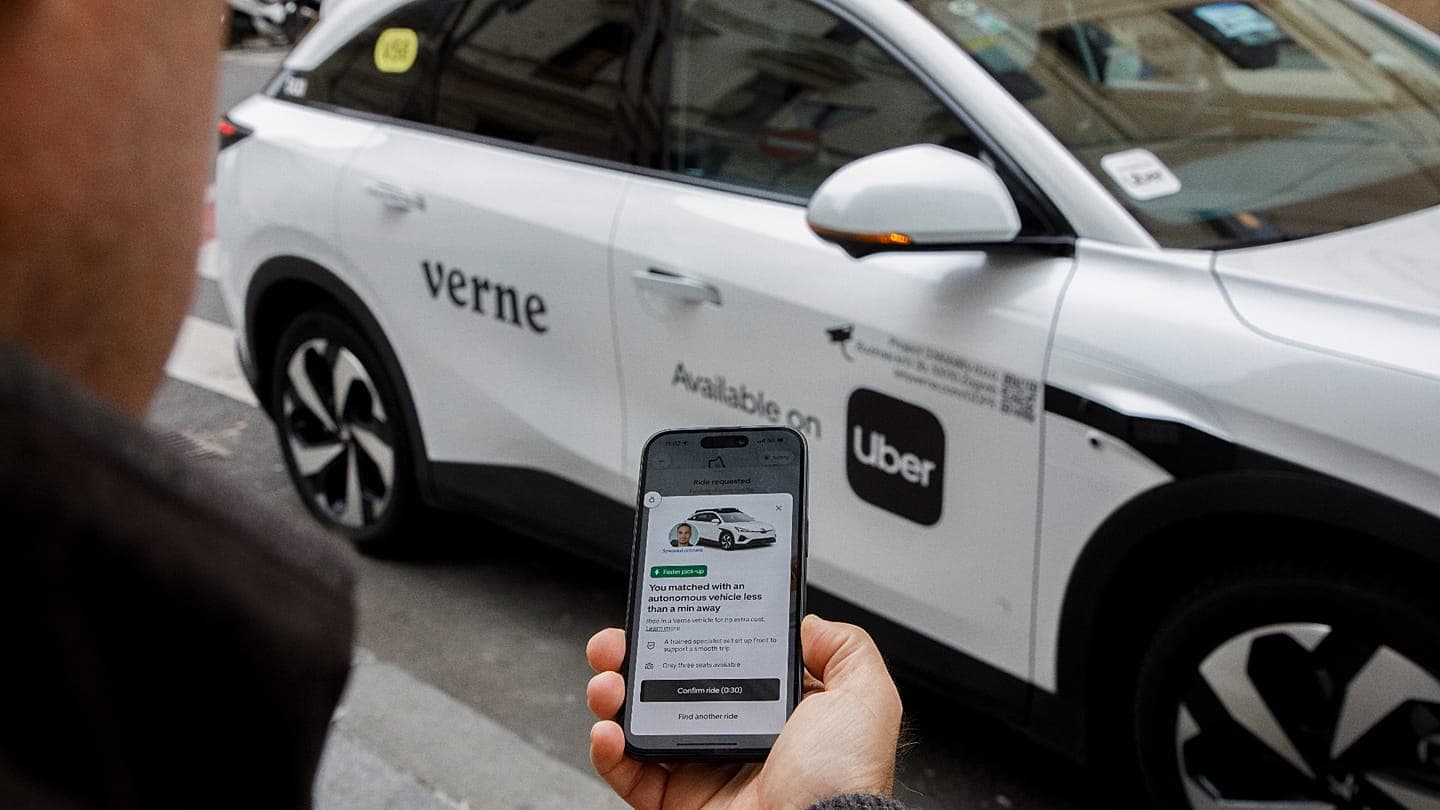
The ride is booked through Uber like a regular UberX or Comfort trip — the user chooses between a car with a driver and a robotaxi. The car is opened with a phone, and passengers have access to Uber support. This is a Level 4 autonomy programme: the car drives itself, but only in strictly limited zones; there are still no Level 5 programmes with unrestricted access to roads anywhere in the world. The cars are equipped with the Pony.ai Gen-7 system with 34 sensors: nine lidars, 14 cameras, four millimetre-wave radars, four microphones, two water sensors and a collision sensor. The vehicle is controlled by the Pony.ai Virtual Driver, which trains in a virtual environment — 'like in driving school' — and then takes control without remote supervision, explained Pony.ai's director of global communications, Dr Ludi Wang.
Impressions of the ride
Euronews journalists describe a smooth, 'methodical' ride: the steering wheel turns by itself, and after a while you forget that there is no human at the wheel. Annie Duvnjak, Uber's global head of autonomous mobility, called it 'a little magically boring'. The ride is not without its quirks: the car comes to a complete stop at every stop sign, even on an empty road, and pulls over to let aggressive drivers pass.
A unique partnership and each participant's role
The alliance of an American company, a European startup and a Chinese AI firm is unusual against the backdrop of differing approaches to technology and geopolitical tensions, but, according to Duvnjak, it works thanks to a shared goal: Verne is responsible for the fleet and operations, Pony.ai for the autonomous driving technology, and Uber for the platform and customer experience. Verne, named after Jules Verne and working on robotaxis since 2019, is also negotiating with the authorities for legal clearance for driverless operation. Verne CEO Marko Pejković called the launch an important milestone for the company and for Croatia. Regulation remains the main obstacle: Europe's fragmented legal framework lags behind the US and China, where robotaxis have been operating commercially for several years. In June 2024, Verne unveiled a concept two-seater 'business class' autonomous car with fully reclining seats; the company claims rides will not be more expensive, since the absence of a driver reduces costs.
Expansion plans
Uber announced that the next city of the partnership will be Manchester, where testing is already under way and a service modelled on Zagreb's will appear in the coming months. In total, Uber is considering more than 30 European cities; projects at various stages exist in London, Madrid, Munich and Zurich, and Pony.ai and Uber are preparing a launch in London. According to Pejković, the company is also in dialogue with Brussels, but does not launch tests where it sees no prospects for a full driverless service: 'Brussels definitely remains on the map.'