The key facts
- Demand for solar panels has grown: Enpal (+30% of inquiries), EON (+23%, then +63% in March)
- Solar Power Europe: €40 billion in gas import savings for the EU since the start of the conflict
- PLATIO operates in 13 European countries; horizontal panels generate less energy than rooftop ones
Solar energy as a response to the energy shock
Europeans are increasingly turning driveways, terraces and yards into mini solar power stations. According to Euronews, the war involving the US and Israel against Iran and the subsequent blockade of the Strait of Hormuz — a route through which about a fifth of the world's oil supply usually passes — led to a sharp rise in oil and gas prices. According to the latest analysis by the association Solar Power Europe, solar energy has allowed the EU to save €40 billion on gas imports since the start of the conflict. Nevertheless, electricity and gas bills remain high, and, in the opinion of experts, this is precisely what is pushing households to 'take control' of their own energy.
Growing demand for panels
The German company Enpal BV recorded a 30% increase in inquiries about solar panels in the first weeks of the war. In the UK, the energy company EON noted a 23% rise in interest in solar energy between 23 February and 1 March, and then another 63% from 2 to 8 March.
Solar driveways and yards
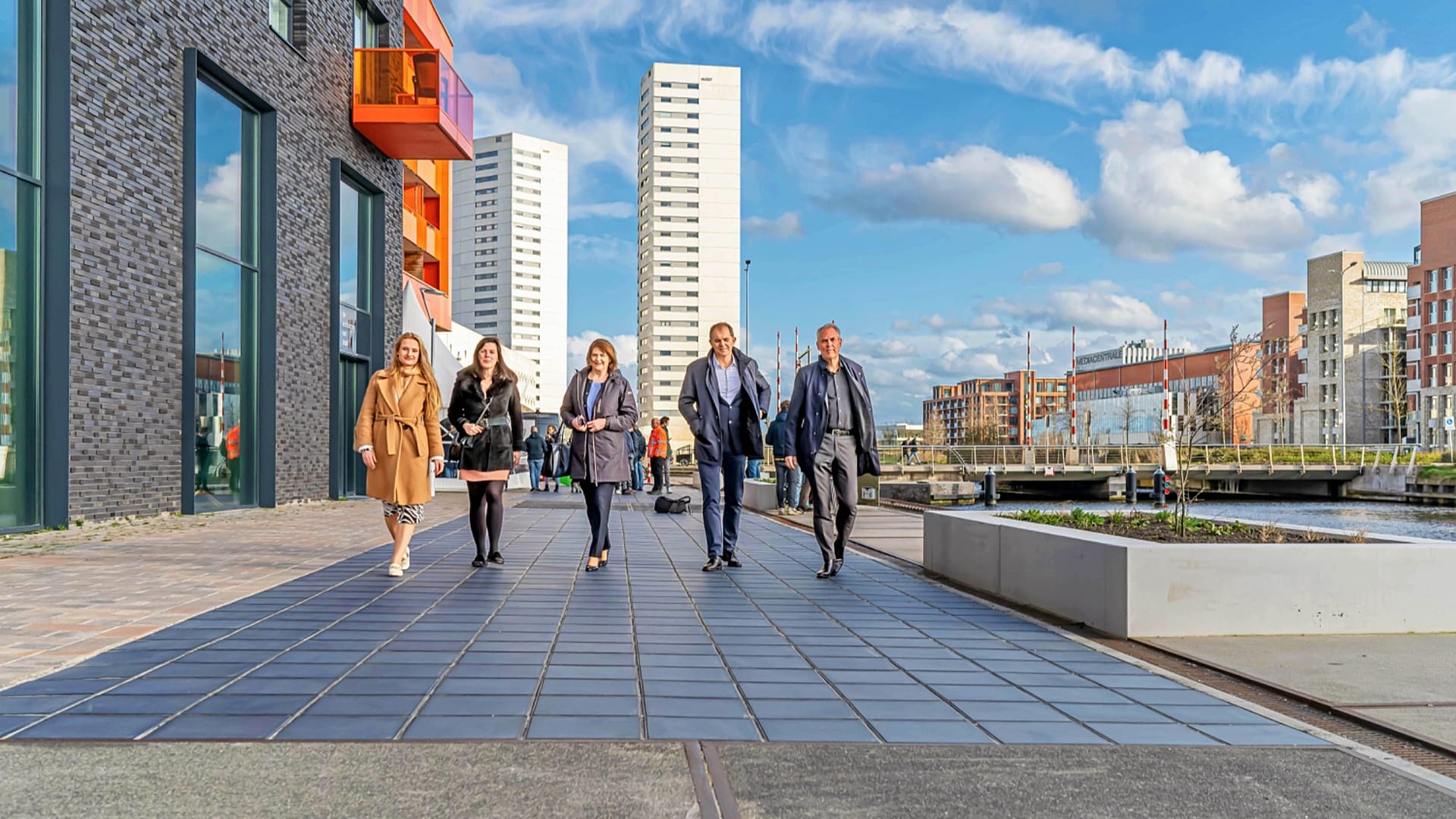
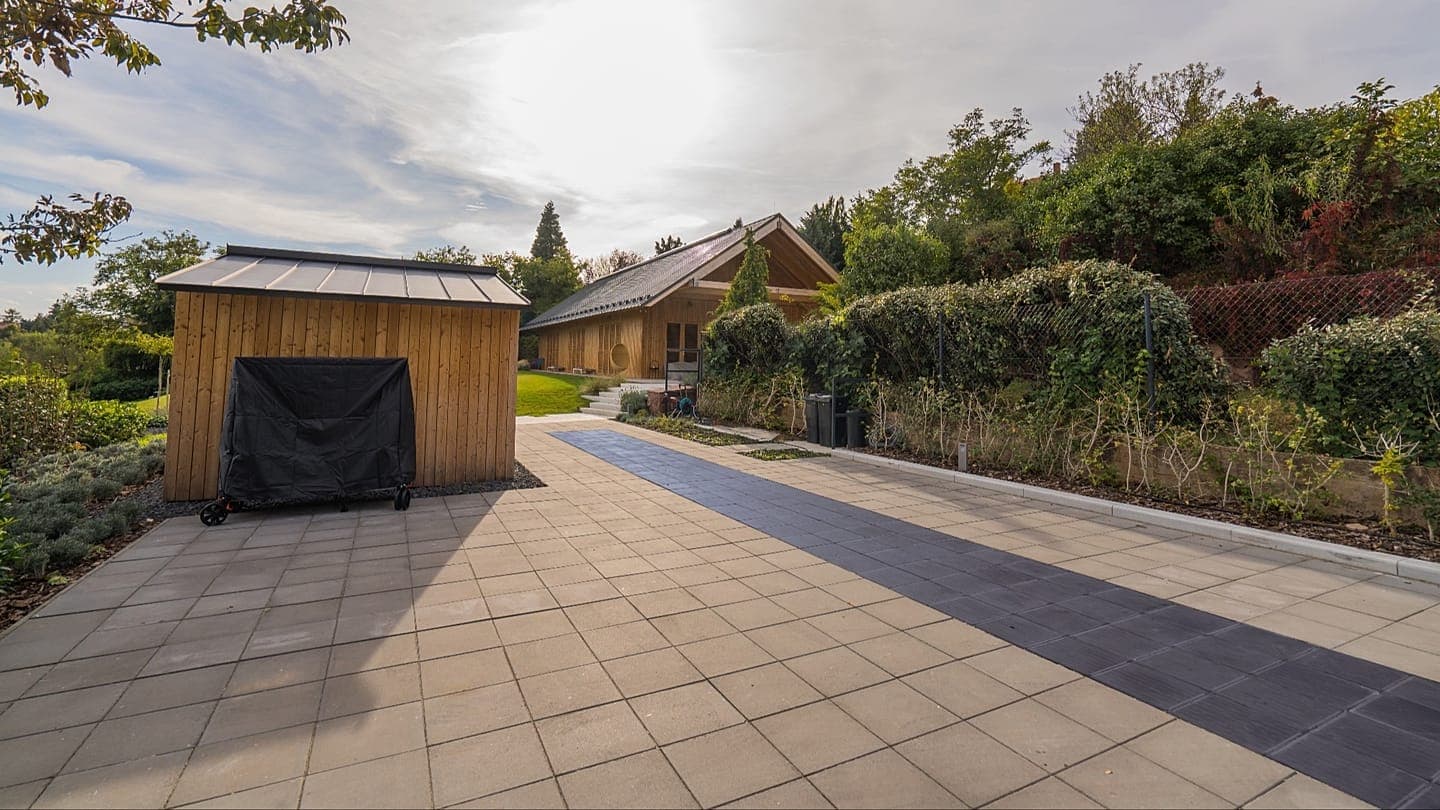
The startup PLATIO, which presented its first prototypes in 2016, sells panels specifically designed for decking and terraces and already operates in 13 European countries. The company aims to replace paving stones and asphalt in urban spaces, parks and private homes with solar surfaces. In 2018, PLATIO installed a nine-square-metre system (1.7 kWp) on the driveway of a house in Kecskemét, Hungary: its capacity is theoretically sufficient for the base load — a refrigerator, freezer, LED lighting and small kitchen appliances such as a blender or slow cooker. In 2021, the company installed solar paving in the yard of a six-apartment building near Frankfurt: the 6.64 kWp system, at maximum generation, more than covers the annual needs of a typical three-bedroom house. The British company SolarPave also specialises in such solutions; its website features three completed projects in the Yorkshire region, including a residential solar driveway and a balcony floor.
How it works and what the limitations are
PLATIO uses tempered anti-slip glass to protect the panels: people can walk on them and even park a car. Cleaning the panels helps maximise output, but according to the company, losses from dust are only about 3% depending on the installation. Panels laid horizontally on the ground generate less electricity than tilted rooftop ones: for most of the day they do not catch direct sunlight, and dirt reduces their efficiency. Nevertheless, depending on the location, they can generate enough energy to reduce bills, although the exact payback period is difficult to name.
'Every solar surface' put to work
'People choose solar energy because it gives them back control. After years of unstable bills, households in Europe and around the world want to take energy into their own hands, and the sun is one of the most accessible ways to do that,' Sonia Dunlop, head of the Global Solar Council, told Euronews Earth. Traditional rooftop panels remain the backbone of home solar generation, but they are not suitable for everyone: heavily shaded roofs produce little energy and lengthen the payback period, and roofs made of materials such as thatch are completely unsuitable. 'As prices fall and designs become more versatile, driveways, terraces, fences and parking lots are becoming part of the picture. Every solar surface we put to work brings Europe closer to an energy system that is cheaper, safer and owned by the people it serves,' Dunlop added.