The key facts
- Macan Turbo EV: 630 hp, 100 kWh battery, 19–80% charge in 20 minutes at a 350-kW station, about 285 miles of highway range
- Priced from $112,700; the test car with options came to $149,610
- The author praises the performance and handling, criticizes the navigation and questionable options
Sporting character in a crossover
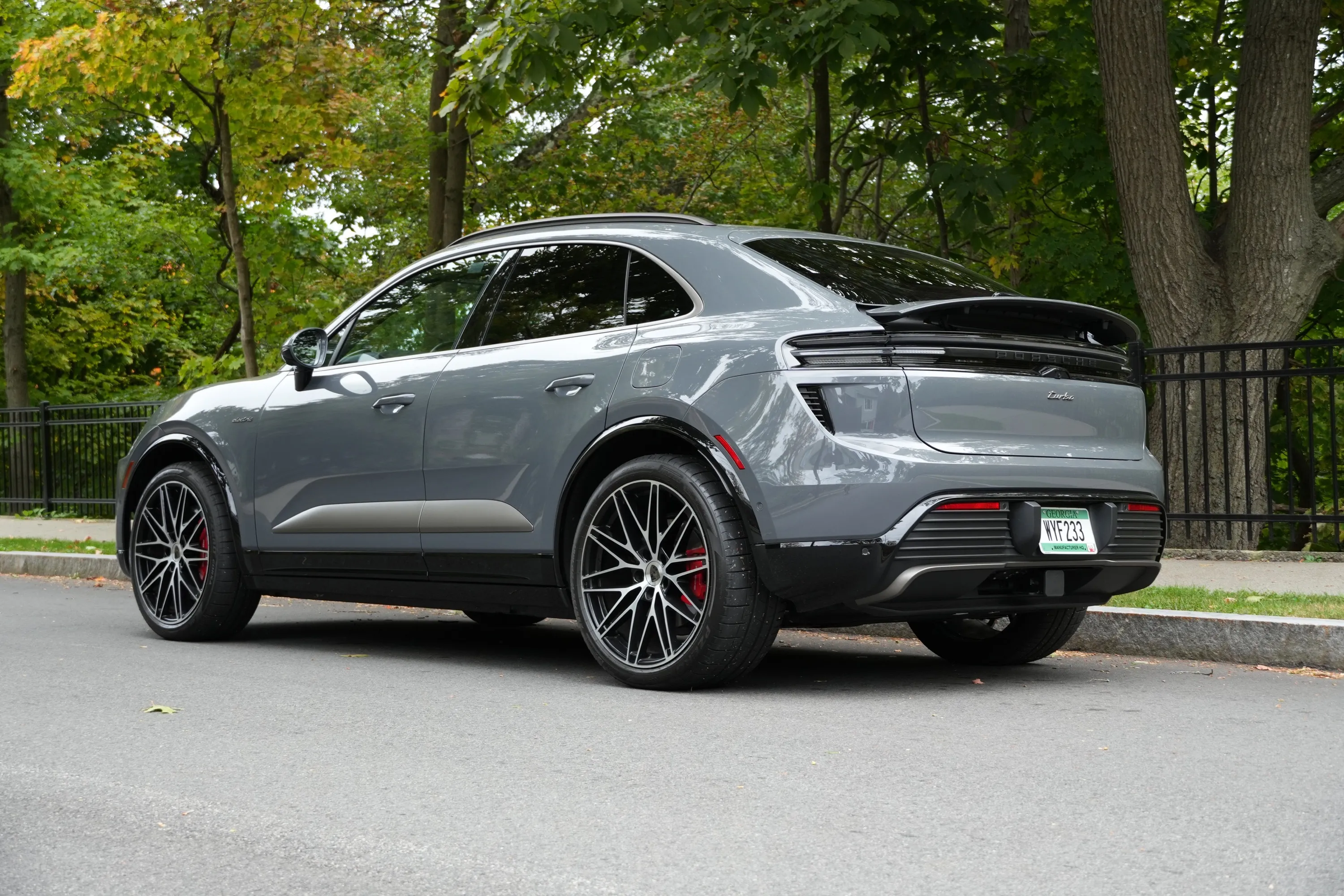
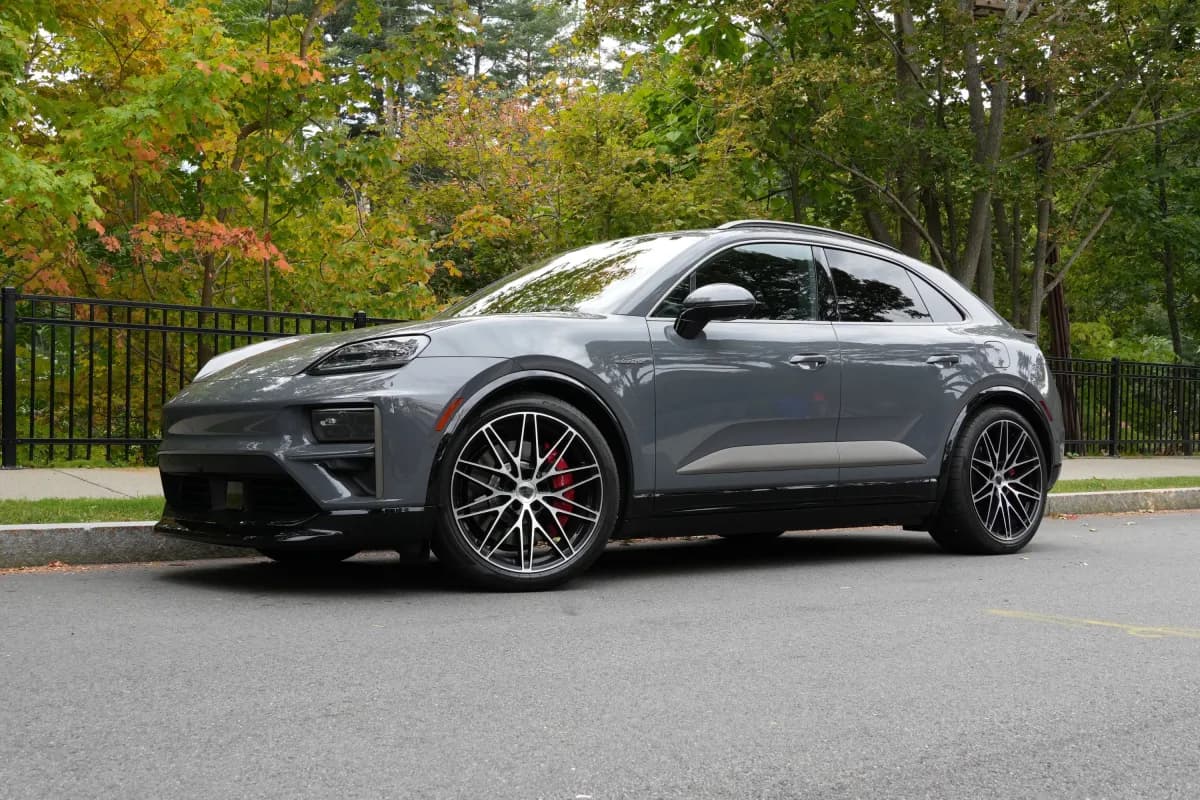
TechCrunch reviewer Tim De Chant spent a week testing the electric Porsche Macan Turbo and calls it an 'automotive existential crisis': externally the car didn't attract attention on the roads, but in terms of performance, in his words, it remains sporting in spirit. The author describes the acceleration as 'hard to breathe,' and the kids he drove to soccer rated the acceleration highly. On winding roads the crossover 'comes alive,' especially in Sport Plus mode with air suspension; the $2,150 rear-axle steering option helped.
Pricing and options
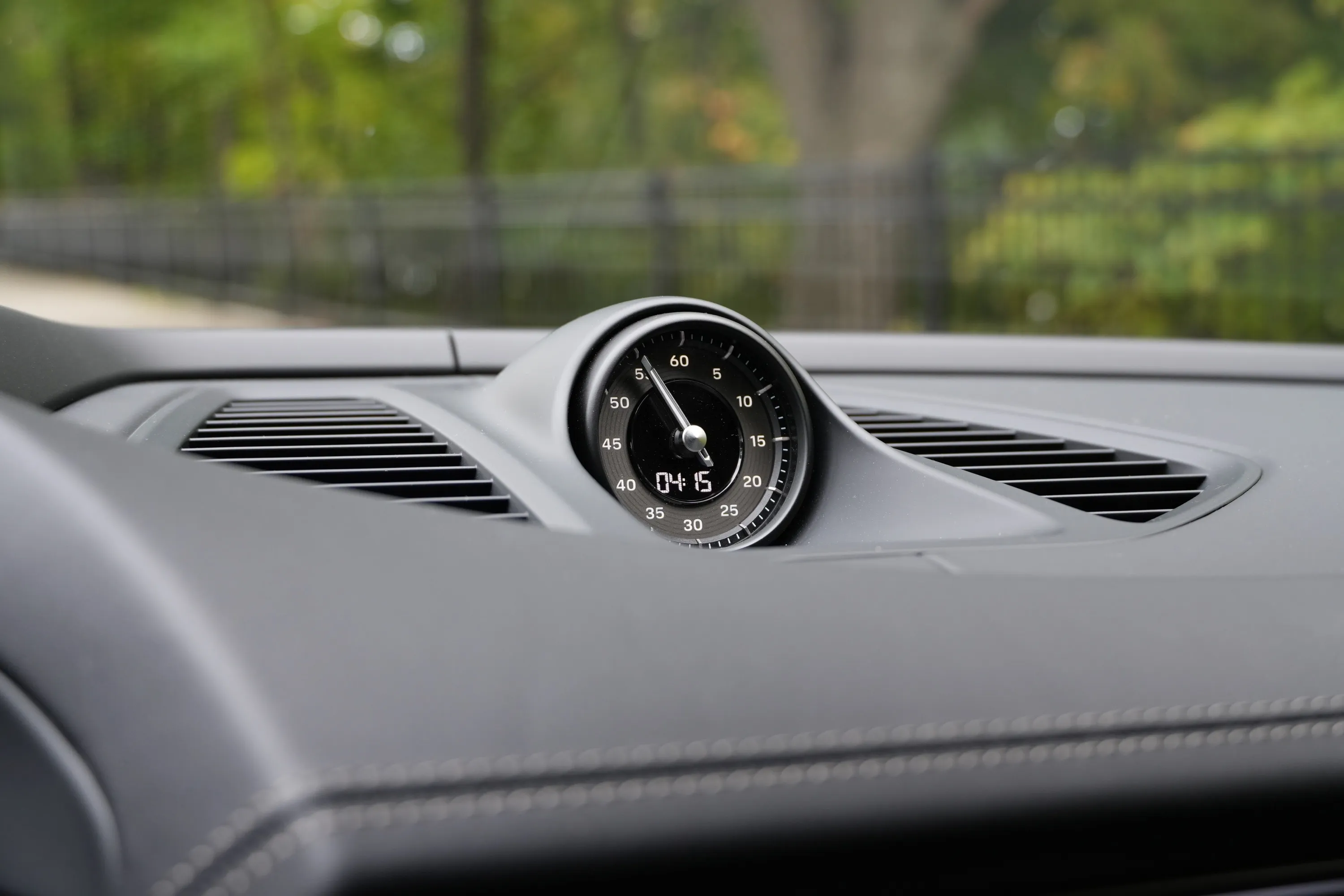
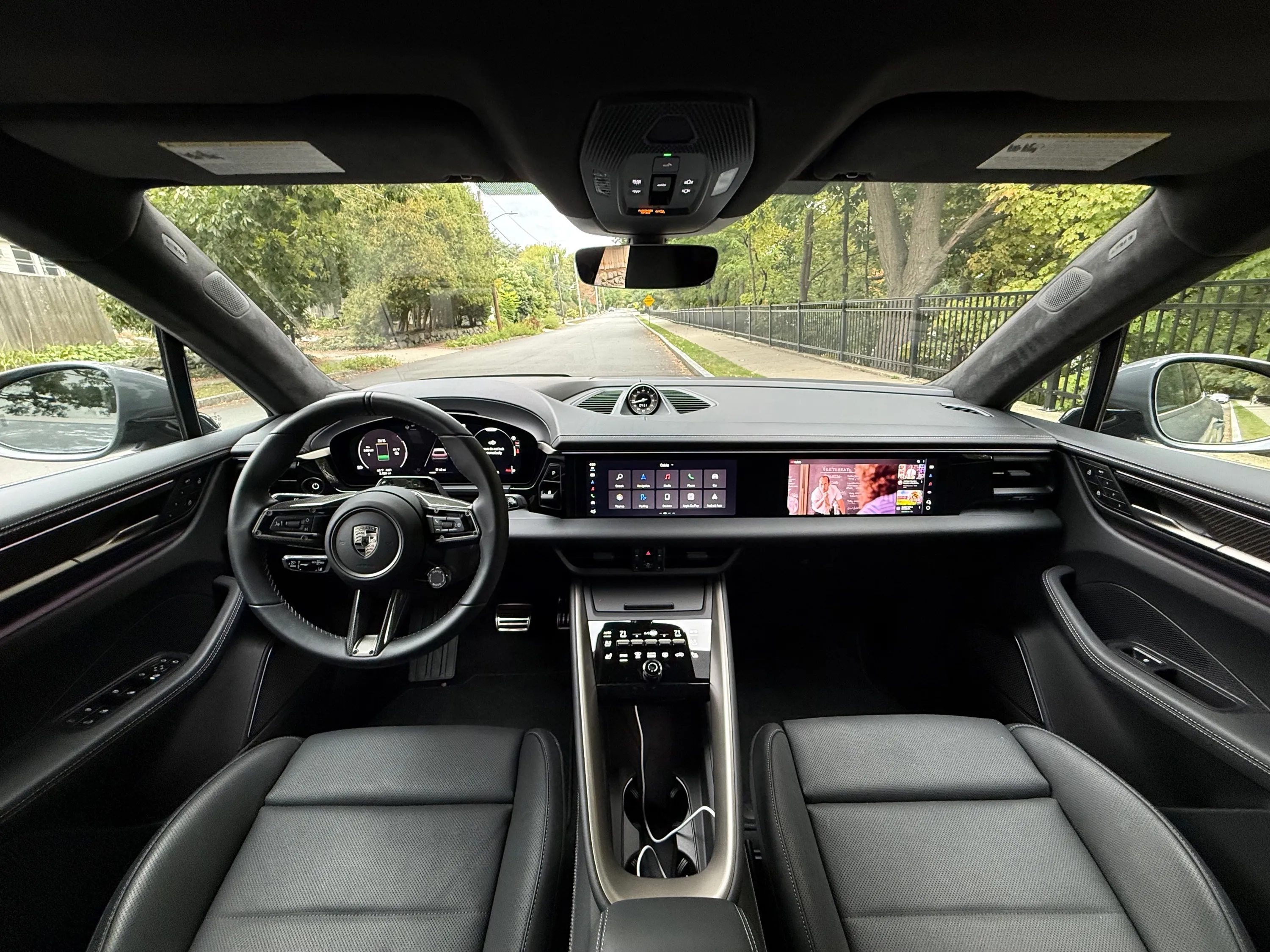
The 2027 Macan Turbo EV is a two-row crossover with 630 hp and a 100 kWh battery. Base price is $112,700; the test car came to $149,610 with delivery. The author notes that the options alone cost as much as a 'well-equipped Chevy Bolt.' Among the options: Slate Grey Neo paint ($2,620), head-up display showing g-forces ($2,660), Porsche chronograph ($1,040), Burmester audio system ($4,960), wheels ($4,110). The author advises skipping the passenger display ($1,710) — his wife, he says, remarked that 'our washing machine also plays YouTube' — and decorative touches like the illuminated logo.
The Turbo badge debate
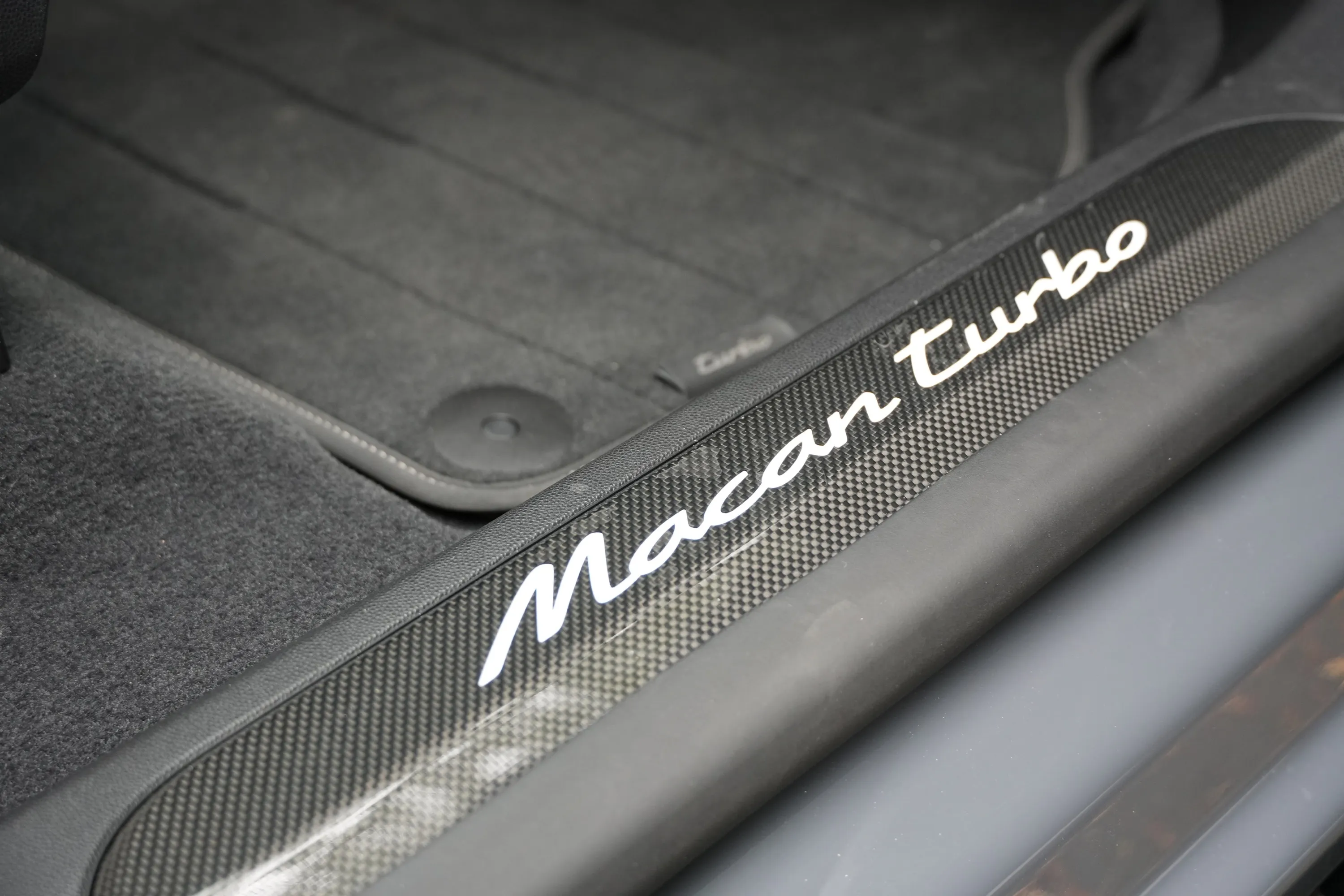
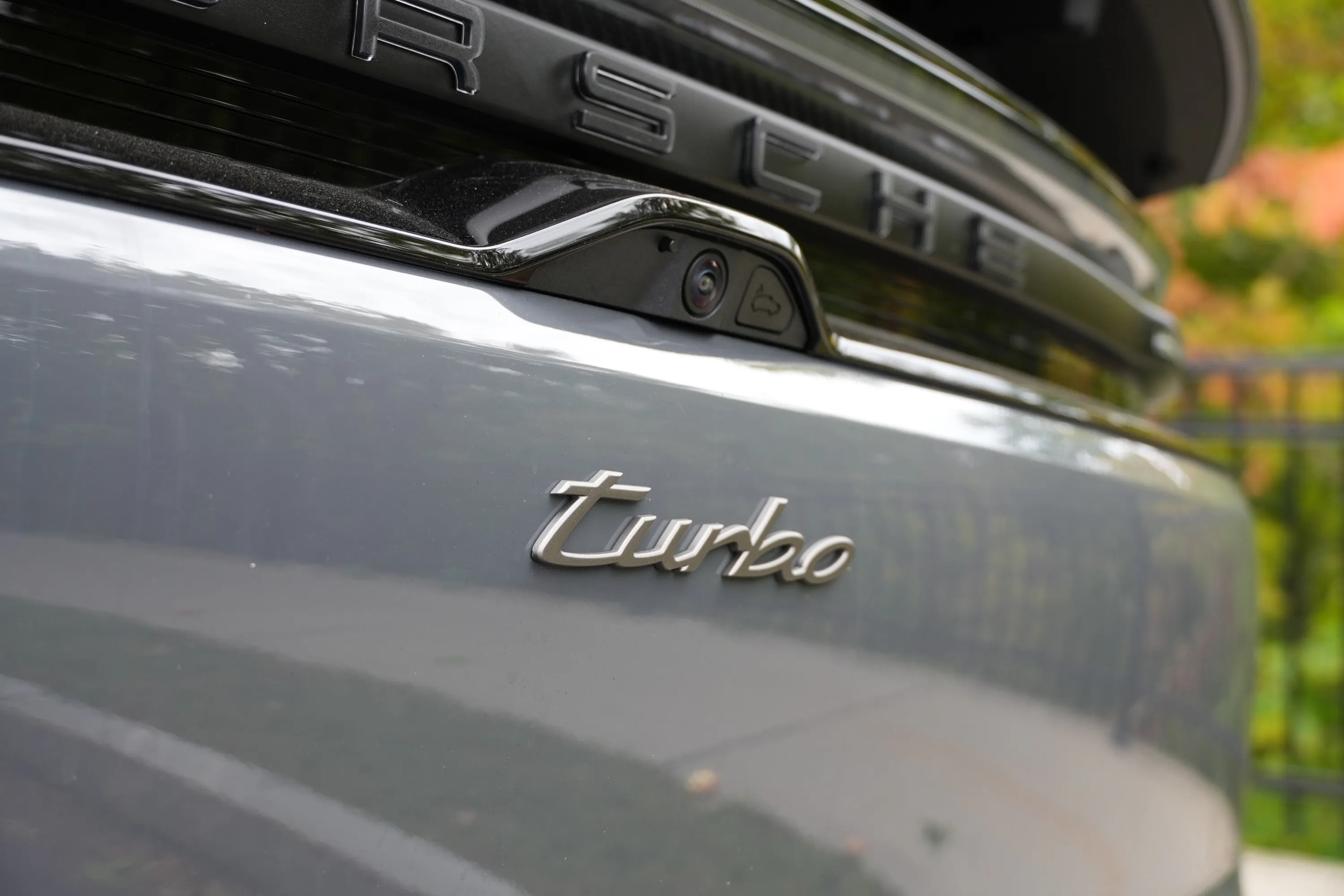
The author's friends chided him that an electric car wears the Turbo badge even though an EV has no turbine. The author counters that car names have long been detached from reality: BMW's model indices haven't reflected engine displacement for decades, and nearly every modern Porsche has a turbocharger even without the corresponding badge.
Charging and shortcomings
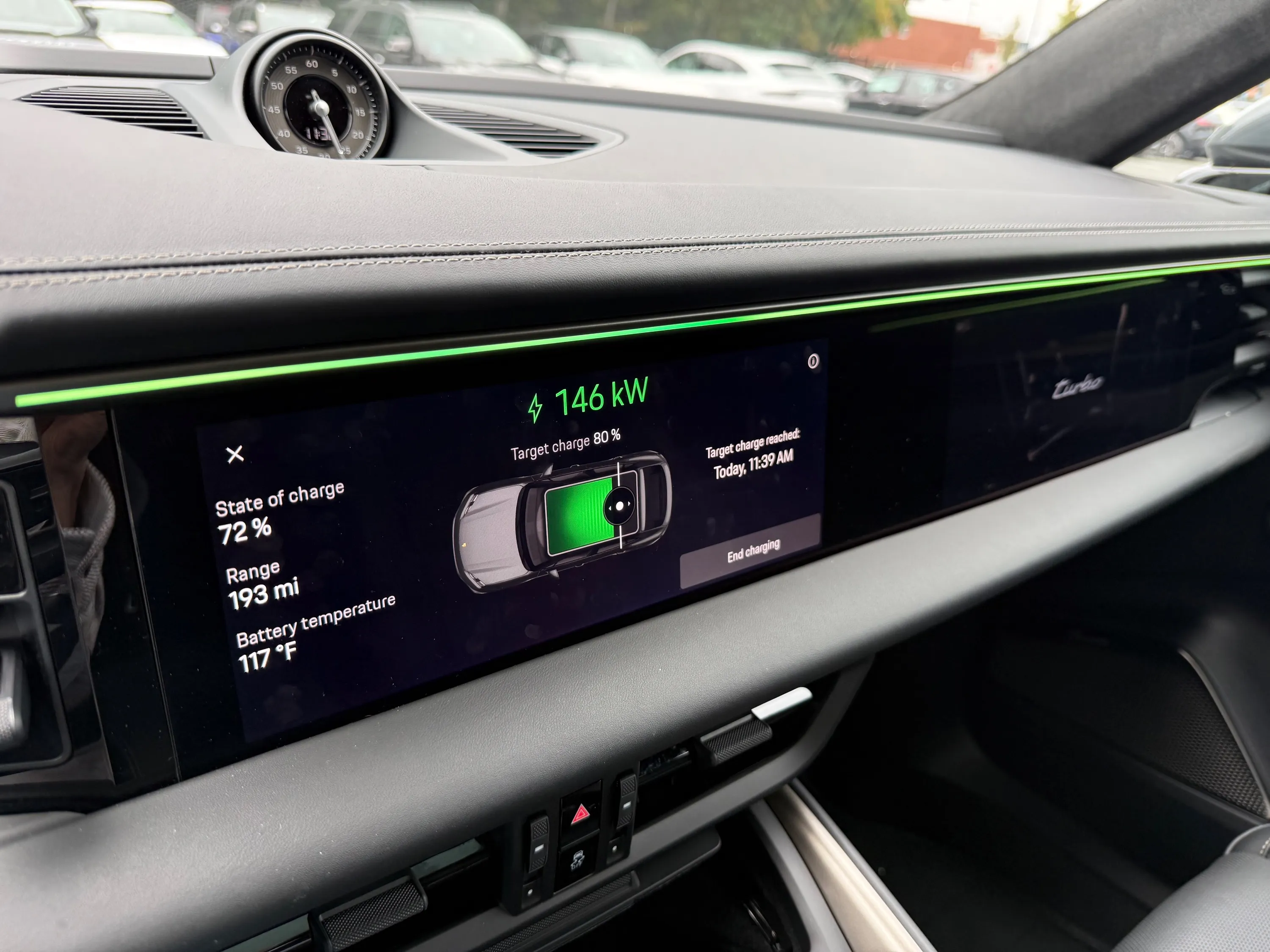
The EV charges quickly: from 19% to 80% in 20 minutes at a 350-kW station, with peak power of 245 kW out of a maximum of 270 kW. Range is about 285 miles on the highway, which was enough for a trip from New York to Boston with margin, although the big wheels and sticky tires reduced range. The main drawback is navigation: at 22% charge the system suggested a route with two consecutive charging stops — first a 50-kW one in one parking lot, then a 350-kW one across the road. The author ignored the suggestion and drove straight to the fast station, arriving with 19% charge. The driver assistance ($1,140) works 'well enough,' though it slightly 'wanders' within the lane, and the AI-based voice assistant understood commands well.
The author's conclusion
De Chant calls the Macan Turbo an answer to the question of 'what an identity crisis in the auto industry looks like,' but concludes that for those wanting to 'carve corners' for a couple of hours the car will do, and in everyday life it can be used without expensive fill-ups. For true enthusiasts, he notes, there will remain another car for the track.