The key facts
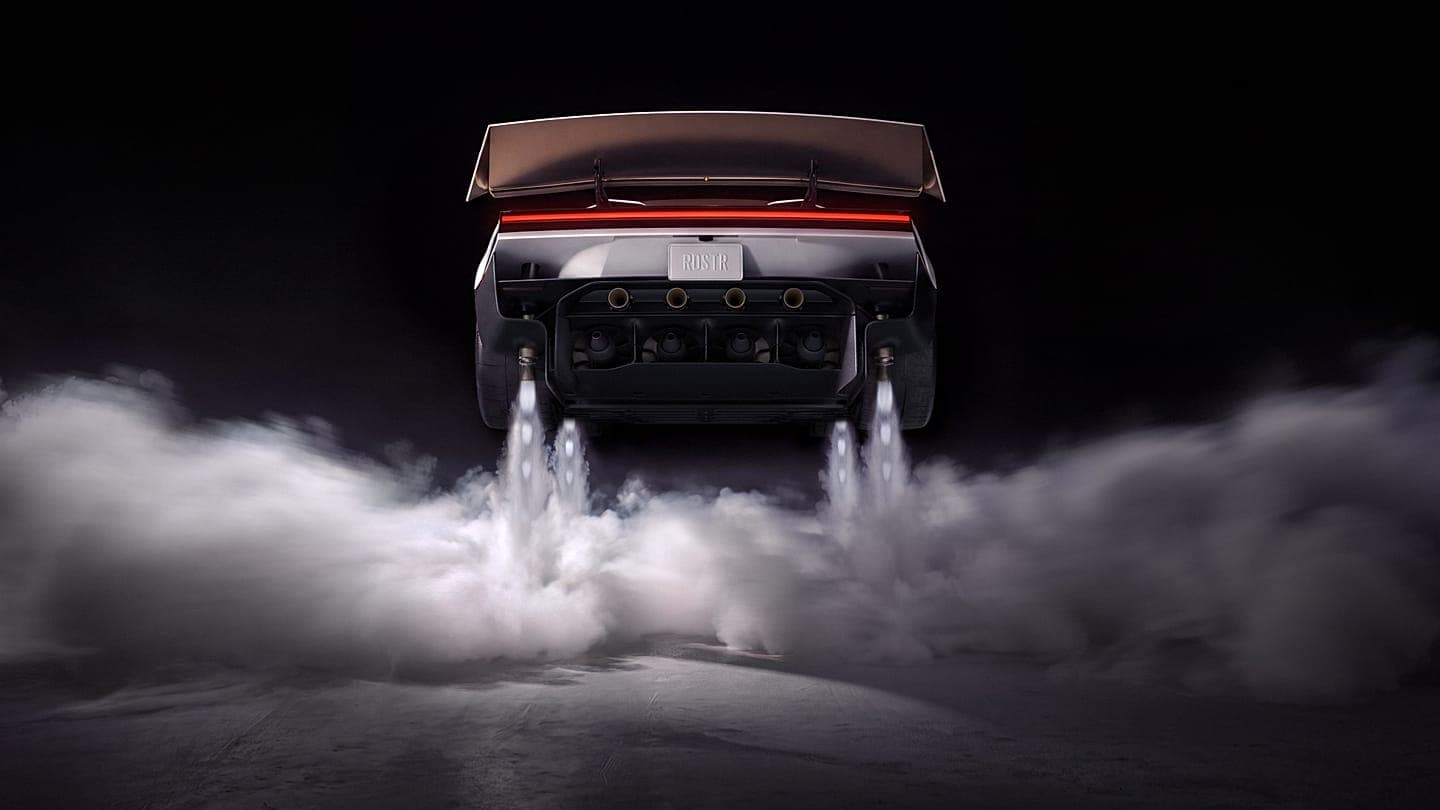
- Tesla showed a Roadster with thrusters based on SpaceX technologies; production is expected in 2028, the flying Rocket version is by invitation only
- Analysts at Quilter Cheviot, ING and Deepwater call the demonstration a PR move with limited commercial value
- Tesla shares have fallen 14.6% since the start of 2026; speculation is discussed about a possible merger with SpaceX
A 'Knight Rider'-style demonstration
Elon Musk, Tesla's CEO and co-founder of SpaceX, staged a 'Knight Rider'-style demonstration, unveiling a supercar with cold-gas thrusters developed from SpaceX technologies. In Friday trading, Tesla shares rose largely thanks to the hype around the novelty, but analysts assess the model's commercial value skeptically. Mamta Valechha of Quilter Cheviot called the show 'an engineering moment designed to attract headline attention' and create buzz around the brand. Rico Luman of ING characterized the presentation as 'a PR stunt underscoring Tesla's image as an innovative company,' noting that the car remains tied to emotion and lifestyle. Gene Munster of Deepwater Asset Management called the demonstration on X 'engineering bragging with no commercial value, other than putting traditional automakers in an awkward position.'
Timelines, pre-orders and a history of delays
Musk said production launch is expected in 2028. Tesla has opened pre-orders, but the flying Rocket version is available by invitation only, and the company has not announced final retail prices. The Roadster was first unveiled in 2017, and a year later Musk suggested that rocket thrusters could allow it to fly. Since then, deadlines have been repeatedly pushed back: production was originally promised for 2020. Valechha summed up: 'Risks related to trust and execution remain high.' According to her, Musk himself previously lowered expectations regarding the Roadster's financial impact, and the project's commercial value most likely lies in strengthening Tesla's innovative image rather than in substantial profit.
Regulatory hurdles for flying cars
The Roadster's flight functions are not approved for use on public roads, which, along with high production costs, creates an obstacle to widespread adoption of the technology. In Luman's view, the flying car is designed as a niche sports machine, and 'large-scale operation of flying cars in the foreseeable future is unrealistic,' since the same airspace rules apply to them as to aircraft, and certification as aircraft by the European Union Aviation Safety Agency (EASA) would be required. EASA told Euronews Business that classifying the Roadster under aviation rules depends on its design, performance and intended mode of operation; the agency does not comment on specific certification applications but emphasized that 'any craft intended to be operated as an aircraft must meet applicable aviation safety requirements,' possibly including pilot qualification for the driver. Luman added that airspace is already quite congested, especially given the growing number of drones, and 'authorities are unlikely to allow large numbers of uncontrolled flying cars for safety reasons.' Valechha believes that individual technical solutions may over time migrate to other cars, but flying functions and thrusters are unlikely to prove economically justified for mass-market models due to cost, complexity and regulatory barriers. Luman agreed, adding that flying cars could become a cheaper alternative to private jets, 'but not in this version.'
Investor pressure and financial performance
Tesla, like many large technology companies, faces the pressure of expectations that costly technology projects will begin to generate higher profits. The company is actively investing in new technologies, yet profit growth is not keeping pace with sales growth. In the second quarter, revenue rose 26% year-on-year to $28.24 billion (€25.20 billion), but net profit attributable to shareholders fell about 5% to $1.11 billion (€990 million). Capital expenditures for the first half of the year more than doubled to $8.28 billion (€7.39 billion); Tesla expects capital spending of over $25 billion (€22.31 billion) in 2026, mainly due to investments in AI and manufacturing. Tesla shares, which traded at $438 at the start of the year, cost just over $362 on Thursday — a 14.6% decline since the start of 2026. Analysts also note that Tesla's valuation is largely built on ambitions in autonomous driving, development of the Optimus robot, and hopes for a possible merger with SpaceX.
Speculation about a merger with SpaceX
The SpaceX technologies used in the Roadster have fueled expectations of a possible combination of the two companies. According to Barron's, Barclays analyst Dan Levy suggested that a corresponding announcement could come before Tesla's annual shareholder meeting. However, a possible deal remains at the level of speculation for now: there is no certainty either whether it will happen or when. For now, the Roadster, it seems, primarily attracts wealthy enthusiasts. 'This new futuristic model is great for fans and gadget lovers who can afford such spending. And I'm sure there are plenty of such people,' Luman added.


