The key facts
- 96% of those surveyed by CensHERship reported restrictions on women's health content; the share of self-censorship rose from 53% in 2025 to 65% in 2026
- Irene Breen's company spent 10 months getting restrictions lifted over the word 'pregnancy'
- Meta and TikTok say they allow women's health content and consult with organisations
Advertising and content restrictions
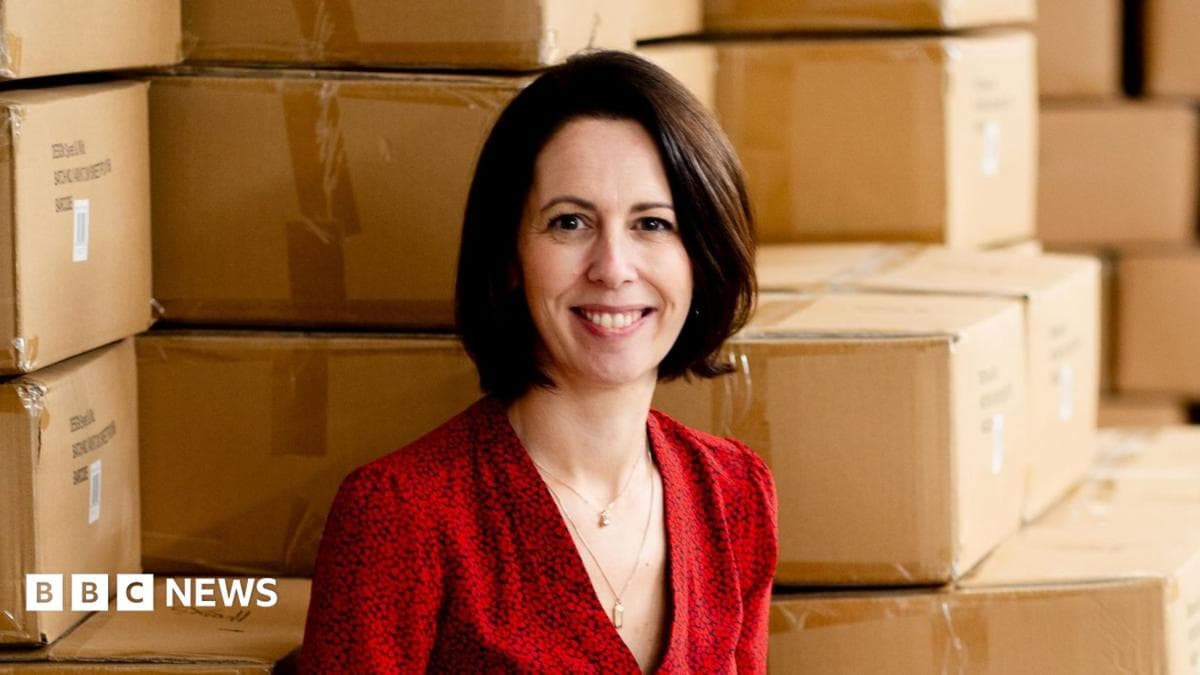
According to BBC News, creators of women's health content and charities report that their posts are being removed, flagged with sensitivity filters or having their reach limited — a practice known as 'shadowbanning'. Irene Breen, founder of Bella Moon, a company making pregnancy pillows, said that in January 2025 Instagram removed her company's advert. She said that on a call with Meta she was told the problem was the word 'pregnancy'. The company had to remove the word from its entire website, including product names and URLs. The restrictions were lifted after 10 months of negotiations, and during that time the business suffered significant financial damage, Breen said.
CensHERship campaign data
The CensHERship campaign tracks reports of women's health content suppression. In a report last month it surveyed nearly 200 creators, clinical specialists, brands, charities and educators: 96% said they had faced restrictions in one form or another. The share of respondents practising self-censorship because of 'shadowbanning' rose from 53% in 2025 to 65% this year — using euphemisms like 'seggs' instead of 'sex', asterisks, emojis, or avoiding certain topics altogether. CensHERship co-founder Clio Wood called this 'genuinely harmful', because the topic of women's health has historically been surrounded by stigma, and platforms only reinforce it.
Cases of charities and companies
Athena Lamnisos, head of the gynaecological cancer charity the Eve Appeal, reported that some hashtags, including #vaginalcancer, do not appear on Instagram. A post with an anatomical diagram of the vulva with captions about vulval cancer was removed; the appeal was initially rejected, but a few weeks later the post 'suddenly reappeared' behind a sensitivity filter. Lamnisos said she would not be exaggerating in saying that 'life-saving health information is not reaching those who need it most', and that after contacting Meta the problem persists. Deirdre O'Neill of Hertility (fertility tests) said a video of a woman describing endometriosis pain was removed by Meta and classified as political content. She also said advertising on TikTok had become an 'obstacle course', and the company abandoned it.
Position of platforms and experts
Meta declined to comment on specific cases but told the BBC that businesses can advertise wellness, sexual and reproductive health products and services, with restrictions in place so that users in different countries and cultures do not have a negative experience. The company added that it allows women's health content and consults with relevant organisations to improve its systems. TikTok said certain content cannot be promoted in the For You feed, but the platform is transparent about such posts and allows appeals; according to the company, millions of women share health stories with hashtags like #Period and #Endometriosis. Digital criminologist at the London School of Economics Dr Carolina Are noted that research shows AI often flags posts, which can lead to 'misrecognition' with the memorisation and repetition of past erroneous decisions; automated messages make appeals difficult. According to her, platform policies are 'extremely broad', and nudity is often conflated with sexual activity. Wood noted that since launching CensHERship in 2024 she has seen companies' willingness to discuss the problem, but added: 'if the algorithm is still flagging and suppressing such content — that is the problem', and departments within platforms work in silos.
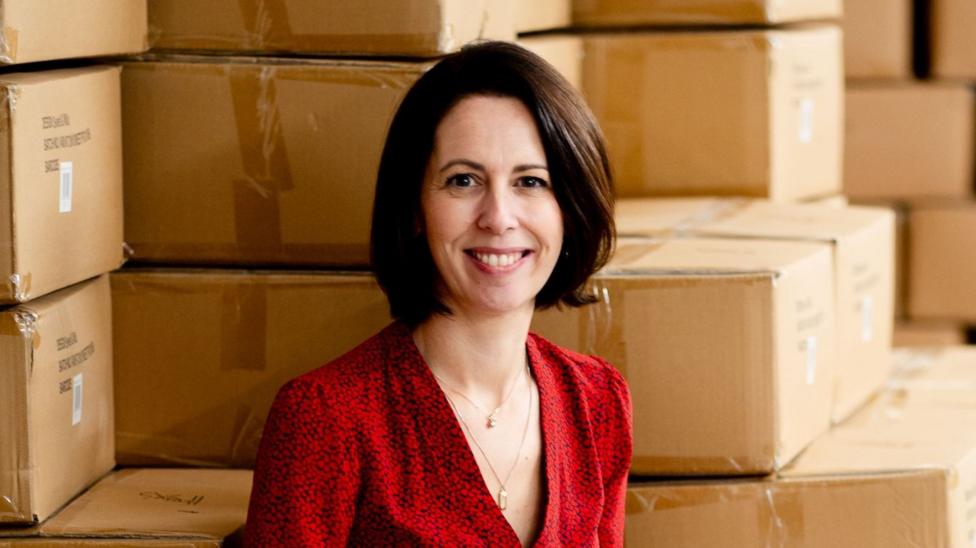 Image source, Irene Breen
Irene Breen told the BBC her business suffered a significant financial hit from the restrictions
 Image source, Irene Breen
The advert was returned to Bella Moon with the word "pregnancy" crossed out
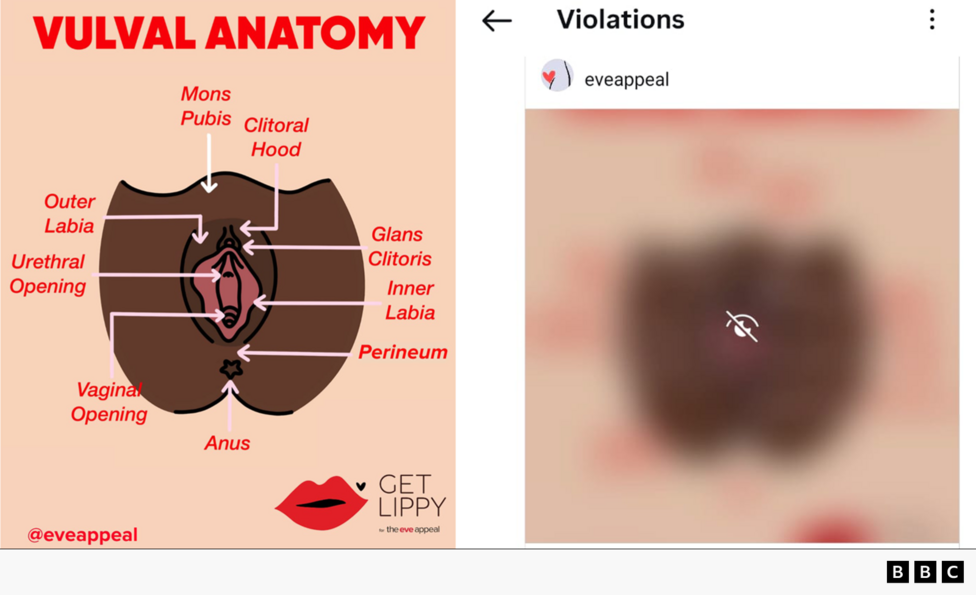 Image source, BBC/Eve Appeal
The diagram was put behind a sensitivity filter
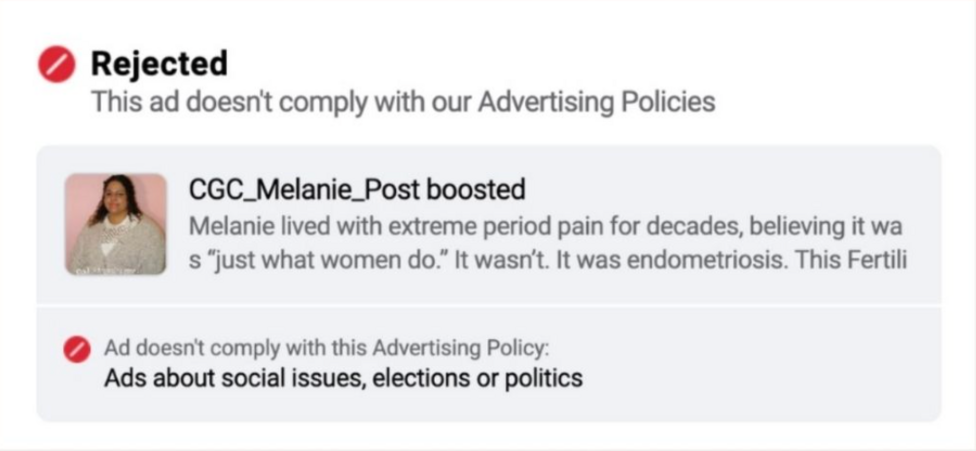 Image source, Hertility
The post featuring a woman talking about endometriosis was flagged and classified as "social issues, elections or politics"
 Image source, Deirdre O'Neill
O'Neill says Hertility has given up advertising on TikTok