The key facts
- Parental leave: 180 days at 100% pay when shared between parents, 150 days if taken by one; a single parent receives all 180 days at full pay.
- Alternative options are possible: 210 days at 90% pay with 60 days of father's leave, or 86% with one month of exclusive care by each parent.
- The measure does not apply to leave already started; it also introduces a continuous working day for parents of children under 12 and workers with dependents with disabilities or chronic illnesses.
Approval in the working group
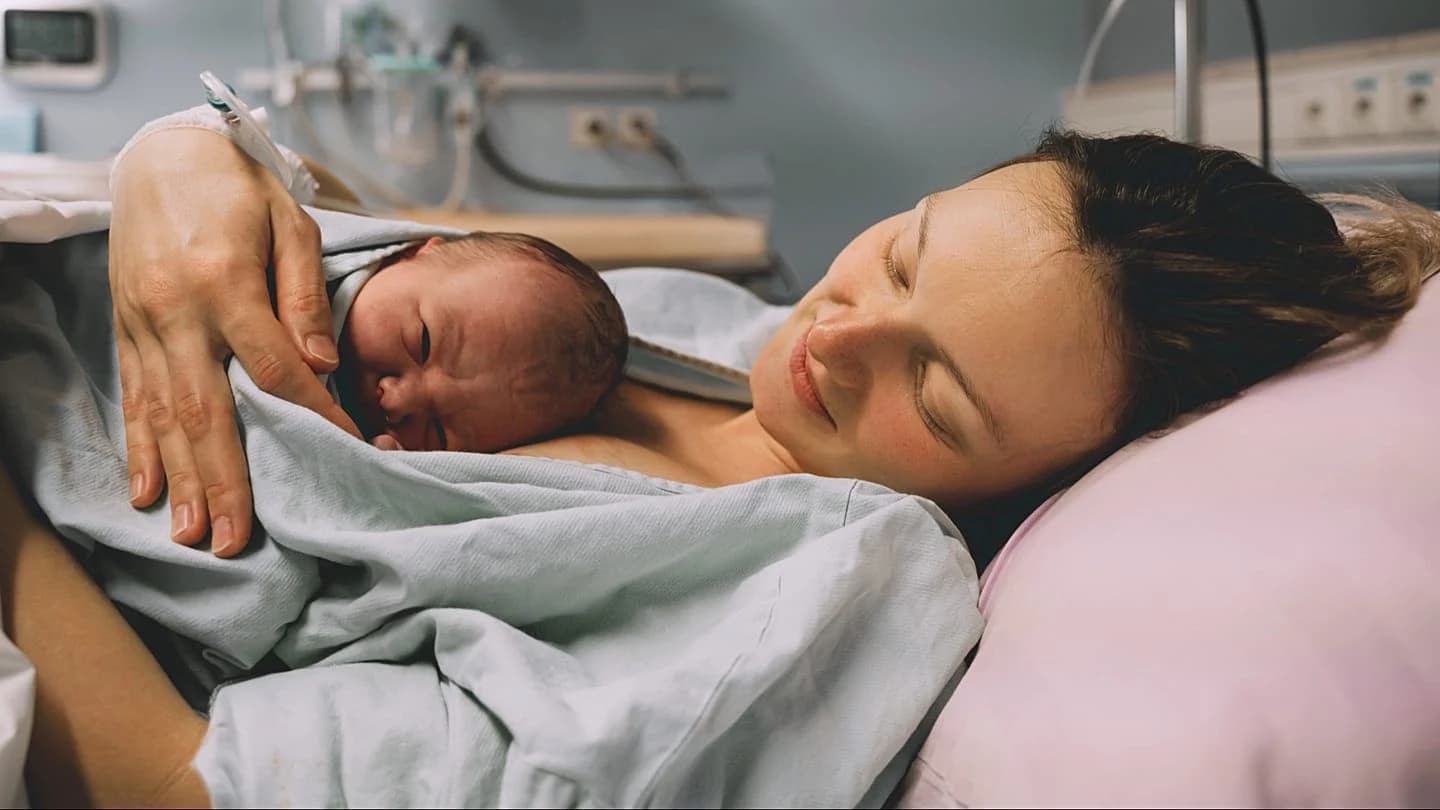
On Tuesday, 14 October 2026, MPs at a meeting of the parliamentary working group approved a joint proposal by the PS and PSD parties to extend parental leave. According to Euronews, the document provides for leave paid at 100% of the reference earnings (determined by the social security system) lasting 180 days (six months) if the leave is shared between parents, or 150 days (five months) if taken by only one of them. In the first case, each parent must use at least 30 consecutive days or two periods of 15 consecutive days. In single-parent families, the lone parent is entitled to all 180 days at full pay.
Alternative payment options
If the leave is not shared, parents may receive a benefit of 83% of the reference earnings for six months (180 days). Leave of up to 210 days is also possible: at 90% pay if the father takes at least 60 consecutive days in addition to his 28 days of exclusive paternity leave, or at 86% pay if each of the parents spends one of the two final months with the child in exclusive care.
Comparison with current rules
The new legal regime creates more favourable conditions than the current one: at present, leave paid at 100% covers only the first 120 days of the child's life without sharing, or 150 days if the father takes 30 days of exclusive leave. In both cases the period can be extended by a month, but with pay of 80% and 83% respectively.
Further procedures and limitations
After approval in the working group, the document goes to the parliamentary committee on labour, social security and inclusion, and then to a final plenary vote. According to Negócios, the extension will not affect leave already granted: the measure will apply only to leave beginning next year. It is noted that the approved version is less ambitious than the 2023 citizens' legislative initiative, which provided for 100% pay during the first 180 days with the possibility of extension to 210–240 days if the leave is shared; it was this initiative that formed the basis of the PS and PSD bill.
Continuous working day
The bill also allows private-sector workers, as is already possible in the public sector, to switch to a continuous working day. Employees with children under 12 or with dependents with a disability, chronic or oncological illness will be able to give up their lunch or dinner break and work the hours consecutively in order to leave earlier, while retaining the right to a break of up to 30 minutes.
Context: other European countries
According to Euronews, even after the reform Portugal will remain less generous than neighbouring Spain, where in two-parent families each parent is entitled to 19 weeks of fully paid leave, and in single-parent families 32 weeks. In France, until recently, maternity leave for a first child was just under four months with salary maintained, and fathers had 28 days; since July, new rules have been in force allowing parents to share additional leave of one or two months, paid at 70% of net salary in the first month and 60% in the second. In Sweden, the law provides for 480 days (about 16 months) of paid leave, but the benefit does not exceed 80% of earnings. In Finland, a child entitles parents to 320 working days (about 14 months): 160 days for each parent, of which 63 can be transferred to the other; the benefit is calculated based on income and paid by the social security system.