The key facts
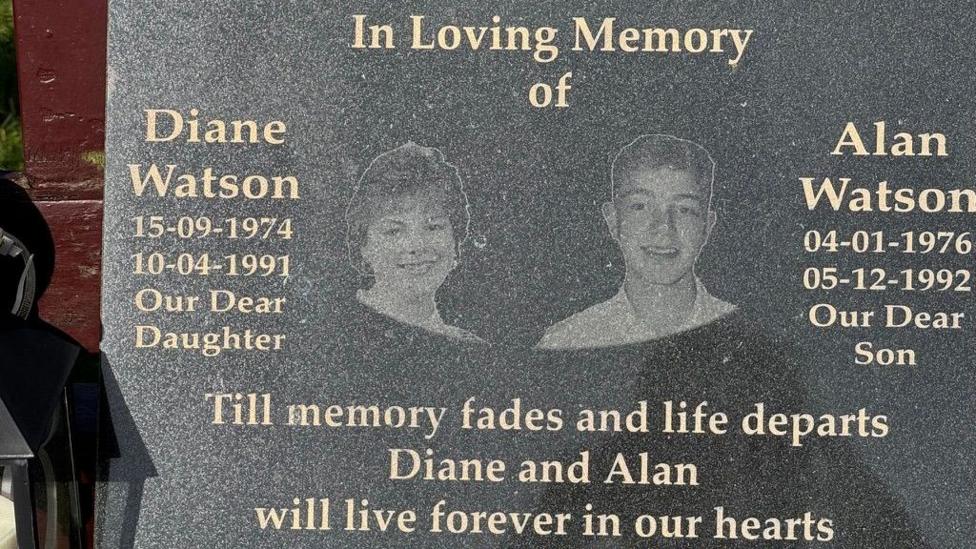
- 16-year-old Diana Watson was stabbed to death in April 1991 outside Whitehill school in Glasgow; the killer was 15-year-old Barbara Glover, found guilty and detained without limit of time, released in 2000.
- Her friend Pauline Love Thomson helped the dying Diana cross the road to get home and has now spoken about it for the first time in a BBC Scotland podcast.
- After articles in The Herald and Marie Claire accused Diana of bullying, her brother Alan took his own life; their mother Margaret secured apologies from the publications and spoke at the Leveson Inquiry in 2011.
The Schoolyard Killing
In April 1991, 16-year-old Diana Watson was stabbed to death in the schoolyard of Whitehill Secondary School in the east end of Glasgow. Her best friend Pauline, also 16 at the time, stood nearby and watched as 15-year-old Barbara Glover, armed with a large kitchen knife, called Diana out in front of a gathered crowd of schoolchildren. “She let out a growl as she stepped forward,” Pauline recalls. “She struck her with the knife, and people began to disperse. Everyone just vanished.” Pauline put her arm around her friend’s shoulders, not immediately realising the extent of the wound.
The Journey Across the Road
Pauline tried to help the bleeding Diana get to the flat across the road, where she lived with her parents and her 15-year-old brother Alan. Diana, according to Pauline, said: “I can’t believe it. She stabbed me.” Already at the school gates her friend began to slump; with the help of two other girls, Pauline got her across the road, but at the entrance Diana collapsed. Her father Jim, woken by the knocking at the door, carried his daughter upstairs and tried to perform mouth-to-mouth resuscitation. “I’m shouting, ‘You’re doing it wrong’ — I could hear her rattling breath, blood coming from her mouth,” Pauline said. Diana was pronounced dead at Glasgow Royal Infirmary, and Glover handed herself in to the police.
The Trial and Contradictory Testimony
Three months later, Pauline was the first to give evidence at the trial. She told the court that in the days before, Glover had been pursuing Diana, believing she was seeing her ex-boyfriend; the culmination was a fight outside a shop, during which Glover’s hood was pulled back and her bra exposed, humiliating her. The next day she put a knife in her bag and went to school. According to Pauline, Diana was not interested in that boy, and they barely knew Glover. Glover herself, speaking from the witness position, claimed she had been bullied by Diana for more than a year; Pauline and other witnesses denied this. The jury unanimously found Glover guilty; because she was under 16, she was detained without limit of time — with no fixed release date.
The Press, the Bullying Narrative and Alan’s Death
The verdict sparked controversy: journalists Jack McLean (The Herald) and Meg Henderson (Marie Claire), who had not attended the trial, wrote pieces about the injustice of indefinite detention of children, seizing on the portrayal of Diana as a bully. McLean added a class angle, describing Diana as coming from the “top layer of the working class” with the “posh white socks of Labour aristocracy’s daughter.” Pauline called this far from the truth: Diana’s mother Margaret worked in a school canteen, and her father Jim was a postman on temporary shifts. The family felt Diana was being blamed and smeared; Margaret wanted to sue, but was told a dead person cannot be defamed. Alan, devastated by his sister’s death and her portrayal in the media, took his own life less than two years later — clippings about Diana and a note apologising and wishing to be with his sister were found in his hand.
Margaret Watson’s Crusade
The tragedy drove Margaret Watson into a years-long campaign against the power of the press. She demanded apologies from The Herald and Marie Claire, contacted prime ministers, lords and the Hacked Off campaign of actor Hugh Grant, and in November 2011 gave evidence at the Leveson Inquiry into press ethics: “The fact that a person has died does not mean their reputation should die with them. It should not be smeared at the will of some sick journalist.” Pauline described her as small and fragile but “a real fire” — “a force driven by grief, anger and rage almost all the time.” Both publications apologised before the parents’ deaths: Jim Watson died in 2020 at 69, Margaret a year later at 71. Barbara Glover was released in 2000, having served eight and a half years.
A Love That Survived the Tragedy
Sitting beside Pauline on the sofa during the interview was her husband Andy Thomson — the best friend of the late Alan. After Alan’s death they grew close and have been together for 34 years. “We were kids, and I understood what she was going through because I was very close to Alan,” Andy said. “When Alan was gone, it brought us even closer.” Pauline explained that she agreed to speak now for the sake of Diana, Alan and their parents: “Nobody gives you a manual on how to cope with trauma in your teenage years. We were left alone and helped each other. Our life wasn’t all trauma, but it was part of it. The main thing is that we wanted to tell people about Diana and Alan as people, not just names in newspapers. They were ordinary teenagers who should still be alive.” Her account was featured in the BBC Scotland podcast Crime Next Door: The Playground Murder.
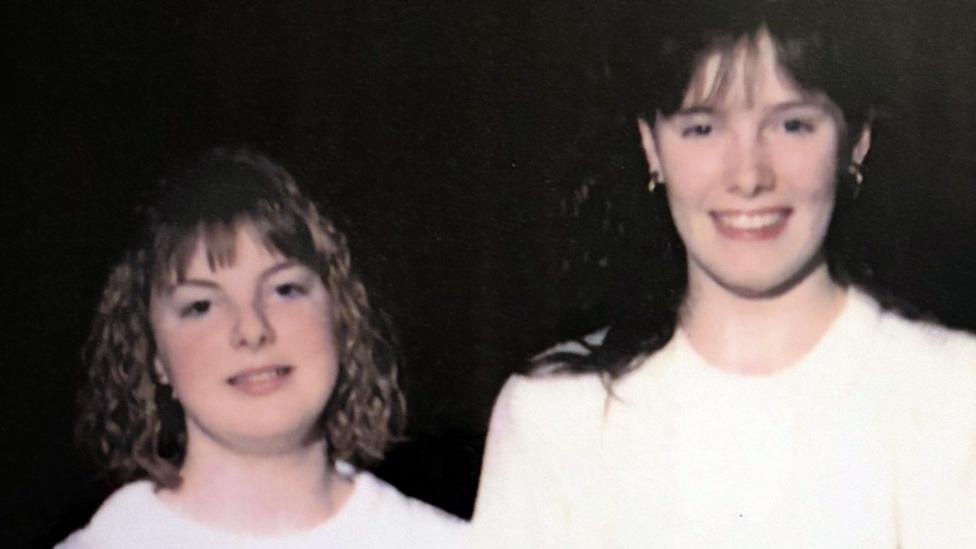 Image source, Pauline Love Thomson
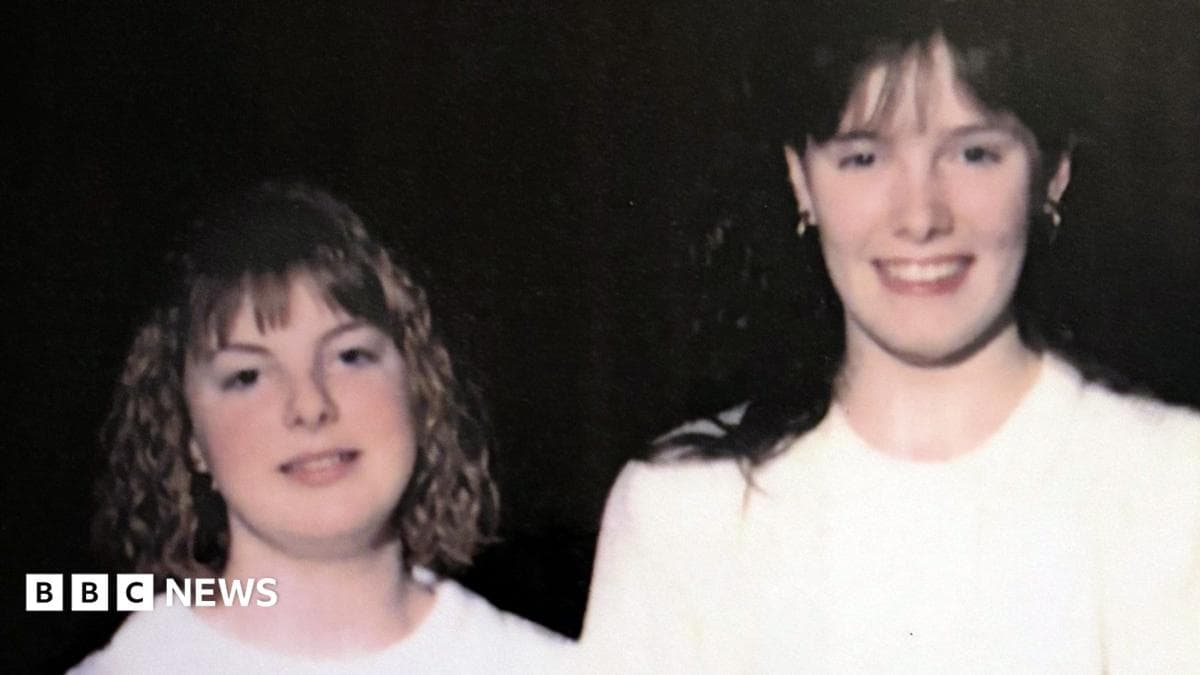
Best friends Diane (left) and Pauline (right) did everything together
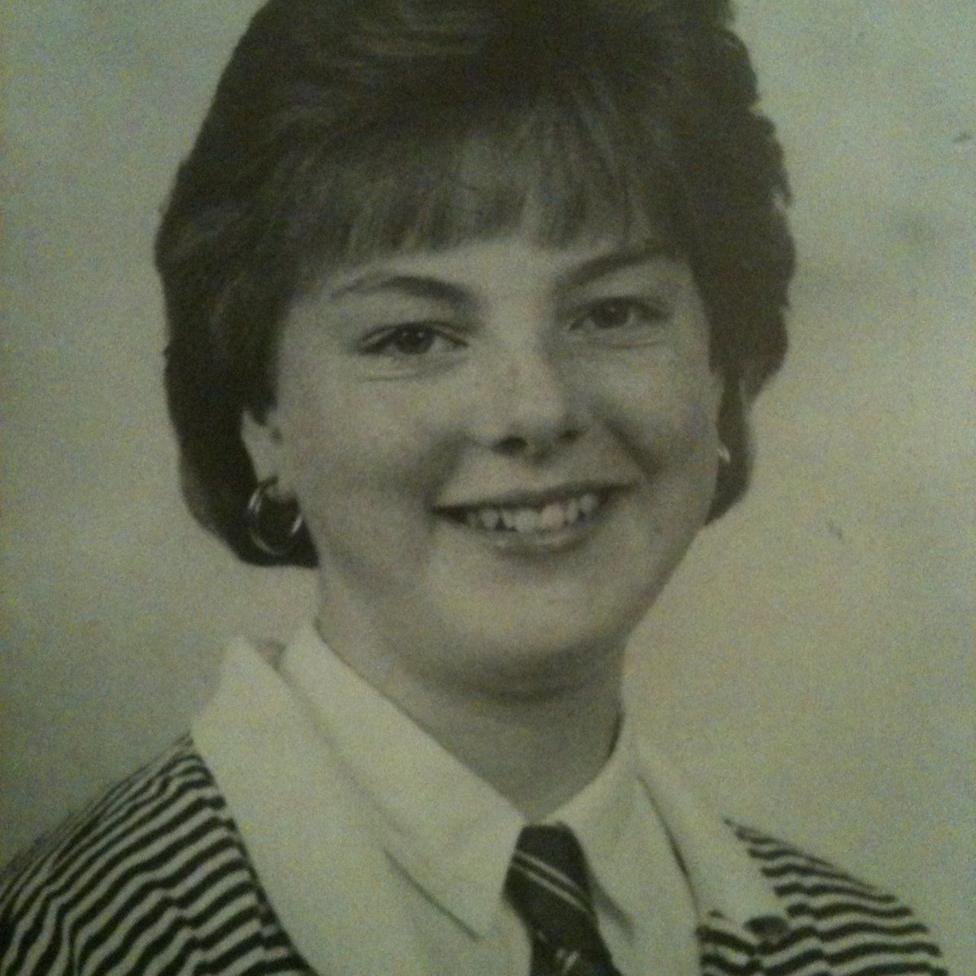 Image source, Watson family
Diane Watson was 16 when she died
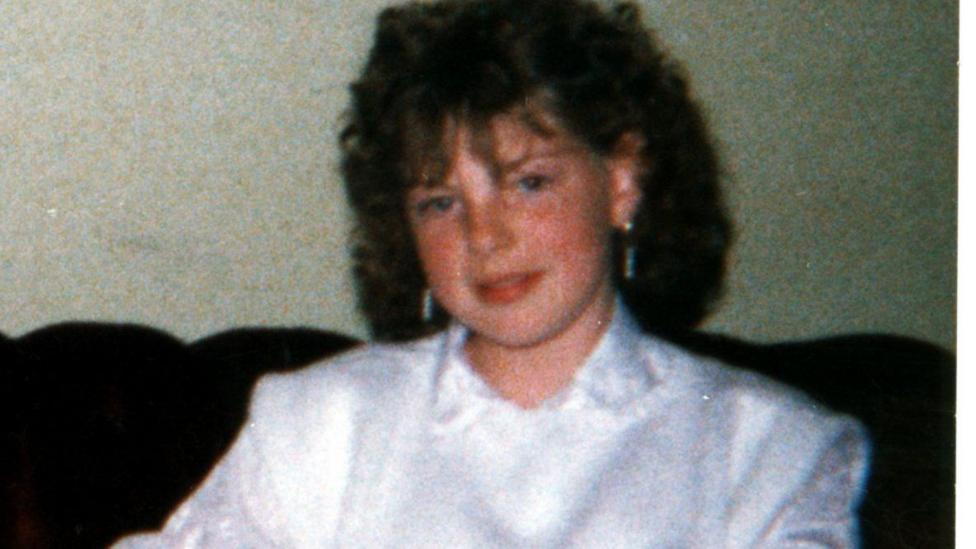 Image source, Watson family
Diane lived with parents across the road from the school
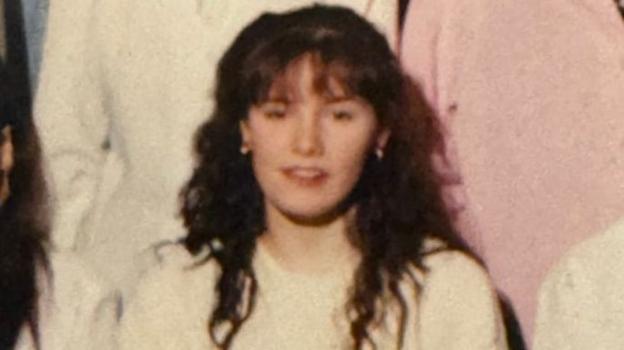 Image source, Pauline Love Thomson
Pauline helped her friend across the road to her parents' house
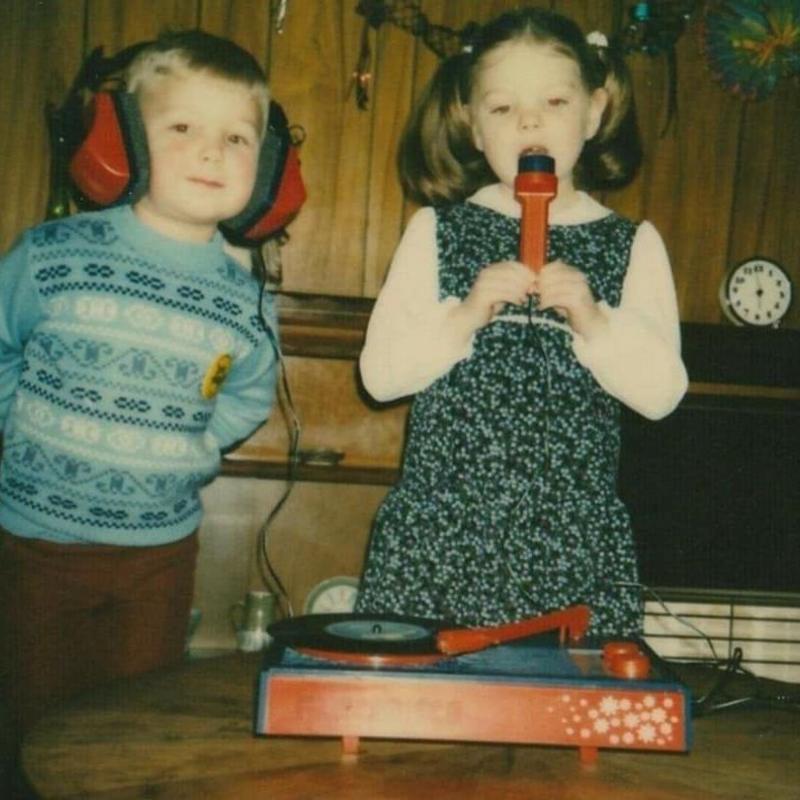 Image source, Watson family
Diane and her brother Alan were very close
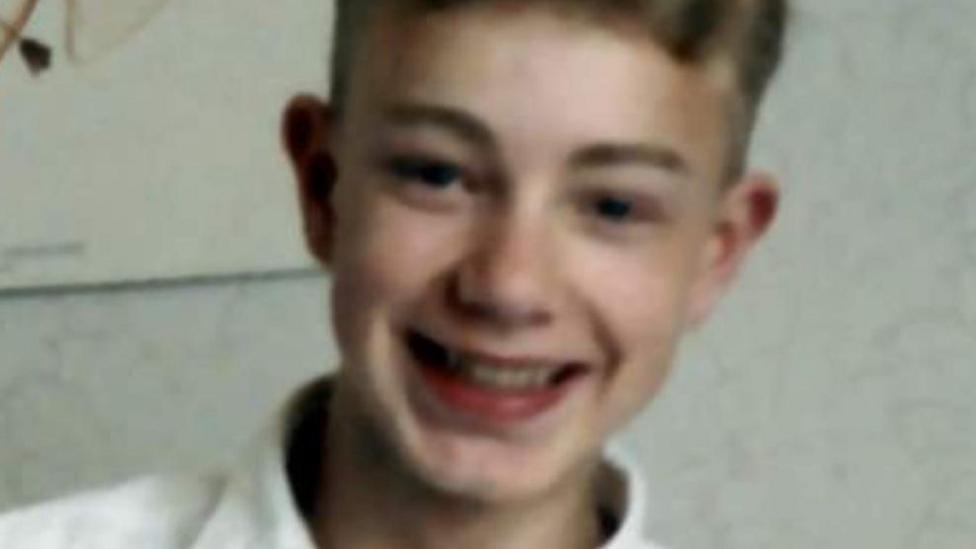 Image source, Watson family
Alan Watson was angry about the treatment of his sister after her death
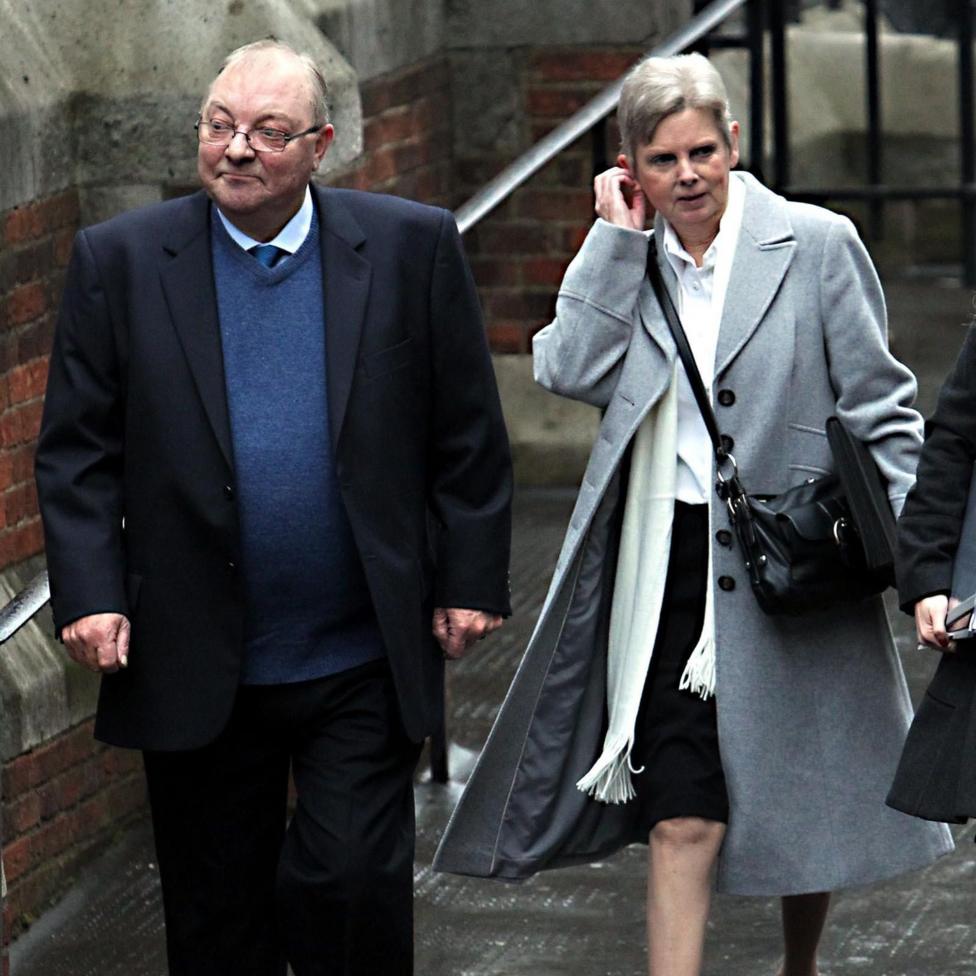 Image source, PA Media
Margaret gave evidence to the Leveson inquiry in 2011