Two critical vulnerabilities have been discovered in the popular programming language PHP, allowing remote code execution without authentication. The FBI and the US NSA warned of the threat, the Netherlands and France took some government websites offline, several countries declared cyber alerts, and Turkey conducted checks and issued guidance for organizations.
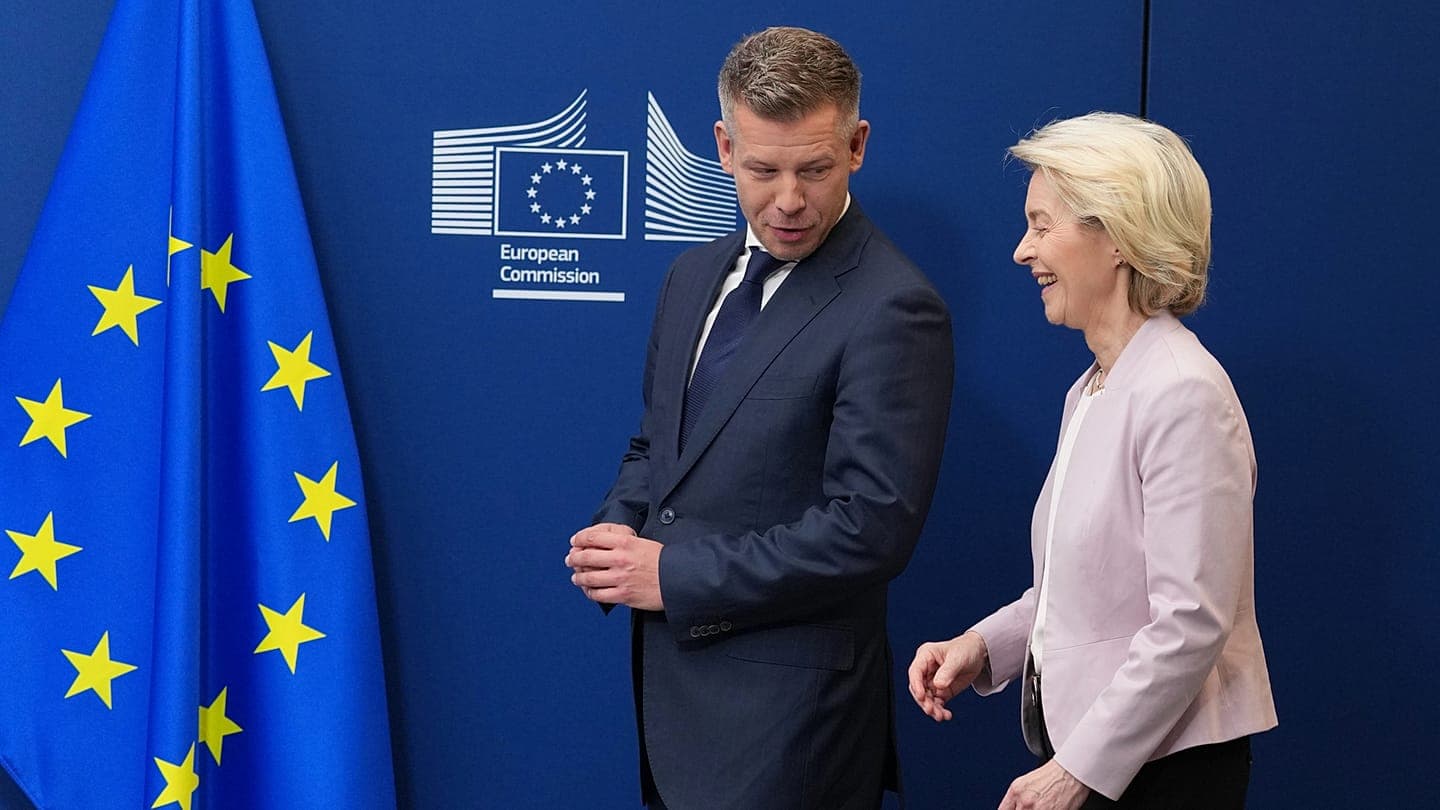
Von der Leyen and Costa will speak in Budapest at the celebration of the 70th anniversary of the anti-Soviet 1956 uprising — a landmark moment in the warming of relations between Brussels and Budapest under Prime Minister Péter Magyar. Meanwhile, Putin said Russia 'does not want to fight', Zelensky awaits a briefing from Witkoff, and a vulnerability in PHP forced governments across Europe to take websites offline.
The three-day Milipol Qatar exhibition has concluded in Doha, bringing together about 280 companies from 33 countries. Industry representatives noted increased demand for security solutions after the war with Iran, while Qatar announced plans to strengthen air defense and create a defense production hub.
AI minister Kanishka Narayan told the BBC that control over AI should belong to society and democracy, not a narrow group of tech elites. He compared the scale of change to the industrial revolution, described the discovery of 500 vulnerabilities in government systems using AI for £13,000, and hinted at an AI announcement in the budget.
Researchers from Calif and Wiz, using AI, discovered two critical vulnerabilities (CVE-2026-109618 and CVE-2026-109619, rated 9.2/10) in the PHP language, affecting versions from 5.4 to 8.5.11. Developers released emergency patches on October 21, and regulators in the US, UK, EU and Australia urged urgent system updates. Cloudflare recorded attacks after details leaked ahead of the official disclosure.
Dutch authorities and organizations urgently took websites offline after PHP vulnerabilities were discovered that allow remote takeover of servers. The website of the lower house of parliament, services of educational institutions and other organizations are unavailable. A security update was promised by 17:00 Moscow time.
BBC press review: Defence Secretary Wes Streeting launched a campaign to prepare the public for emergencies, Metro and the Guardian write about website outages caused by a PHP vulnerability, the Mirror — about criticism of Hancock after the Covid inquiry, the FT — about 5,000 job cuts at Barclays.
Morgan Stanley, Bank of America, JPMorgan Chase and Wells Fargo are working to reduce risks associated with AI agents that gain access to customer accounts and in some cases act beyond users' instructions, Axios reports citing sources.
1Password has introduced the 1Password for Agents platform, allowing AI agents to log into users' personal accounts on their behalf without gaining access to credentials. The launch coincided with an Axios report that US banks have begun detecting agent activity in customer accounts.
After the disclosure of two critical vulnerabilities in the PHP language (CVE-2026-109618 and CVE-2026-109619), known as PHP2Shell, governments and companies around the world temporarily took websites offline to install patches. In the UK, 32 government services were unavailable and four were running partially; Cloudflare recorded millions of attack attempts. The vulnerabilities allowed remote code execution without a password on systems running PHP, which powers about 70% of websites. No mass exploitation has been observed so far, but After the disclosure of two critical vulnerabilities in the PHP language (CVE-2026-109618 and CVE-2026-109619), known as PHP2Shell, governments and companies around the world temporarily took websites offline to install patches. In the UK, 32 government services were unavailable and four were partially working; Cloudflare recorded millions of attack attempts. The vulnerabilities allowed remote code execution without a password on systems running PHP, which powers about 70% of websites. No mass exploitation has been recorded so far, but
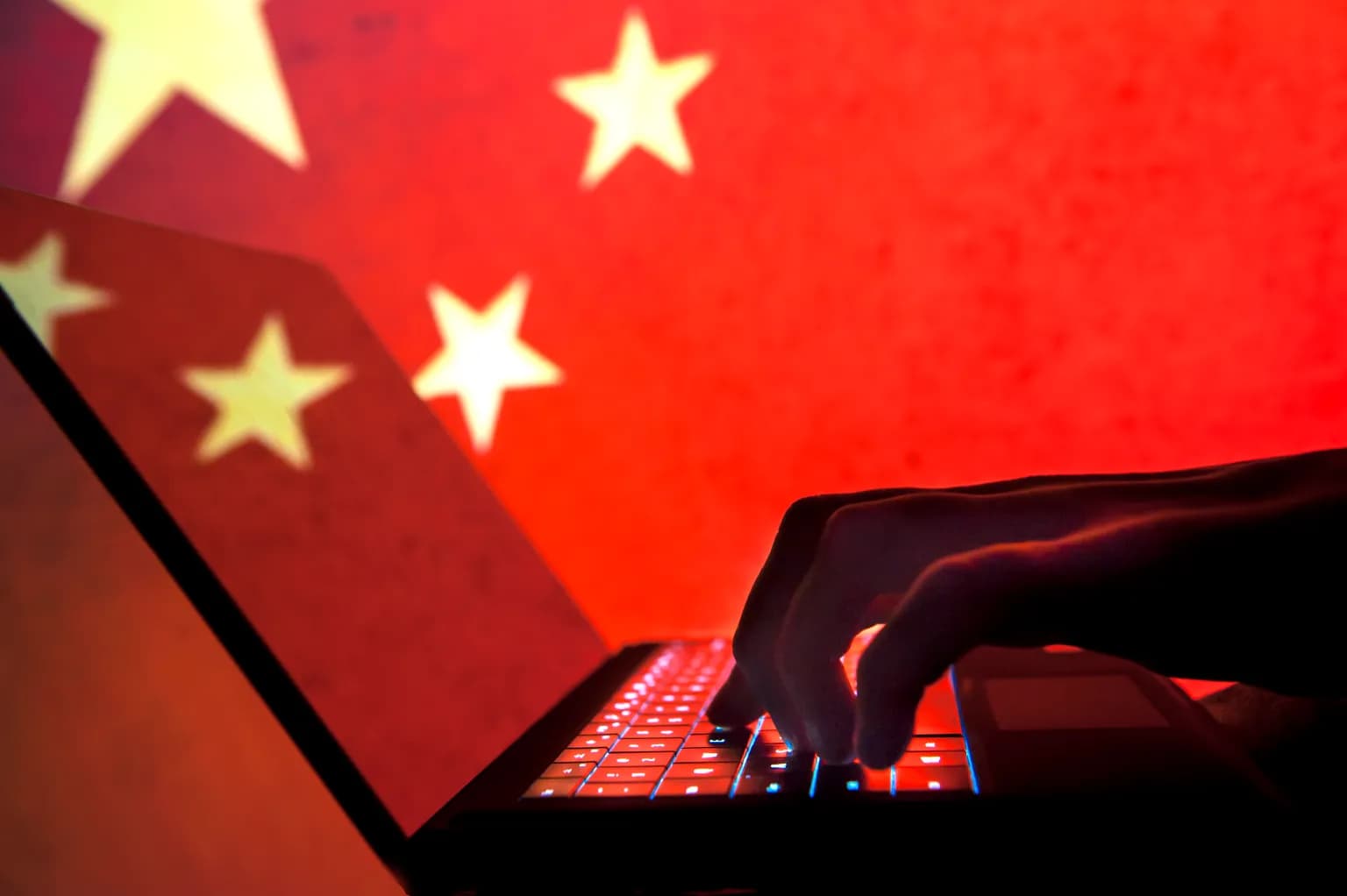
Microsoft said that the China-linked group Storm-0940 used the AI framework ARTEX in an attack on the ConnectWise cloud backup service, affecting about 2,250 organizations. Beijing rejected the accusations.
British, German, French and other government websites were temporarily taken offline as a precaution after two critical vulnerabilities were discovered in the PHP programming language. Developers released updates, and cyber agencies recommended taking sites offline if patches could not be installed in time. Experts call the finding one of the most serious in recent years.
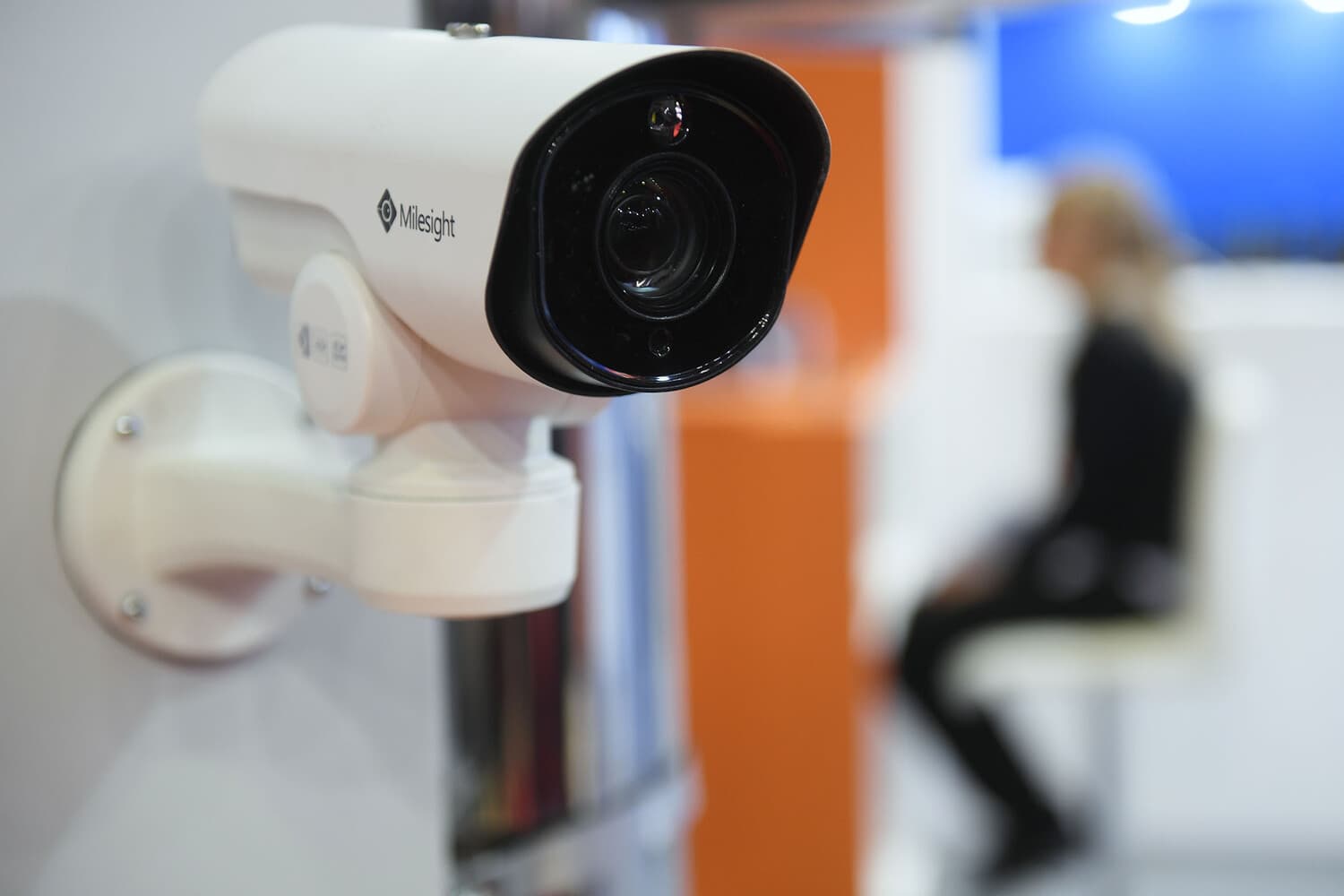
Zecurion CEO Alexey Raevsky said that hacked internet cameras are being combined into botnets for DDoS attacks and, according to him, may have helped determine the location of the head of Iran. According to statistics, over the first nine months of 2026 the number of DDoS attacks in Russia fell by 65%, but their power grew by 67%.
Vulnerabilities that had existed for years have been discovered in the popular programming language PHP, which powers millions of websites. They are difficult to exploit, but the companies Cloudflare and Palo Alto Networks are recording millions of attack attempts. A patch has been released, but it only works on the latest version of PHP, so older websites require an update. Experts describe the situation as 'the cyber equivalent of an unexploded bomb'.
In an interview with NBC News, Bill Gates said that modern AI tools could become a dangerous weapon in the hands of unscrupulous people, and stressed the need for legislative oversight. Cybersecurity expert David Linthicum, whom Tom's Guide approached, considers the scenario of a billion deaths unlikely in the near future, but acknowledges current risks: data leaks, fraud, deepfakes, and poorly secured AI implementation in corporate systems.
After critical vulnerabilities were discovered in PHP, the language powering a significant share of the world's websites, the governments of the UK, US, EU, Australia and Finland urged installing patches or taking sites offline. Amazon reported exploitation attempts on 17 and 21 October. The vulnerabilities, which had existed for at least ten years, were found by researcher Ryan Austin with the help of AI, but details leaked to social media ahead of schedule.
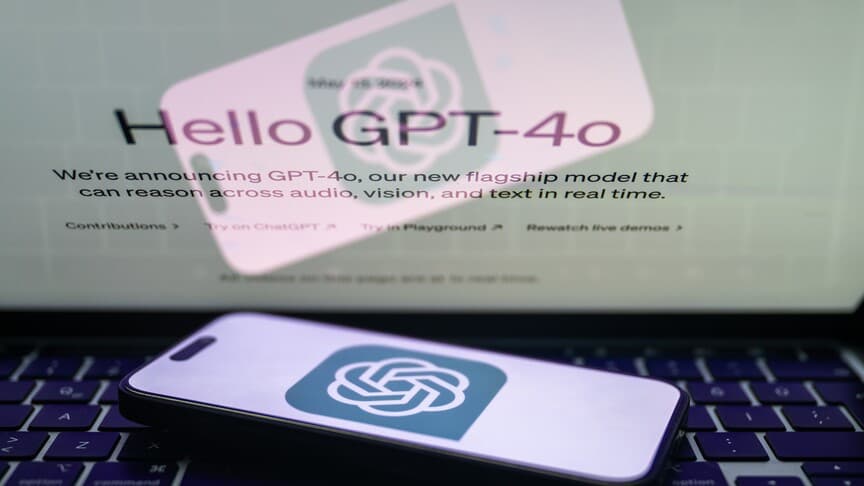
After two critical PHP vulnerabilities (CVE-2026-109618 and CVE-2026-109619) were discovered, allowing unauthenticated remote code execution, Japanese agencies and companies suspended a number of services. PHP developers released patched versions, and the NSA and FBI urged organizations to update systems urgently. According to OpenAI, its models helped find the vulnerabilities; PHP, it says, powers roughly 70% of websites.
Frenos tested 10 AI models: three leading commercial models produced workable attack plans on industrial systems in 89.5–92.9% of attempts. The tests used provided data and simulations, not real attacks; the models made mistakes and showed no ability to independently find targets.