The key facts
- Von der Leyen and Costa will take part in the commemoration of the 70th anniversary of the 1956 uprising in Budapest — a signal of warming EU-Hungary relations under Prime Minister Péter Magyar
- At the same time, Budapest blocked the next stage of Ukraine's EU accession talks, surprising diplomats
- Putin said Russians and Ukrainians are 'one people' and pledged to achieve all the war's 'goals' if Kyiv does not agree to a deal
Budapest 'reset' of EU-Hungary relations
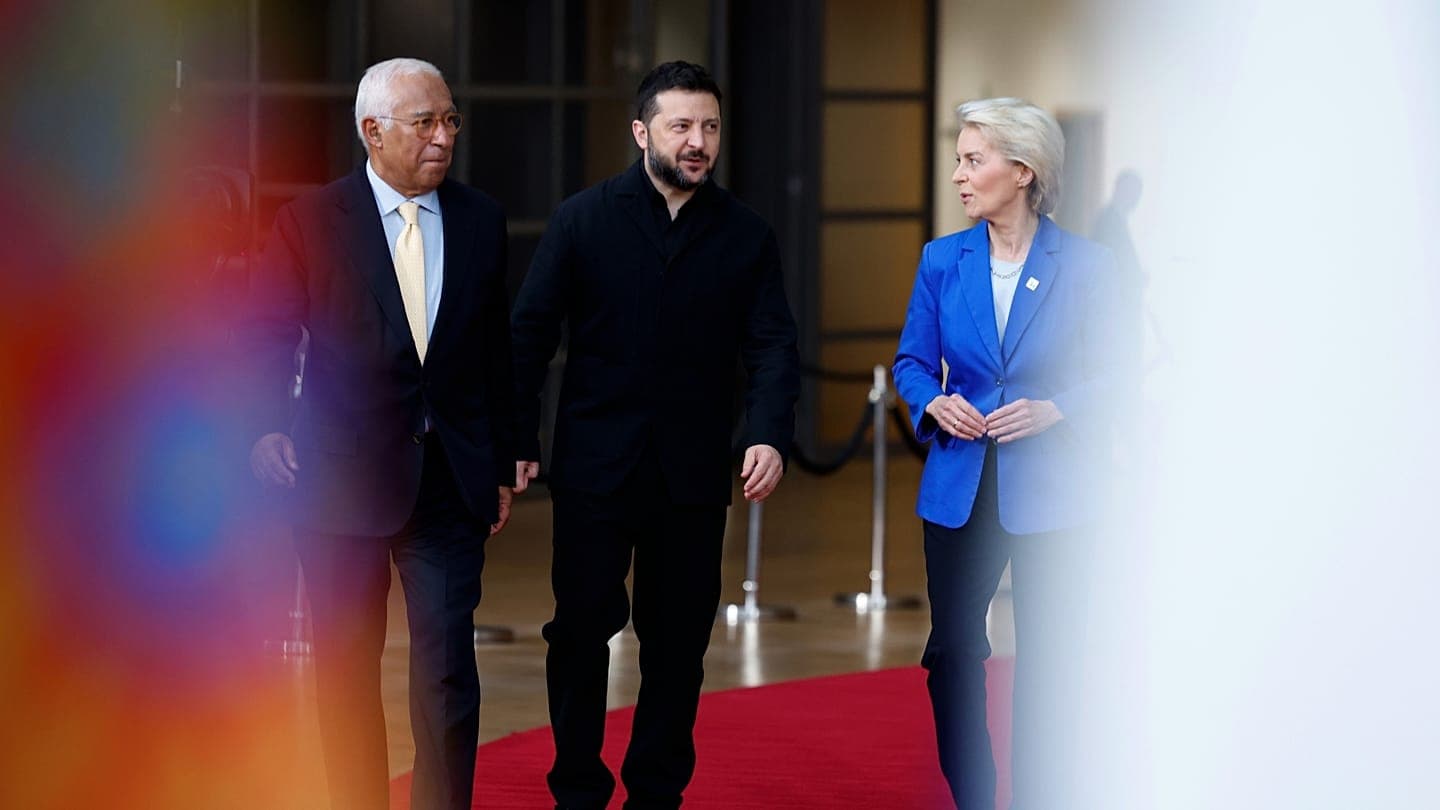
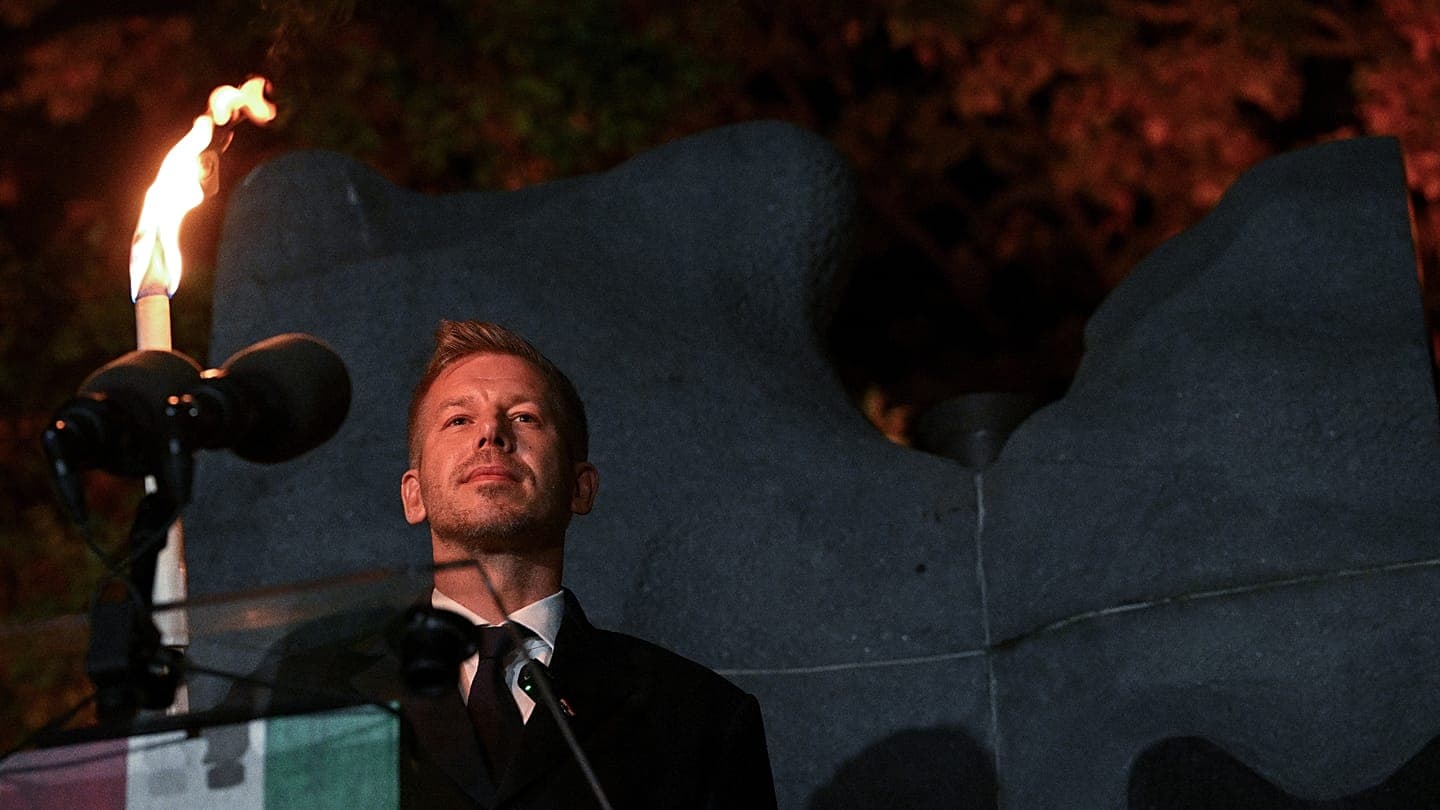
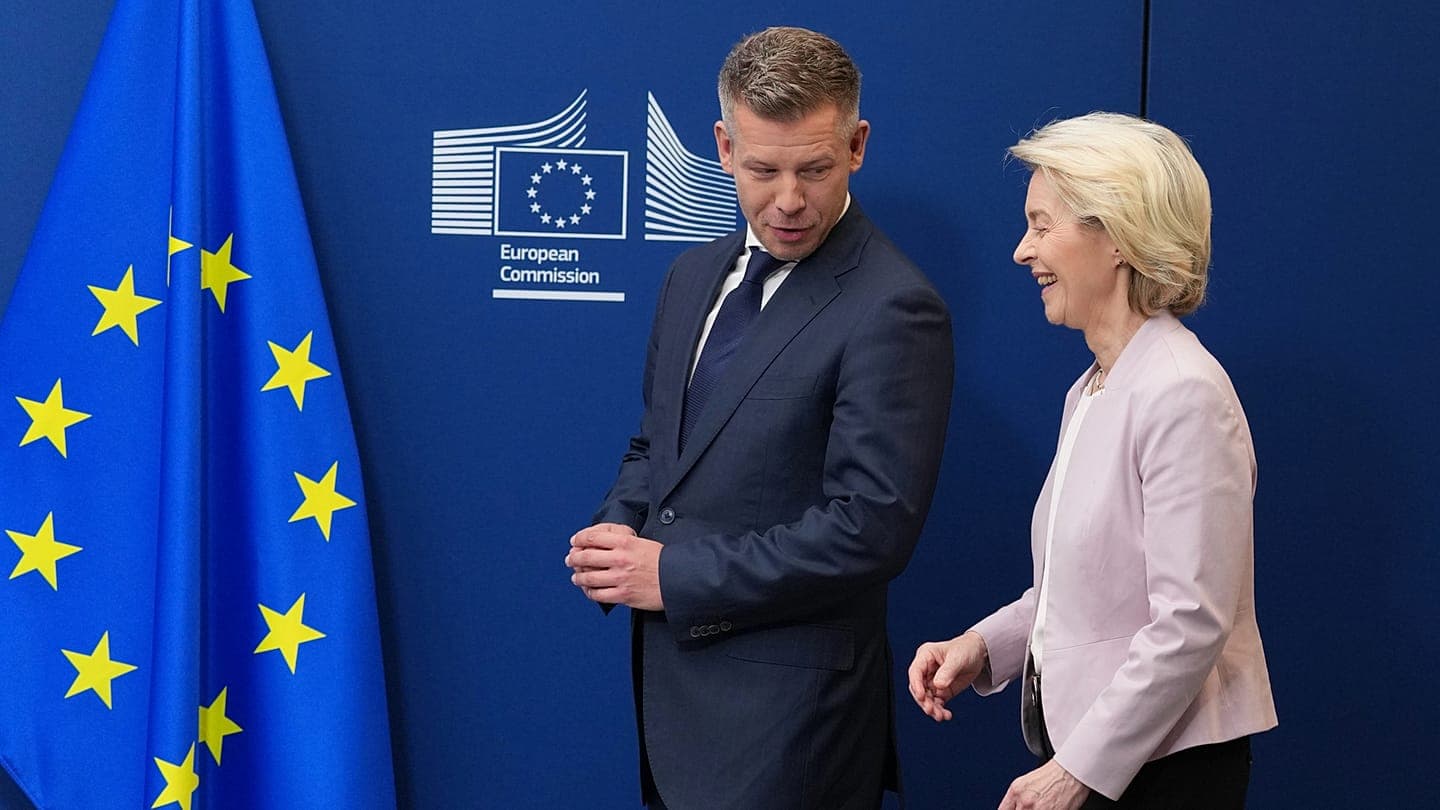
European Commission President Ursula von der Leyen and European Council President António Costa will attend the commemoration of the 70th anniversary of the anti-Soviet 1956 uprising in Budapest on 23 October. Von der Leyen is expected to deliver a speech in parliament alongside Prime Minister Péter Magyar. According to Euronews correspondent Sándor Zsiros, this is one of the clearest signals of a new chapter in EU-Hungary relations after years of confrontation under Magyar's predecessor Viktor Orbán. Previously, von der Leyen was depicted on Hungarian billboards as an 'enemy of the people', and Orbán recently criticised the EU in the same parliament. This is Magyar's first major international event since taking office in May. He invited Ukrainian President Volodymyr Zelensky, but according to Euronews, he is unlikely to attend. Diplomatic ties between Kyiv and Budapest have noticeably improved since Magyar's election in April, yet this week Budapest unexpectedly blocked the next stage of Ukraine's EU accession talks, despite Kyiv fulfilling previous requirements. French President Emmanuel Macron cancelled his trip due to unrest in France; arrivals are expected of Moldovan President Maia Sandu and Georgian Prime Minister Irakli Kobakhidze.
Putin's statements and diplomatic manoeuvres
Vladimir Putin again stated that Moscow 'does not want to fight' with its neighbour and that, in his words, it is fighting at Ukraine's insistence. He repeated the thesis that Russians and Ukrainians are 'one people', which Moscow has repeatedly used to justify the invasion, and expressed confidence that the countries can reach an agreement — provided the deal serves Russia's interests, writes colleague Sasha Vakulina. Asked about the scenario if Ukraine does not agree, Putin replied: 'Well, then it will be different,' pledging to achieve all the war's 'goals'. Meanwhile, Zelensky awaits a briefing from US envoy Steve Witkoff on Friday, to be followed by consultations among the Ukrainian, American and European teams. Overnight into Thursday, Russia launched ballistic missiles with cluster warheads at Kyiv; a monastery building, residential homes, shops and cafés in the historic centre were damaged.
Alarm in Europe over Trump-Putin rapprochement
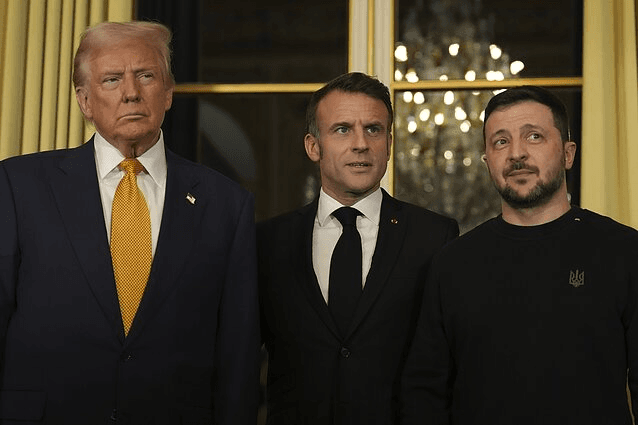
European officials are alarmed by Donald Trump's rapprochement with Vladimir Putin: fears have resurfaced that the presidents could secretly agree on a deal amounting to Ukraine's capitulation. Moscow's proposal for a Trump-Putin-Xi Jinping summit reinforced the sense that the European security architecture is 'hanging by a thread', reports Jorge Liboreiro. 'This is very worrying. It is frightening. We are simply not built to operate in such a ruthless transactional environment,' said one senior official. Despite this, European officials insist on continuing engagement with the Trump administration so that the European position is taken into account in the peace process; for Ukraine, Europe's presence is fundamentally important. Russia has signalled readiness to resume trilateral technical talks with the US and Ukraine in mid-November; Brussels hopes to expand the format into a multilateral one with European participation, although it is not guaranteed that Moscow will agree.
PHP vulnerability: government websites across Europe taken offline
AI models from OpenAI and Google identified, according to OpenAI, one of the 'most significant' security bugs of recent years, hidden in the PHP language on which a significant part of the internet runs. The vulnerabilities went undetected for more than a decade; advanced AI models were needed to turn a long-suspected weakness into a working attack. The Netherlands took offline its digital identification system DigiD, the Overheid.nl portal and the website of the lower house of parliament; the port of Rotterdam, hospitals and the country's five largest parties followed; even the National Cyber Security Centre took down its own website. Finnish state IT provider Valtori shut down government web services 'as a precaution', France's interior ministry moved local administration websites into maintenance mode, and Germany's federal IT service ITZBund took down several portals. CERT-EU recommended that organisations unable to immediately install a patch take websites offline, while the European Commission, ENISA, CERT-EU, Europol and the EU's network of national cyber teams issued a joint statement urging immediate action, prioritising internet-facing systems.
Other news
The European Parliament awarded the Sakharov Prize to the International Criminal Court in a show of support after the US imposed sanctions on the court; the deciding votes of abstaining hard-right members from Patriots for Europe broke the deadlock over the final choice. Italy and Spain agreed to lift temporary border controls, de-escalating tensions after a dispute over the migrant crisis in Ceuta; the decision followed a phone call between the interior ministers and signals from Prime Ministers Giorgia Meloni and Pedro Sánchez in Brussels. Gulf countries are preparing for a possible return to full-scale war between the US and Iran: volatility around the Israeli and US midterm elections is fuelling fears of new strikes on Tehran, while Iran promises a devastating response against Gulf states. Also: an informal meeting of EU trade ministers in Dublin.