The key facts
- From 2027, free medicines will number 73 instead of 69, and types of examinations — 36
- The early cancer detection programme will start in Samarkand and cover all regions from 2028; 700 billion soums annually
- According to the President, the early diagnosis programme for heart attacks and strokes in five regions reduced mortality by 15% over five months
Expansion of the guaranteed healthcare package
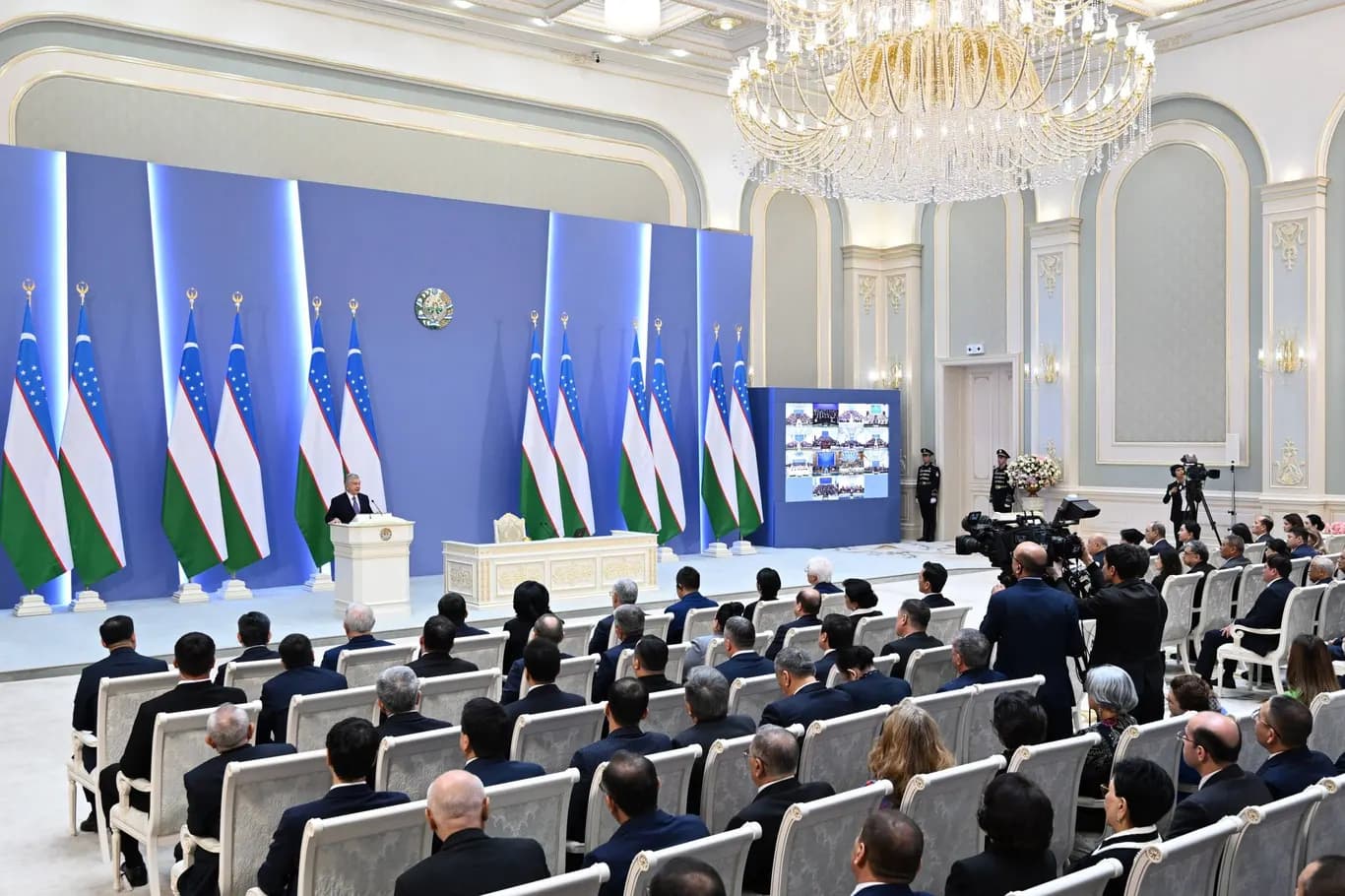
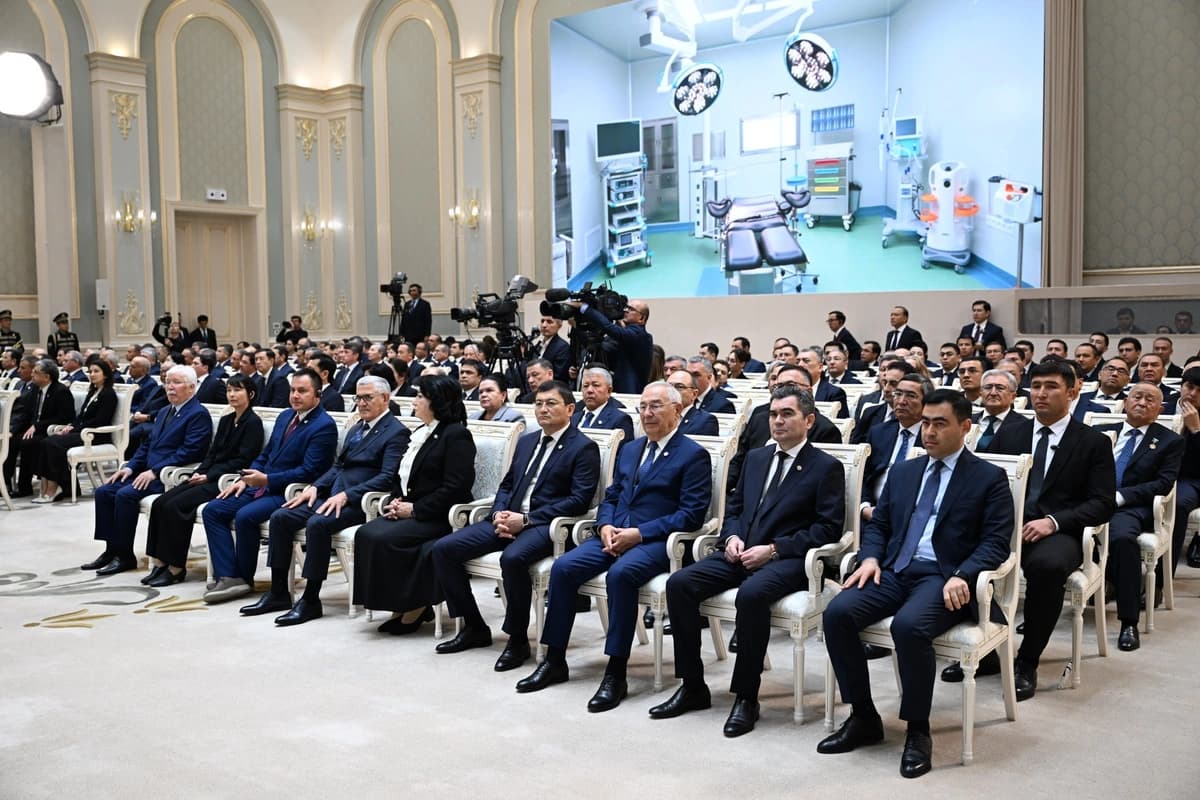
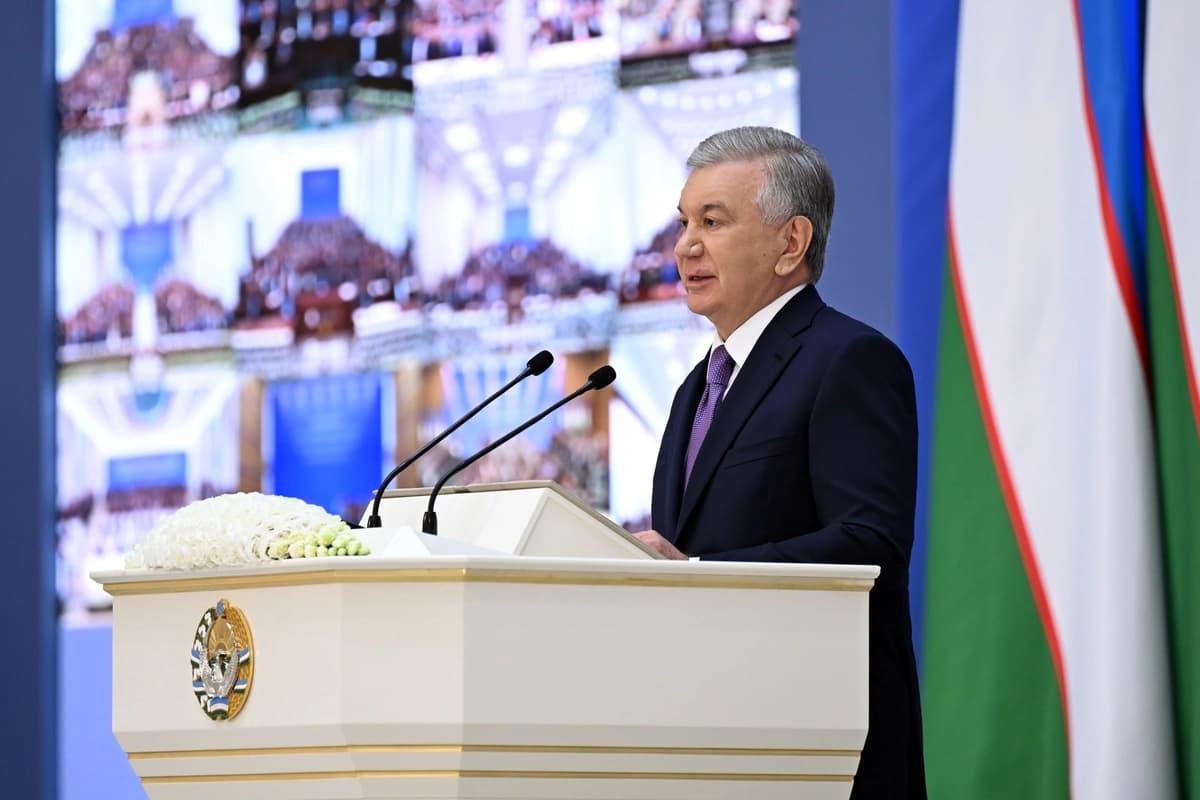
On 27 October, at a meeting with healthcare and pharmaceutical industry workers at the Kuksaroy residence, President Shavkat Mirziyoyev announced plans to expand the guaranteed package of medical care: from 2027, the number of free medicines for outpatients will increase from 69 to 73 items, and the number of types of examinations will rise to 36. Gazeta reports this.
What is known about the current figures
Currently, polyclinics provide 69 medicines free of charge, of which 28 items are issued under the reimbursement programme — from 2027 their number is expected to grow to 69. For comparison, in February 2025 a Health Ministry representative saidthat the guaranteed volume for polyclinics at the place of residence included 28 diagnostic tests and 22 laboratory analyses. Thus, the announced expansion to 36 types of examinations significantly exceeds the previously announced list.
Early disease detection
According to the head of state, a programme for the early detection of stomach, colon, prostate and lung cancer will begin in Samarkand and, from 2028, will extend to all regions; 700 billion soums will be allocated annually for these purposes. Programmes for the early diagnosis of diabetes, tuberculosis, cardiovascular diseases, tumours in women and oncohematological diseases in children will continue.
Heart attacks and strokes
The President also cited the results of the programme for the early detection and treatment of heart attacks and strokes operating in Andijan, Fergana, Namangan, Samarkand and Tashkent: over five months, mortality in the early stages fell by 15%, and 'golden hour' care prevented premature death and severe consequences in 855 people. In 2027, 280 billion soums are planned to be allocated to expand the programme, which is to cover all districts and cities of the country.
New polyclinic model and infrastructure
A new model of primary medical care has been piloted in 28 districts of the country: 7 million residents have been personally assigned to family doctors, the parties' obligations are fixed in mutual agreements, new laboratories have been opened and patient pathways have been developed. From 2027, the model is planned to be introduced in another 100 districts. In addition, over the past ten years, polyclinics and hospitals serving 10 million people have been commissioned, 58,000 new beds have been created, and the volume of medical services has tripled. Today, more than 100 types of complex procedures previously performed only abroad are carried out in the country, including organ transplantation and robotic surgery.