The key facts
- Additional payments: 1.5 million sums for bachelor's degree nurses, 2.5 million for master's degree holders, and 5.5 million for family medicine specialists.
- Starting in 2027, residency training will become free with a monthly stipend of 3 million sums.
- The announcement did not specify the effective date of the additional payments or the conditions required to receive them.
New payments and changes in personnel training
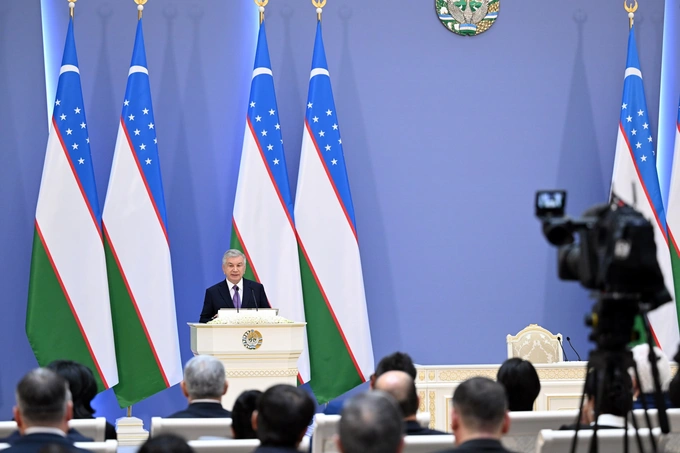
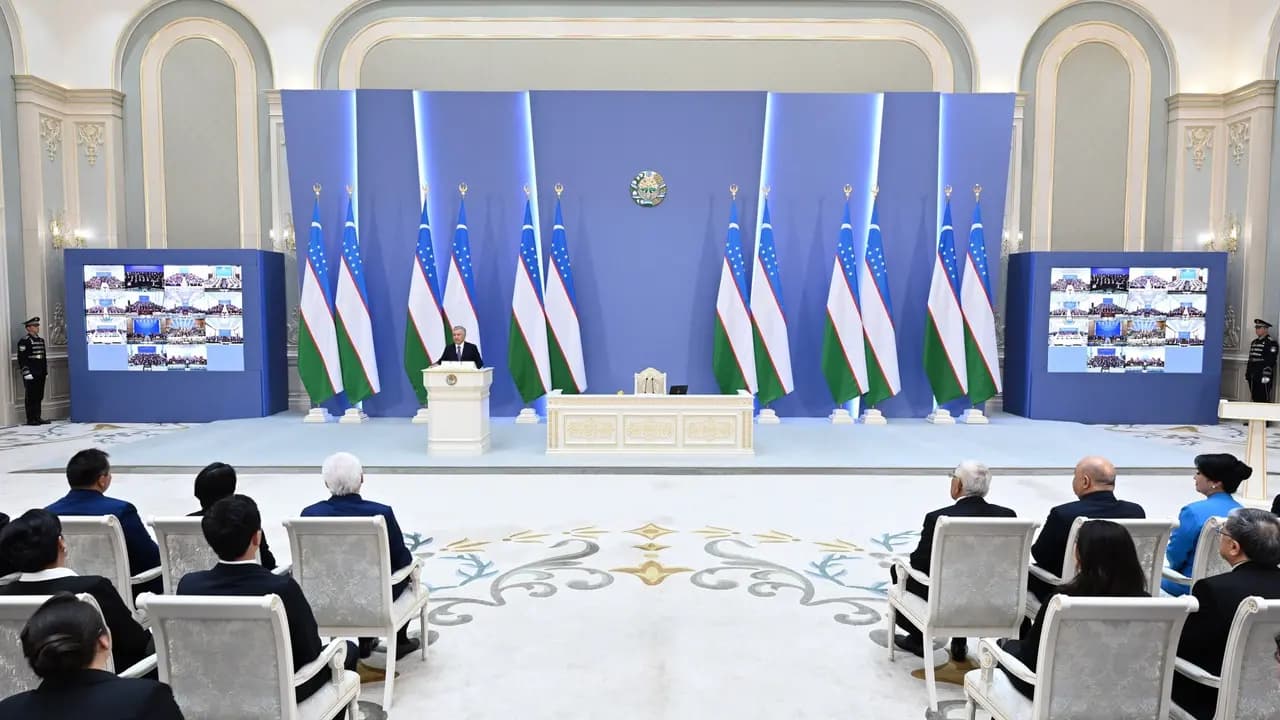
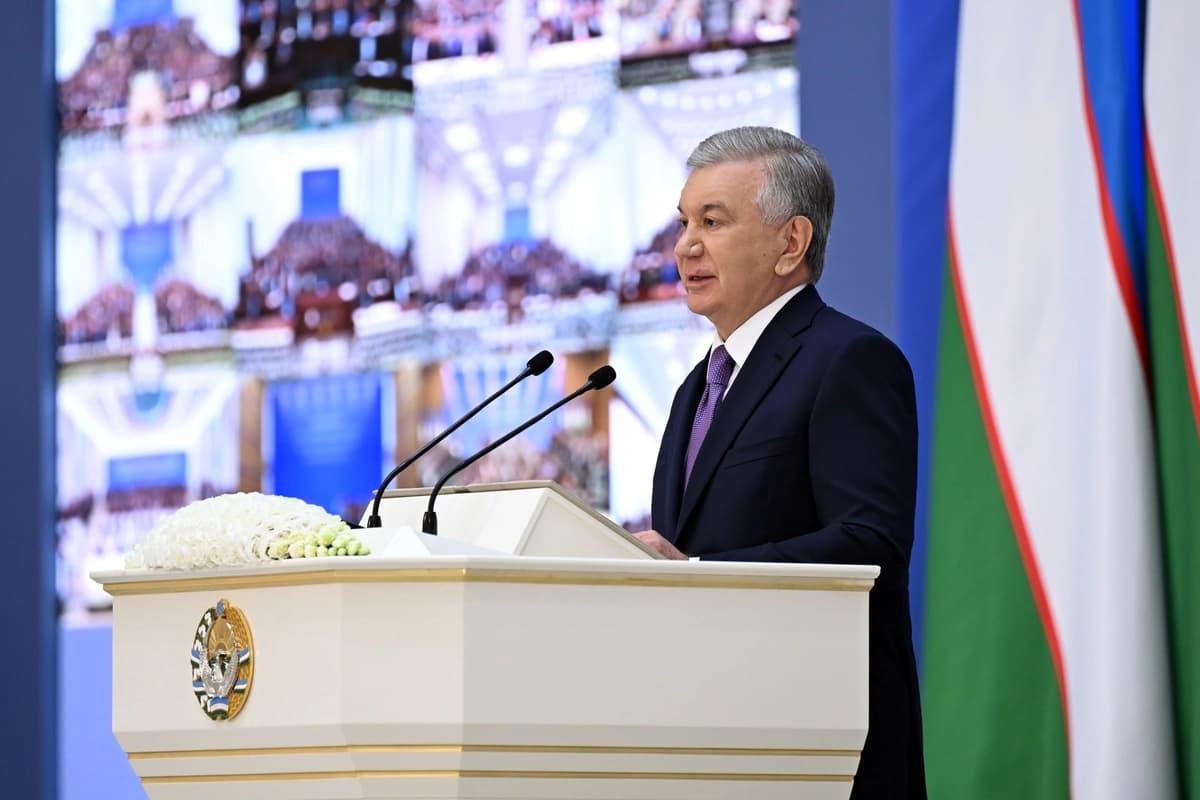
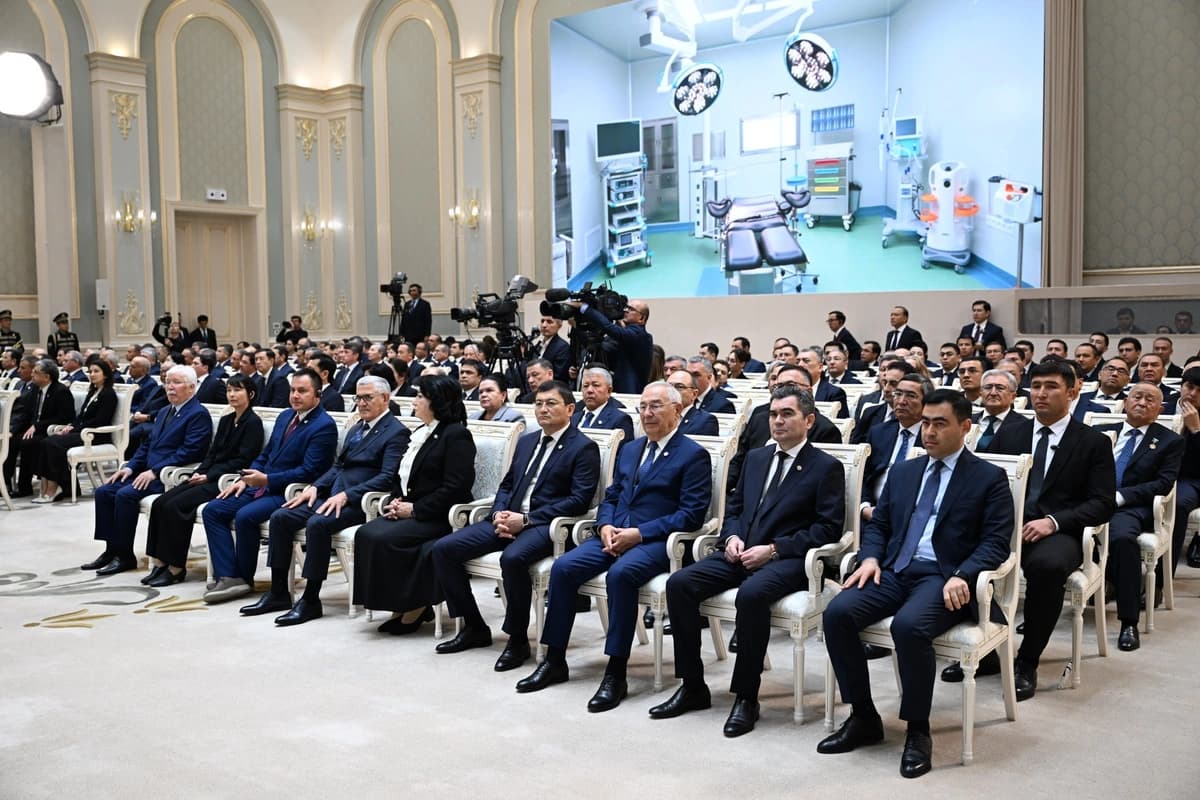
On October 27, President Shavkat Mirziyoyev, during a meeting with healthcare and pharmaceutical workers, announced the introduction of additional payments for certain categories of medical staff and a reform of medical education, according to his press secretary Sherzod Asadov. According to the outlined plans, an additional payment of 1.5 million sums is allocated for nurses and male nurses who have completed a bachelor's degree, 2.5 million sums for those with a master's degree, and 5.5 million sums for narrow-specialty family medicine experts. However, the press secretary's statement, cited by Gazeta, does not specify when the additional payments will take effect or what conditions are required to receive them.
Free residency and practical training starting in 2027
Starting in 2027, residency training in narrow medical specialties will become free, and students will receive a monthly stipend of 3 million sums. Depending on the specialization, residency will last from two to five years: family medicine training will take two years, while surgery will take five. The changes will also affect the education of future doctors: medical university students will spend three days a week learning to work with patients, and in their final year, they will undergo full-scale practical training in medical institutions. The President also noted that 80% of medical research must be conducted in 'university clinics' affiliated with universities.
Standards, competitions, and the Ibn Sina award
The head of state announced the introduction of 'Medical Standards of New Uzbekistan,' covering education, construction and equipment of institutions, sanitary and hygiene requirements, patient safety, and service culture. Primary healthcare staff will be gradually and freely provided with special uniforms. In 2026, regional competitions for the title of best doctor and best nurse at the district level will be held for the first time, with a prize of 30 million sums; in 2027, 14 winners of the regional stage will receive electric cars, and the authors of the ten best projects promoting a healthy lifestyle will receive grants of 200 million sums each. The President also proposed establishing a state award named after Abu Ali ibn Sina for medical workers who have distinguished themselves in protecting public health and implementing scientific developments. According to him, more than 800,000 people work in the medical and pharmaceutical sectors.
What was proposed earlier
Some of the announced measures develop proposals presented to the President as early as September: a transition from the 2027/2028 academic year from the 'General Medicine' direction to a six-year bachelor's program in 'General Medicine' with one year of practical training after five years of study, the creation of a unified electronic registry of medical and pharmaceutical workers, as well as voluntary state registration of specialists starting in 2027 and mandatory registration from 2030. Thus, on October 27, new decisions were announced—additional payments, free residency, and stipends—while the reform of the training program itself remains at the proposal stage presented in September.