The key facts
- From 26 October, almost a kilometre of Oxford Street (about half the street) is permanently closed to traffic
- The street generates around £3.1 billion ($4.1 billion) in spending annually, but, according to the mayor, had been in 'managed decline' for decades
- The project has been criticised by residents of neighbouring areas and disability rights campaigners; the closure of the rest of the street depends on the success of the first phase
Oxford Street closed to cars
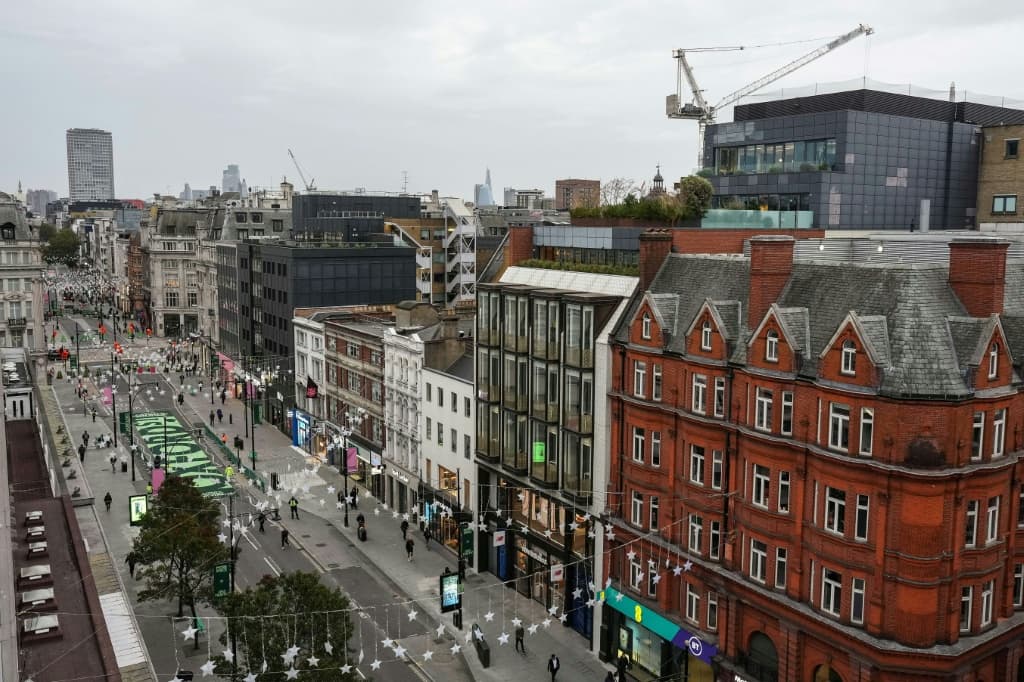
From Monday, a section of London's Oxford Street — one of Europe's busiest shopping districts — has become permanently free of traffic. Pedestrians have taken over the street, where the familiar red double-decker buses and black cabs are no longer visible, AFP reports. According to London Mayor Sadiq Khan, nearly half of the street — about a kilometre — is now car-free. 'This is a landmark day for Oxford Street, and for London too,' he told journalists.
The city hall's motives and the controversy around the project
Khan explained the decision as a desire to support the street's shops, which, according to AFP, generate around £3.1 billion ($4.1 billion) in spending annually but have faced store closures during the Covid-19 pandemic and a loss of visitors as shoppers moved online. 'Over the last couple of decades the street has been in decline — I would say, in managed decline,' the mayor said on BBC Radio 4, adding that he was not prepared to accept the loss of shops and jobs. He also expressed hope that pedestrianisation would increase the number of shoppers, revitalise the street and make the capital 'greener'. The project, however, has proved controversial: as AFP notes, residents of neighbouring areas fear traffic congestion, while disability rights campaigners have criticised the scheme. Khan responded that taxi ranks and bus stops remain near the street, so access to the area will remain convenient.
What's next
So far, roughly half of the street has become pedestrianised; the closure of the remaining section to traffic is planned depending on the success of the first phase, AFP writes. A representative of Selfridges, the department store that has operated on this street for over a century, Mive Wall, called the start of the work 'an exciting new chapter' for one of the world's most iconic shopping streets. The significance of the decision extends beyond a single street: Oxford Street is the British capital's largest shopping hub, and the outcome of the experiment will determine how hundreds of shops and jobs on it develop. For shoppers in practical terms, this means changes to transport routes and a new format of access to the shops, the details of which — in particular, the final length of the pedestrian zone — have not yet been determined.