The key facts
- The Houthis claimed an attack on King Khalid Airport in Riyadh; the facility is largely closed after an attack that killed 13 people
- In Tehran on Monday, delegations of Saudi Arabia, Turkey and Pakistan are meeting with Iranian security adviser Mohsen Rezaei
- Tension is mounting ahead of Israel's election on Tuesday and the US midterm elections next week
New attacks on Riyadh and talks in Tehran
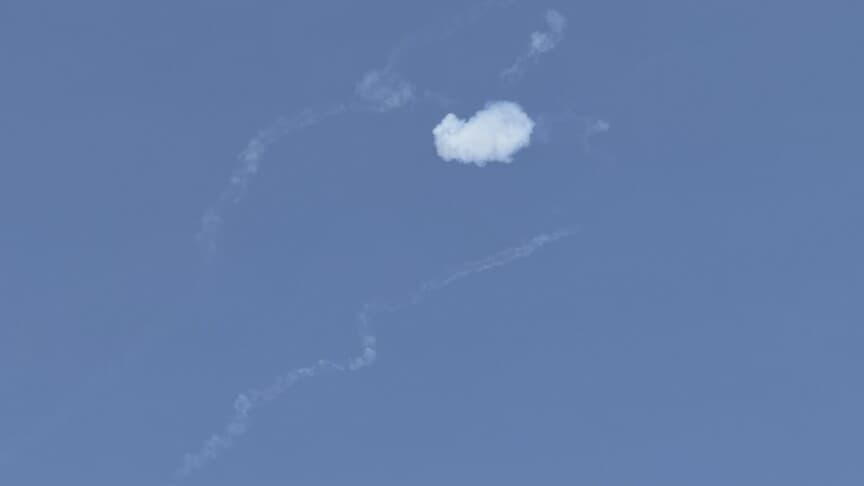
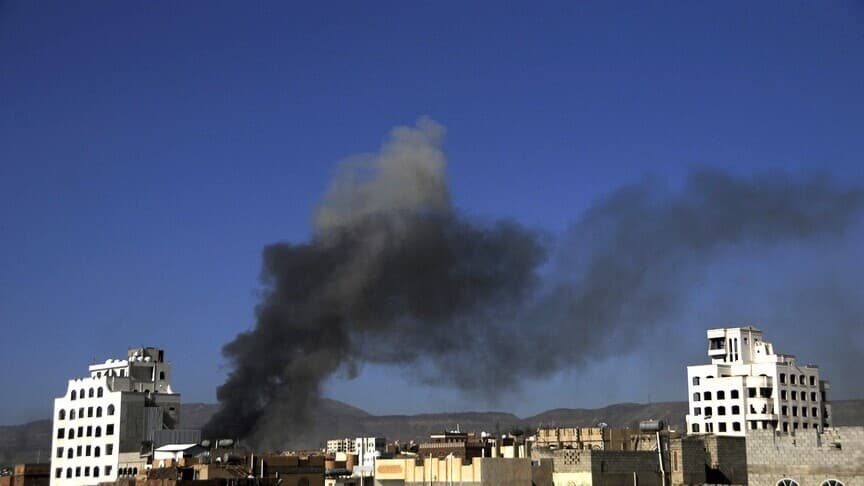
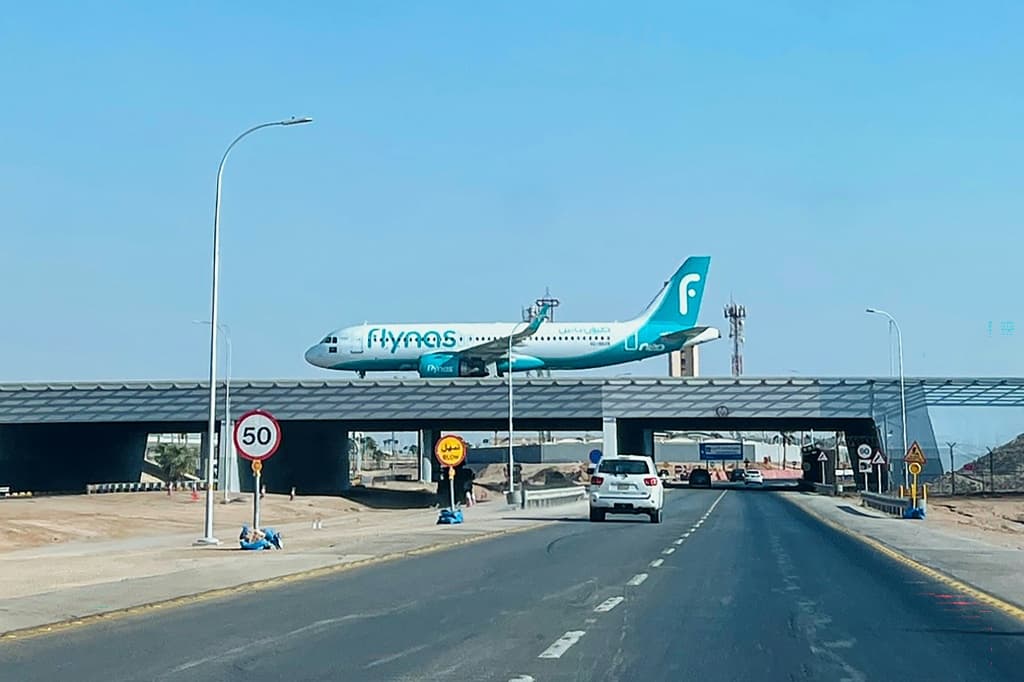
Yemen's Houthis continue their attacks on Saudi Arabia as high-level talks are due to be held in Tehran on Monday with the participation of representatives of the kingdom, Turkey and Pakistan, AFP reports. Overnight, explosions were again heard over Riyadh, and residents of the capital received warning text messages. The Houthis claimed a new attack on King Khalid International Airport in the Saudi capital. The facility, which has been targeted repeatedly, has been largely closed since a major attack this month in which 13 people were killed and more than 300 wounded.
Delegation composition and the context of the alliance
Delegations of the three countries that signed a defense alliance in Mecca in August are heading to Tehran. Saudi Arabia is represented by Defense Minister Prince Khalid bin Salman, Pakistan by army chief of staff General Asim Munir, and Turkey by intelligence chief Ibrahim Kalin. On the Iranian side, as Deputy Secretary of the Supreme National Security Council Ali Bagheri Kani told state television, Security Council Secretary Mohsen Rezaei will take part in the meeting. Saudi security analyst Hesham Alghannam called the meeting, in his words, possibly the last chance for de-escalation before the escalation spirals out of control.
Military operations and mediation
On Sunday, as explosions rang out over Riyadh and authorities warned residents of a 'hostile aerial threat', the Saudi-led coalition reported strikes on missile launchers and warehouses in Yemen. Qatar and Pakistan are mediating between the United States and Iran: a Qatari delegation visited Tehran on Sunday, Iranian Foreign Ministry spokesman Esmaeil Baghaei said, noting that neighboring countries seek to convey a message and put forward initiatives. Andreas Krieg, an expert at the London consulting firm MENA analytica, called Prince Khalid's visit to Tehran an extremely significant signal, noting that the Mecca alliance demonstrates to Iran a readiness to jointly defend the kingdom and its borders.
Background: warnings and domestic politics
The visit follows warnings from the United States, Iran and Israel about a possible resumption of hostilities. Tension is mounting ahead of Israel's election on Tuesday and the US midterm elections next week, in which Donald Trump's Republicans are fighting to keep control of both chambers of Congress. Iranian Foreign Minister Abbas Araghchi said on Sunday that 'there is talk of a new war', but that Tehran's policy has not changed. Trump said on Friday that Washington 'may pull off another little Epic Fury', referring to the US-Israeli campaign against Iran that began on February 28. Israeli Prime Minister Benjamin Netanyahu warned that Iran and its proxies may try to disrupt the Israeli election with attacks, adding: 'Do not test us. You will receive disproportionate strikes'. Channel 12 television, citing unnamed sources, reported a conflict between Netanyahu and army chief of staff Eyal Zamir over an unspecified new directive in the war with Iran; the prime minister denies this.
Why it matters
The events affect the entire Persian Gulf region and global energy markets: Saudi Arabia is the world's largest oil exporter, and its capital and main airport are once again under attack. In effect, the talks in Tehran are the first test of the defense alliance of the three countries signed in Mecca in August, and whether the conflict can be kept from resuming depends on their outcome. It remains unclear how Monday's meeting ended, and neither side has announced any concrete agreements in available publications.