The key facts
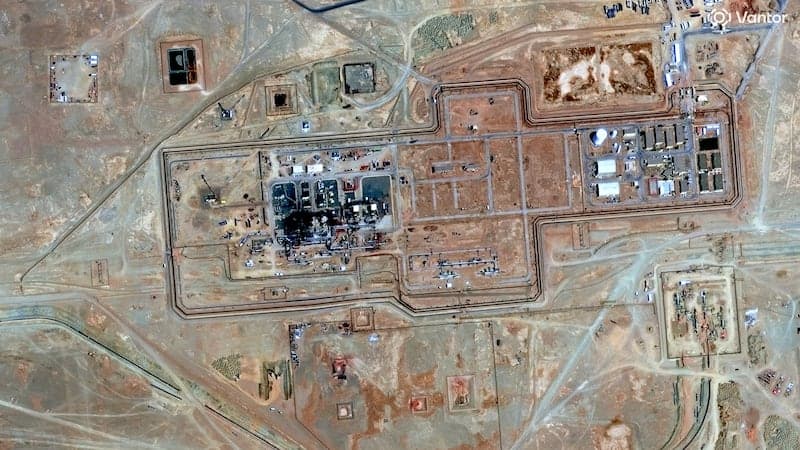
- The coalition said it destroyed two ballistic missile launchers in Sanaa, including the one from which a missile was fired toward Riyadh
- The Houthis claimed attacks on pumping stations of the East–West pipeline and Riyadh airport; no confirmation followed from Riyadh
- The Houthis claimed attacks on pump stations of the East–West pipeline and Riyadh airport; Riyadh has not confirmed this
- Talks between Mecca Pact countries (Saudi Arabia, Turkey, Pakistan) and Iran begin in Tehran on October 26
- Talks between the Mecca Pact countries (Saudi Arabia, Turkey, Pakistan) and Iran begin in Tehran on October 26
Escalation on the front
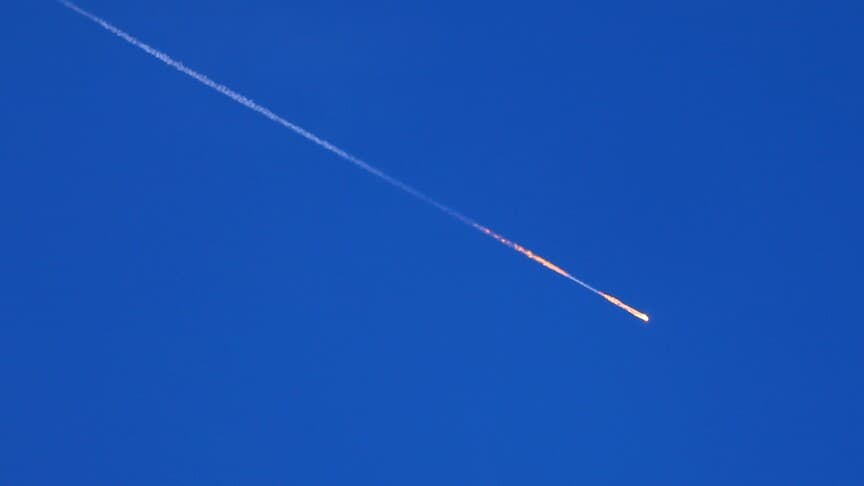
The confrontation between the Saudi Arabia-led coalition in Yemen and the Iran-backed Houthis intensified on Monday, October 26, The National reports. According to the coalition, its forces destroyed two ballistic missile launchers in the capital, Sanaa, including one from which a missile had been fired toward Riyadh and intercepted. Later, the Houthis claimed they had attacked pumping stations on the Saudi East–West pipeline and Riyadh airport, but no confirmation followed from the kingdom. Sanaa has been under Houthi control since 2014, when the group seized the Yemeni capital, triggering the Saudi-led coalition's military intervention in support of the internationally recognized government of Yemen.
Strikes on infrastructure and casualties
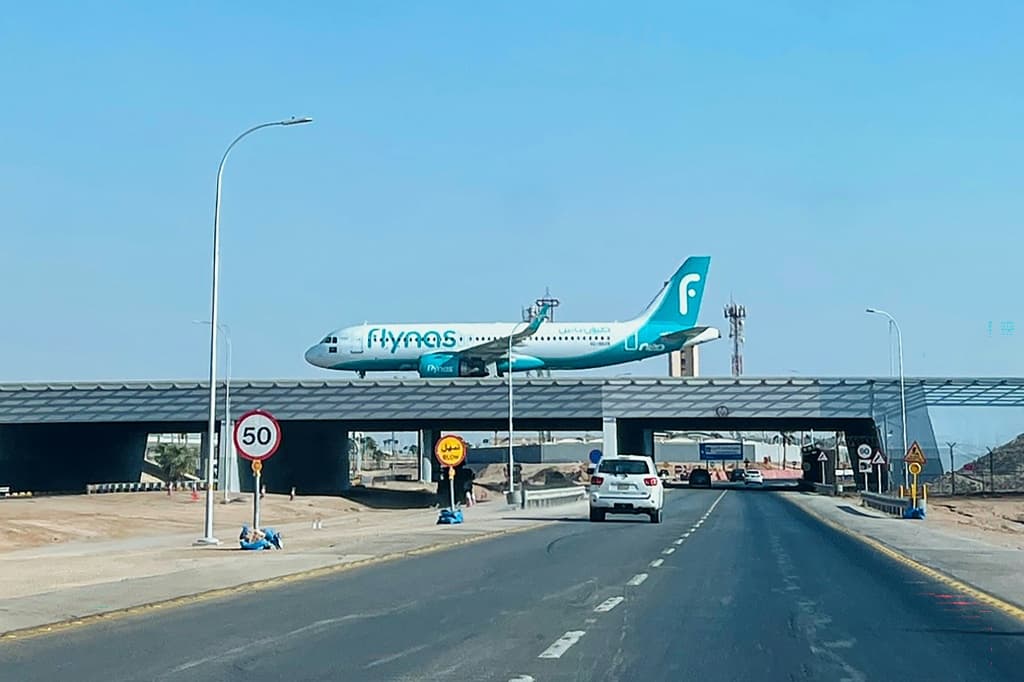
The Houthis have been shelling Saudi airports, ports and oil facilities with ballistic missiles and drones, turning the kingdom into a pressure point in the broader regional conflict. King Khalid International Airport in Riyadh resumed operations at two terminals on Sunday after attacks claimed by the Houthis; this month, according to The National, they killed 17 people. The October 10 airport strike killed 13 people and was the deadliest attack on Saudi territory in more than a decade. In addition, in September the kingdom temporarily shut down the 1,200-kilometer East–West oil pipeline as a precaution after a drone attack that, according to Riyadh and Baghdad, was launched from Iraqi territory. The pipeline remains a key export route for Middle Eastern oil while the Strait of Hormuz is effectively closed due to the war.
Diplomacy in Tehran
At the same time, on October 26 talks begin in Tehran between senior representatives of the Mecca Pact countries — Saudi Arabia, Turkey and Pakistan — and Iranian officials on regional coordination. Saudi Arabia is represented by Defense Minister Prince Khalid bin Salman, Pakistan by Chief of Army Staff Field Marshal Asim Munir, and Turkey by intelligence chief Ibrahim Kalin. Saudi Deputy Foreign Minister for Public Diplomacy Raed Krimly said on X that the visit is aimed at de-escalation and finding diplomatic solutions to the region's crises. This is Iran's first high-level contact with all members of the trilateral bloc since the escalation of attacks on Saudi Arabia; according to Qatari media, a Qatari delegation was also in Tehran on Sunday.
Greek PM's visit to Riyadh
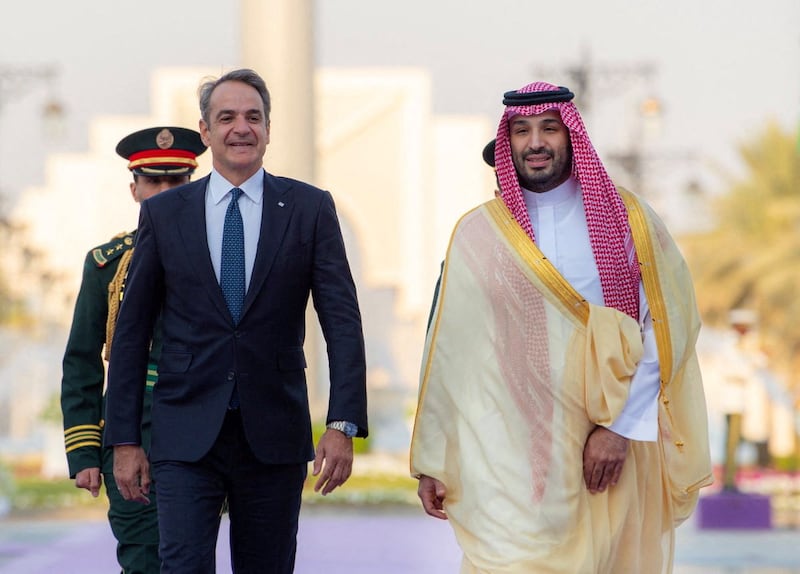
Against the backdrop of the escalation, Saudi Arabia and Greece agreed to strengthen cooperation in security and defense and expressed concern over attacks on energy infrastructure — according to a joint statement published after Greek Prime Minister Kyriakos Mitsotakis visited Riyadh, where he was received by Crown Prince Mohammed bin Salman at Al-Yamamah Palace. The sides emphasized the importance of the strategic partnership: bilateral trade in 2025 reached about $1.7 billion. Riyadh and Athens also agreed to accelerate cooperation on the project to connect Saudi Arabia's power grid with Europe via Greece and to explore exports of clean hydrogen to European markets, as well as to develop cooperation in cybersecurity, counterterrorism, intelligence sharing, artificial intelligence, transport, tourism, education and healthcare.
Why it matters
The events show that the conflict has spilled beyond Yemen and is directly hitting civilian infrastructure and energy routes: the closure of the Strait of Hormuz with the East–West pipeline shut down affects global oil supplies, while casualties among visitors to Riyadh airport — 17 dead in a month — point to risks for civilians. The talks in Tehran are the first contact of this level between Iran and all Mecca Pact countries since the escalation began, and their outcome will determine whether the conflict can be kept from widening. So far there is no confirmed evidence of damage from the Houthi attacks on the oil pipeline and the airport, and the details of the agreements in Tehran remain unknown.