The key facts
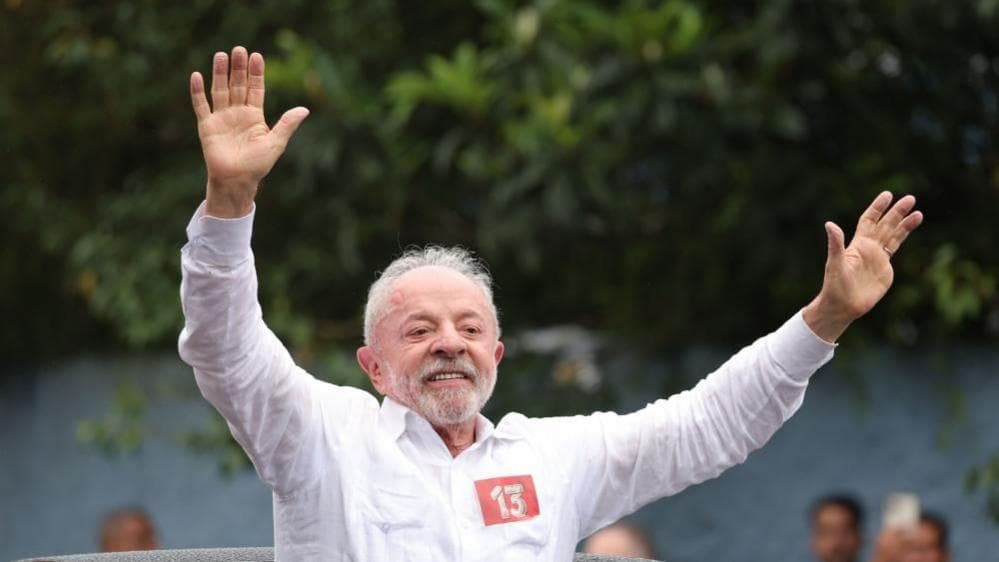
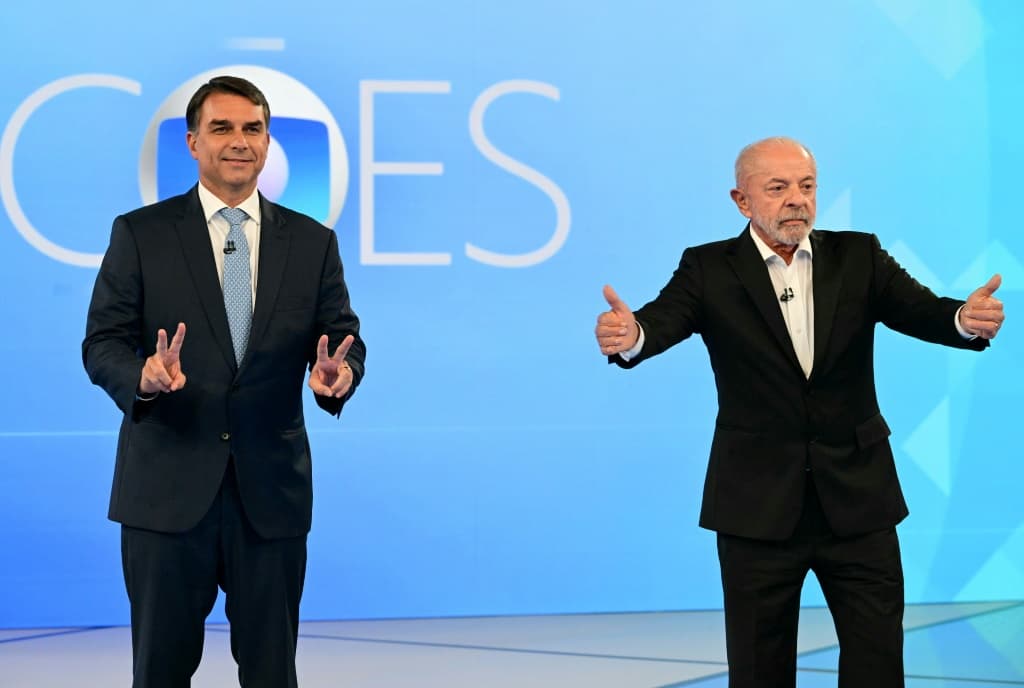
- The runoff pits 80-year-old Lula against 45-year-old Senator Flavio Bolsonaro, son of convicted former President Jair Bolsonaro.
- Bolsonaro took first place in the first round on October 4; 33 million voters did not vote then.
- The campaign was marked by accusations of interference by the US and Meta, which the sides reject or use against their rivals.
The runoff has begun
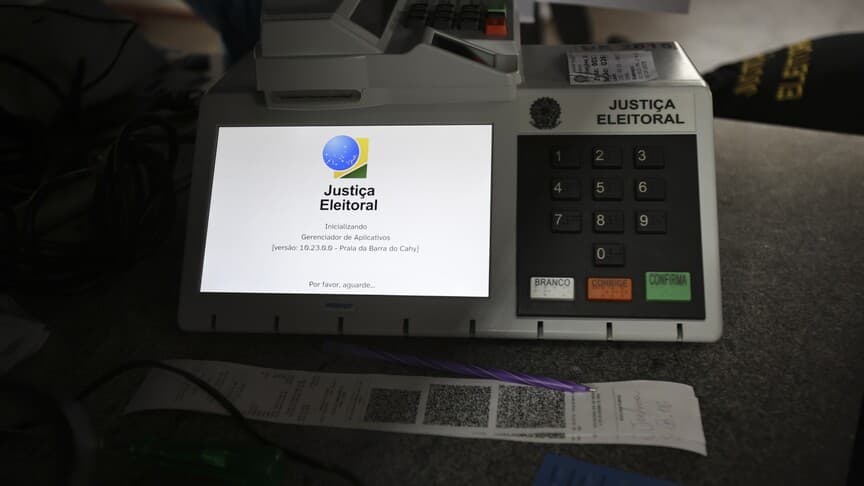
Polling stations have opened in Brazil, where voters are choosing a president in a runoff election. Two candidates are on the ballot: 80-year-old incumbent left-wing President Luiz Inacio Lula da Silva, seeking a fourth non-consecutive term, and 45-year-old right-wing Senator Flavio Bolsonaro — the son of former President Jair Bolsonaro, who was sentenced to more than 20 years in prison for plotting a coup after his defeat in the 2022 election. According to BBC News, Bolsonaro is currently under house arrest for health reasons.
The candidates' positions
Bolsonaro won the first round on October 4, and BBC News notes that these are 'elections he cannot afford to lose': no candidate who trailed after the first round has ever managed to turn the situation around in the runoff. Donald Trump called the first-round result a 'very big' victory. Bolsonaro voted in the morning in Rio de Janeiro, telling journalists that 'the time for real change has come.' His campaign platform includes a tough fight against organized crime, tax cuts and reduced government spending, as well as a promise to free his father. On Saturday, Lula spoke before a crowd of thousands on Copacabana beach, calling the election a matter of 'sovereignty,' and urged his supporters to turn out at the polls — 33 million people did not vote in the first round.
Contentious storylines of the campaign
The campaign was accompanied by sharp accusations. Lula's administration accused the United States of interfering in the election — Washington called these accusations baseless, while Lula himself said his rival should be disqualified over alleged interference by Meta, as reported by BBC News. Lula and his Workers' Party frame the election as a 'battle for democracy,' pointing to Jair Bolsonaro's conviction as proof of the threat 'Bolsonarism' poses to democratic institutions. Bolsonaro, for his part, reminds voters of the financial scandals that have dogged Lula's party for years. Lula's relations with Trump during the current term have been tense: the Brazilian president emphasized that the country 'does not fit into anyone's backyard' — a clear reference to Trump's 'Donroe Doctrine' on US dominance in the Western Hemisphere.
What's next
Lula plans to watch the results in the evening in Sao Paulo, Bolsonaro in the capital Brasilia, where his father is under house arrest. The editorial conclusion from the facts presented: the outcome of the runoff will determine not only the head of state but also the fate of the convicted former president, since the promise to free his father has become one of the points of Flavio Bolsonaro's platform. For voters, it is also a choice between two models of relations with the US — a confrontational one under Lula and a cooperative one under Bolsonaro on issues of fighting criminal groups. Final results were not known at the time of publication.
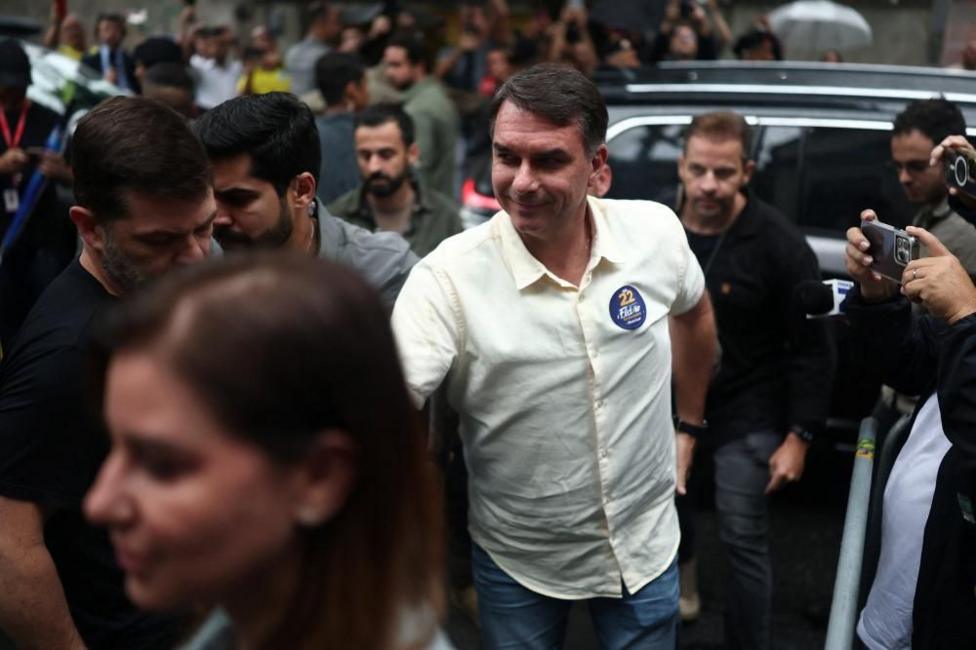 Image source, Reuters
Flavio Bolsonaro, accompanied by his wife, arrived at a polling station in Rio de Janeiro to cast his vote on Sunday morning
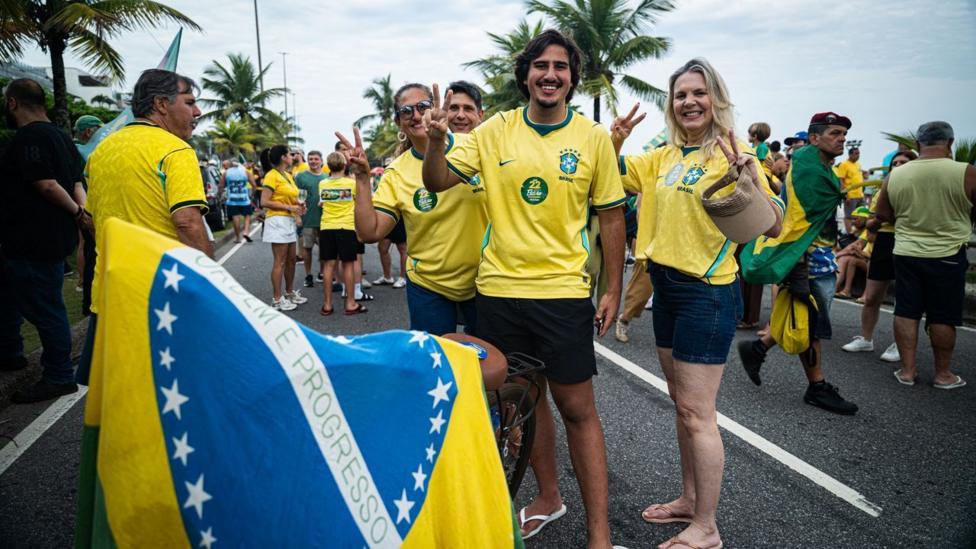 Image source, Paulo Kobayashi/BBC
Bolsonaro supporters rallied in Rio on the eve of the election
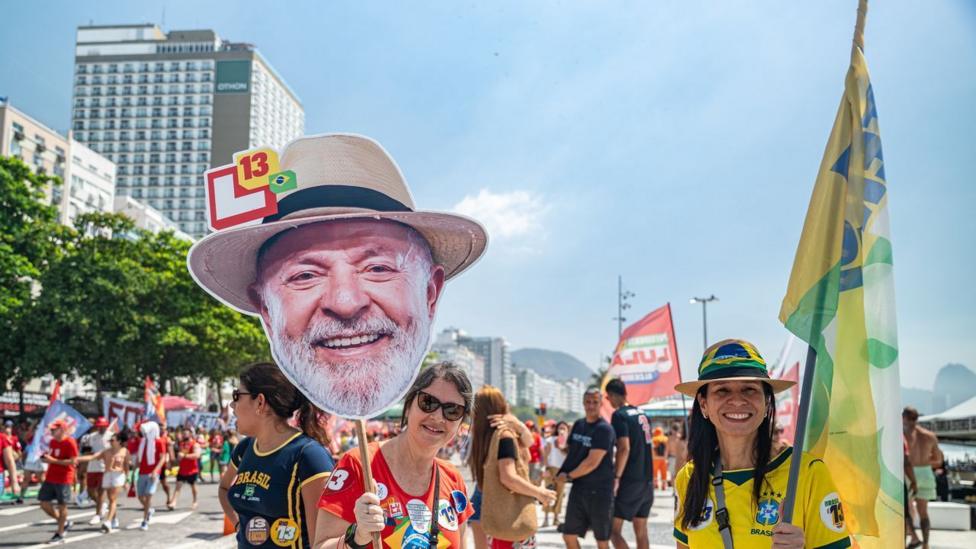 Image source, Paulo Kobayashi/BBC
Lula supporters also turned out in Rio