The key facts
- Moscow's airports were closed almost daily in October, sometimes for up to nine hours (Agentstvo).
- In early September Zelensky announced plans to close the airspace around Moscow and sent a warning to ICAO.
- DW experts: Russian air defense is not fully effective, the risk of incidents with civilian aircraft is growing, as with the Azerbaijan Airlines flight in 2024.
Moscow's airports regularly halt operations
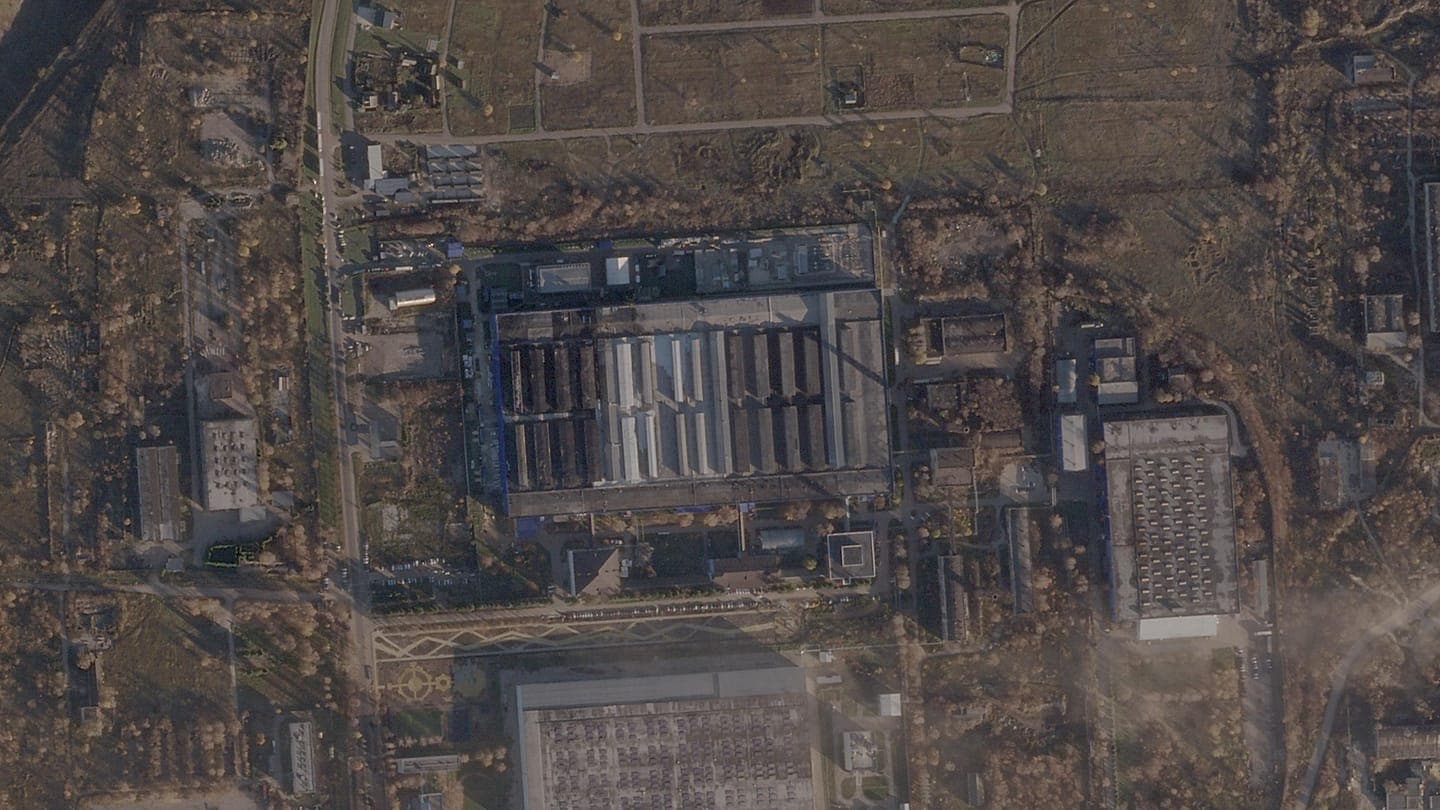
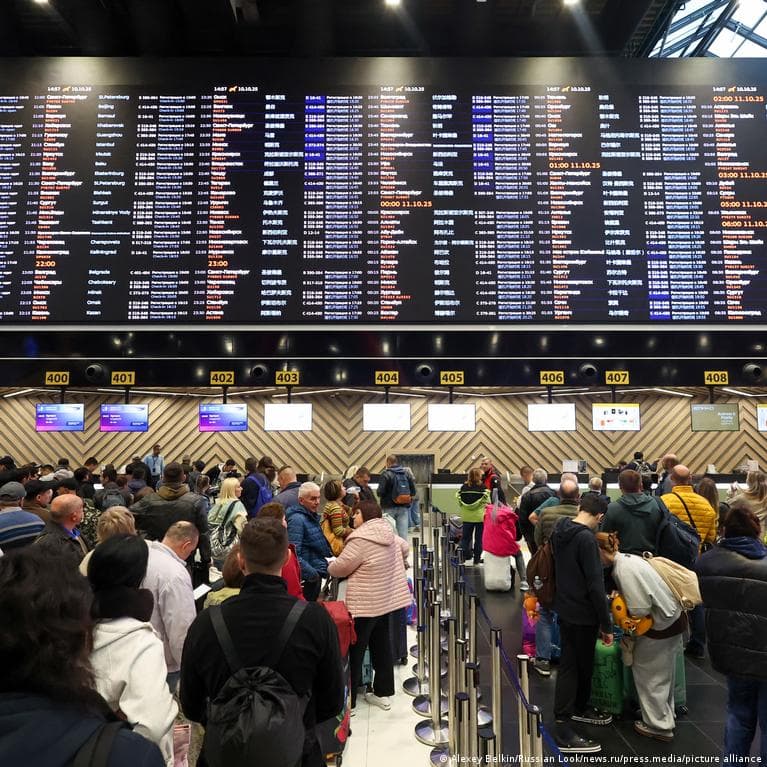
Ukraine's drone attacks have for several months been forcing flight suspensions at Russian airports. According to the independent investigative outlet Agentstvo, in October Moscow's Domodedovo, Sheremetyevo, Zhukovsky and Vnukovo were closed almost daily, and on some days for up to nine hours. Sheremetyevo remains Moscow's busiest airport.
Kyiv's plan: make Russian skies unsafe
In early September, President Volodymyr Zelensky announced that Ukraine intends to close the airspace around Moscow and other destinations: «Today we would like to warn every airline using Russian airspace, every insurer, and everyone who continues to use major Russian airports: Russian airspace will become completely unsafe». The next day, Ukraine sent a corresponding warning to the International Civil Aviation Organization (ICAO). Ukrainian airspace has been closed since the start of Russia's full-scale invasion in February 2022.
The 'carpet' protocol and expert assessments
Rosaviatsia uses an emergency 'carpet' protocol: when airspace is violated, weapons are used, or unidentified objects appear, the sky over the region is immediately closed to all traffic. Alexander Lanetsky, head of the consultancy Friendly Avia Support, explained to DW that every drone is formally a military threat, and recalled that Yemen's Houthis managed to seriously disrupt Saudi Arabia's airspace — in his view, Ukraine's military capabilities are significantly higher. Military analyst Jan Matveev believes that simple drones without a warhead and with limited range are enough to trigger a 'carpet', and that Ukrainian industry is capable of producing hundreds of combat-capable long-range drones per day. According to him, the Armed Forces of Ukraine «remain committed to this idea», although Russian airspace has not yet been fully closed. In October, The Atlantic, citing informed sources, wrote that Ukraine's efforts to close Russian skies «are only beginning».
Risks to civil aviation
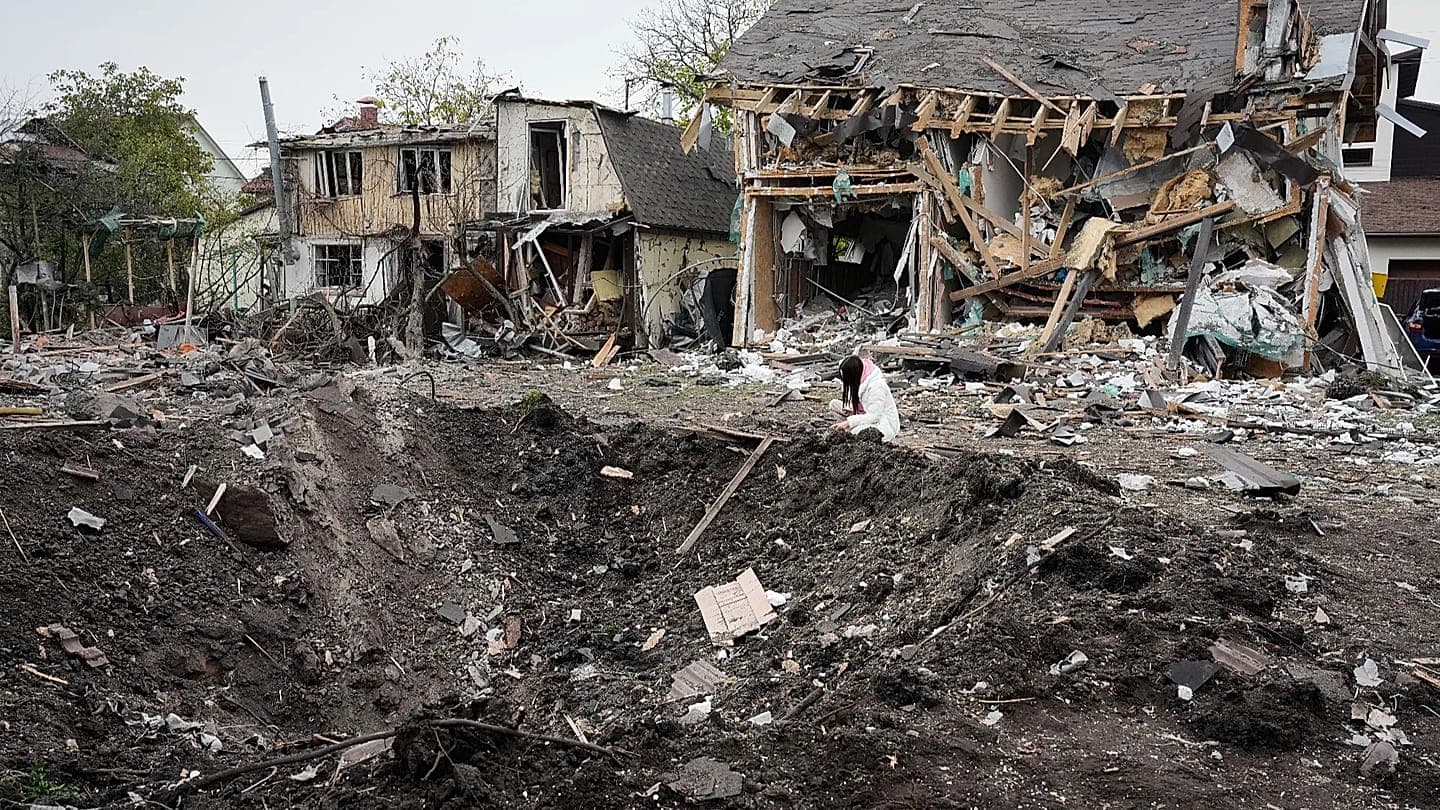
Matveev believes that Russian air defense is not fully effective against Ukrainian drones: «If they could be shot down, it would already have been done», and added that if additional forces were available, they would have been deployed. Lanetsky warned that Russia may lower the threshold for declaring a 'carpet', which increases the risk of tragedies like the crash of Azerbaijan Airlines flight at Christmas 2024: according to the investigation, the plane was hit by a Russian anti-aircraft missile used against drones; 38 people died. Matveev noted that the air defense protocol has changed little since then. When engaging low-flying drones with machine guns, the risk to aircraft is minimal, but the use of anti-aircraft missiles significantly increases it: due to defects inevitable in mass production, a missile may veer toward a nearby aircraft. Even a drone without explosives is dangerous in a collision, and a drone that reaches Moscow, by Matveev's estimate, weighs tens of kilograms. In the summer of 2023, Ukraine's Armed Forces attacked Pskov airport, where military and civilian aircraft were stationed; in early October, drone debris fell on Sochi airport. Russia, in turn, attacks Ukrainian airports: in September Zelensky reported strikes on the Kyiv airport and Boryspil.
What will happen to international airlines
Lanetsky named three factors determining whether foreign carriers will leave Russia: the military threat, demand, and the cost of insurance. With a high risk assessment, insurers may sharply raise tariffs, which would lead to higher ticket prices. Competition in the Russian aviation market has already shrunk due to the departure of many airlines, which has increased demand for flights by the remaining foreign carriers. «Whether they stay or not depends on the price they will have to pay for facing danger», he concluded.