The key facts
- From October 7 to 18, three Yandex facilities (Sasovo, Kaluga, Vladimir), Sber's data center in Balakovo and VK's data center in Leningrad Region were hit
- The companies did not disclose the scale of the damage; recovery could take months or years (Mikhail Klimarev, AP)
- Yandex supercomputers run on Nvidia A100, which Russia cannot legally import; analysts speak of a delay in AI development
A series of strikes on Russian data centers
In October, Ukrainian drones hit five data centers of Russia's largest technology companies, which, according to reports, caused mass outages of cloud services, payment systems and navigation apps across the country. According to Euronews, citing the Ukrainian armed forces, a Yandex facility in Sasovo (Ryazan Region) was attacked on October 7, one in Kaluga on October 9, and one in Vladimir on October 11. On October 14, a strike hit Sber's data center in Balakovo (Saratov Region), and on October 18 — the VKontakte data center in Leningrad Region near St. Petersburg.
Outages and damage assessment
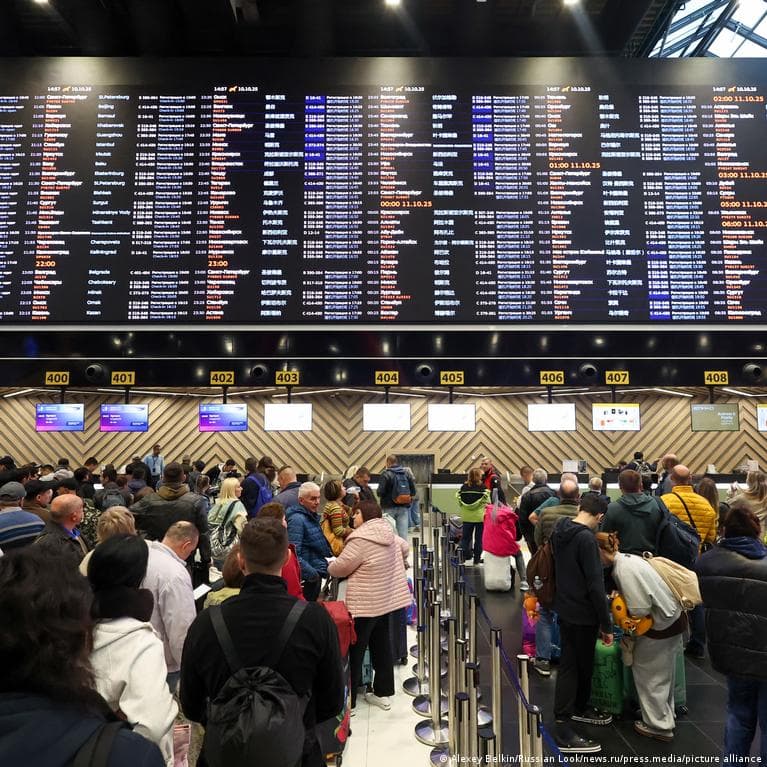
Yandex, Sber and VKontakte provide a significant share of Russia's consumer internet segment — from taxi services and card payment processing to cloud storage and messengers. None of the companies disclosed the scale of the damage. Users reported persistent difficulties paying for goods, ordering taxis, navigating and accessing the cloud. Mikhail Klimarev, head of the Internet Protection Society, told AP that restoring the infrastructure could take months or years, and that the strikes set back the development of Russian artificial intelligence.
Vulnerability and consequences for AI
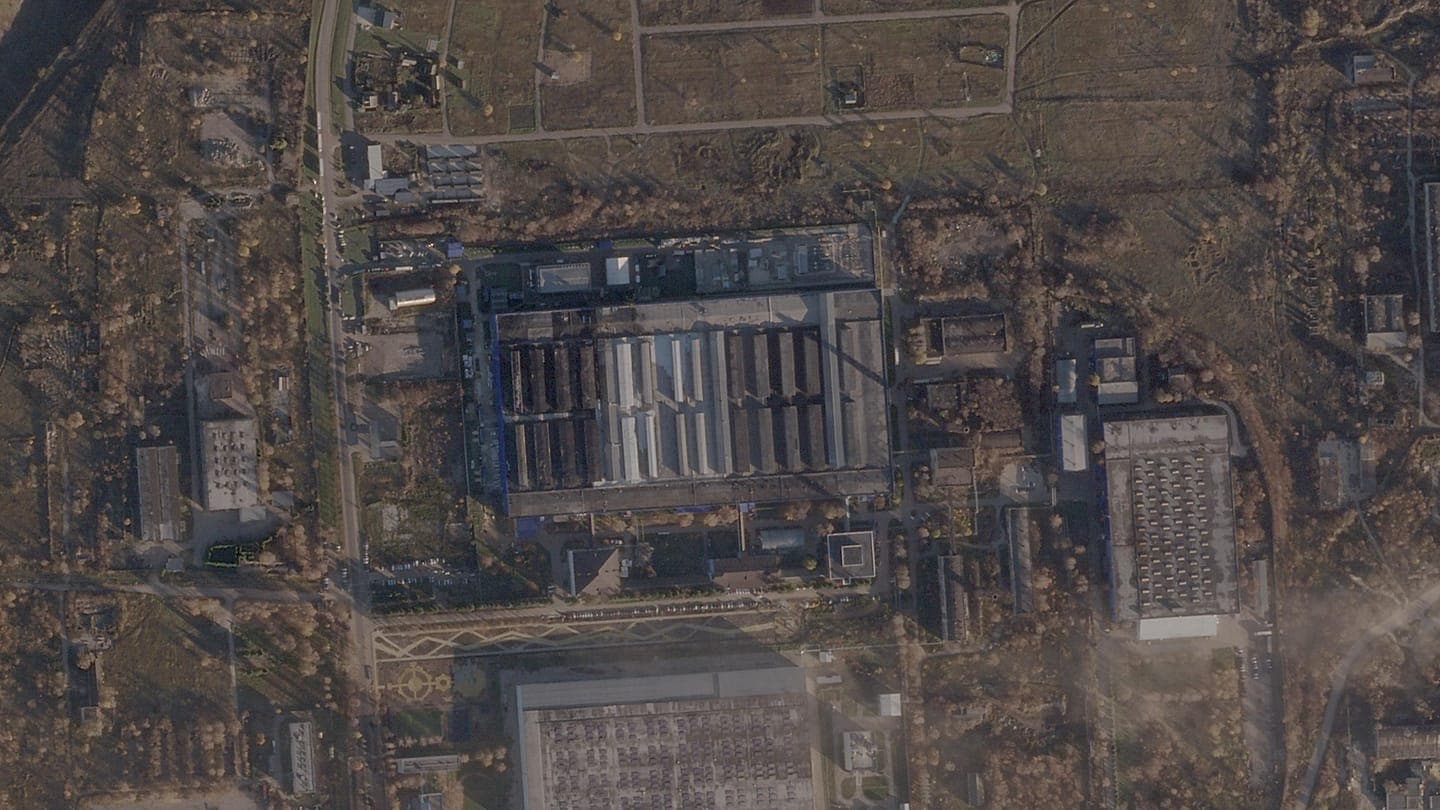
Analysts call such facilities vulnerable targets: vast halls filled with servers, power systems and cooling systems, where even a small charge causes serious damage. Satellite images of the hit Yandex facilities show fires that could have destroyed microchips and fragile components. 'After such a strike it is hard to expect anything to have survived: data center equipment is fragile, demanding and expensive. Soot from fires is extremely harmful to electronics,' Klimarev told AP. For Russia's AI ambitions, the damage to Yandex is especially significant: three of the company's supercomputers are in the global TOP500; the most powerful one, located in Sasovo, once ranked 19th in the world but later dropped below the hundredth position. Connor Martin of the Council on Foreign Relations noted that the strikes will likely further delay the development of Russian AI, which was already lagging behind the US and China by several years. Recovery is complicated by Western sanctions and chip shortages: Yandex's supercomputers run on Nvidia A100 processors, which Russia cannot legally import.
Retaliatory strikes on Ukrainian infrastructure
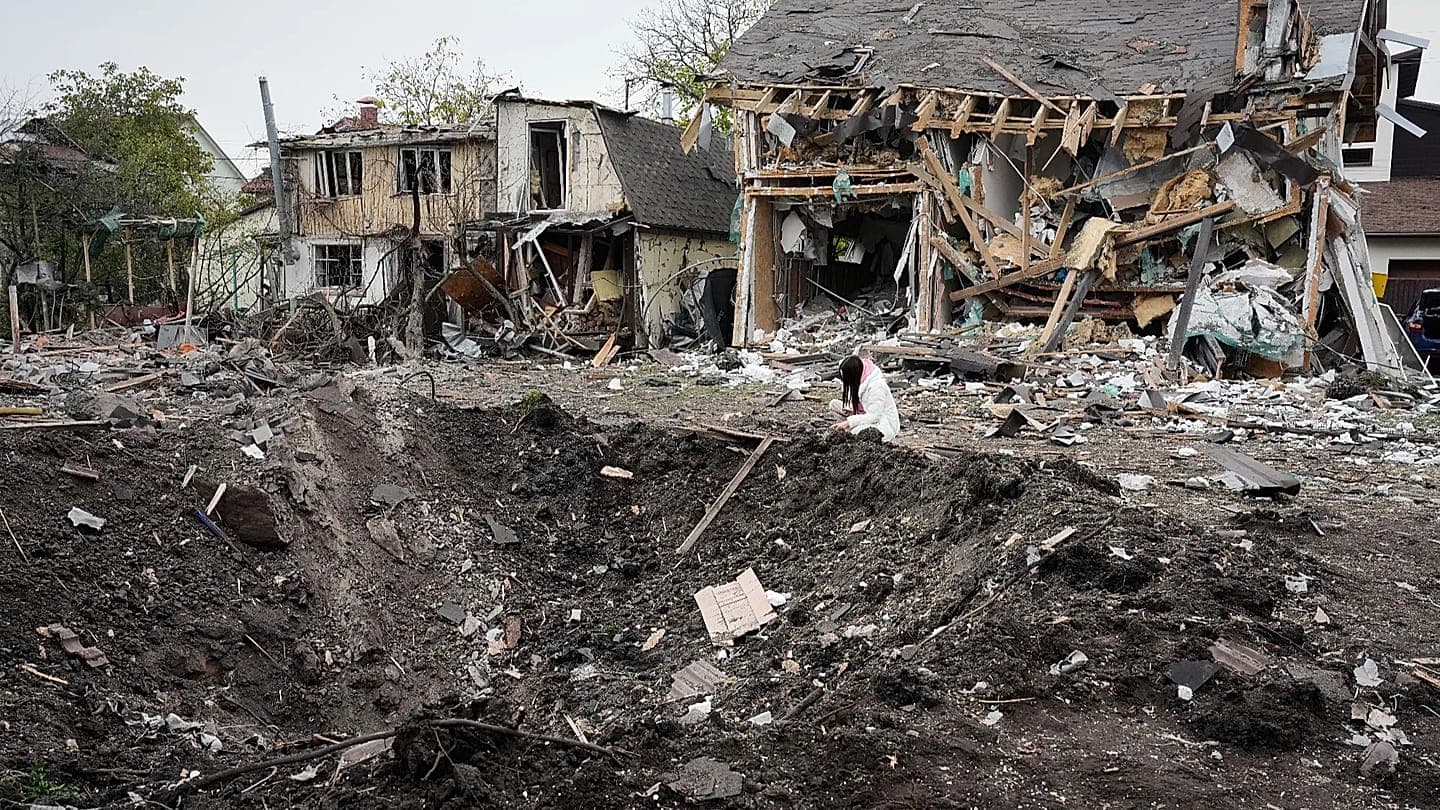
The attacks came against the backdrop of Russia itself systematically striking Ukrainian data centers this fall. On October 19, a Russian strike completely destroyed one of the largest facilities of operator Datagroup in Kyiv — it has been declared beyond repair. The next day, Kyiv's GigaCenter was damaged; a number of other Ukrainian data centers were hit in September and October. In July, a strike on a Kyiv data center disrupted internet, mobile service and television in the city. Since the start of the full-scale invasion on February 24, 2022, when cruise missiles hit a government server facility, and the March 1 strike on the National Data Backup Center in Kyiv, Ukraine has moved most of its data to servers in European countries, which has limited the effect of subsequent attacks.
'Sovereign internet' and air defense shortages
In analysts' view, Russian data centers are more vulnerable than Ukrainian ones: 'sovereign internet' legislation requires all data to be stored on servers within the country, and such concentration makes targets easier to hit. 'Russia's problem is that it needs to provide air defense over a huge territory, and it lacks the resources to do so. Since all the infrastructure and all the data are located inside Russia, they are relatively easier to take out,' said Nick Reiners, senior geotechnology analyst at Eurasia Group. Why air defense did not protect Russian data centers or failed to do so was not explained.
Possible consequences for internet policy
Klimarev suggested an unexpected consequence for Russian internet policy: 'Paradoxically, the attacks on data centers saved the Russian internet from isolation, because companies will now be forced to move their computing resources, most likely, to Europe.' According to him, many Russian companies are likely exploring the European market for renting computing capacity, and the authorities may soften the tightening of internet controls to limit economic damage.