The key facts
- Kelvingrove removed the mummy of the priest Necht, as well as a head, foot and hand from the Valley of the Kings
- The Hunterian Museum covered the body of Lady Shep-en-Hor with cloth; the sarcophagus remains on display
- The decisions follow the revision of the Icom code of ethics, but there is no unified approach in Scotland
What happened
Two Glasgow museums have removed mummified remains from Egypt from public access on ethical grounds. At Kelvingrove Gallery, the mummified body of the priest Necht was taken out of the display, while the Hunterian Museum covered the body of Lady Shep-en-Hor with specially designed textiles so that visitors could not see it. Both institutions explained the decisions by a reconsideration of their duties towards the dead.
Kelvingrove's decision
Glasgow Life, which manages Kelvingrove, said it removed the painted sarcophagus containing the remains of Necht 'in the absence of consent from the deceased or their ancestors'. Necht is believed to have lived approximately between 1985 and 1797 BC; his remains were found during excavations at Beni Hasan in Middle Egypt in the early 20th century and were given to the city of Glasgow in 1923. In addition, a mummified male head, right foot and right hand, found in the Valley of the Kings in Luxor, were removed from public access. A Glasgow Life spokesperson noted that the removal 'reflects contemporary museum practice', and that a new draft policy on human remains proposes displaying them only 'where there is documented informed consent from the deceased or, where appropriate, their descendants'. According to the spokesperson, the parliamentary group on the repatriation of African heritage had pointed to ethical problems with such display due to the 'ongoing disregard' of the possible wishes of the ancestors who buried the dead. The institution stated: 'We believe that removing ancient Egyptian human remains from display is more respectful towards the dead'.
The Hunterian Museum's decision
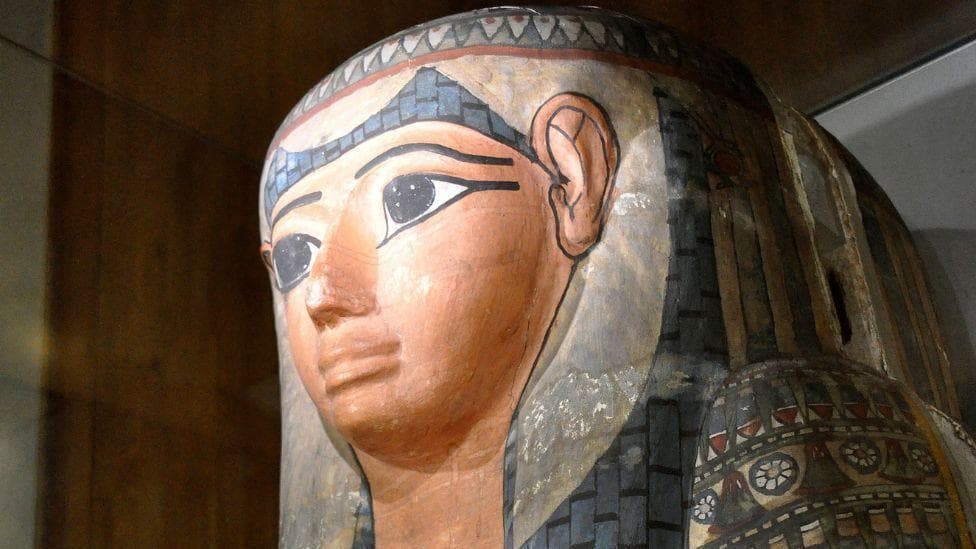
The Hunterian Museum, managed by the University of Glasgow, said it had consulted Egyptologists before covering the remains of Lady Shep-en-Hor, as part of its 'commitment to becoming a more ethical institution'. According to the conclusion of the consultation, Lady Shep-en-Hor 'deserves privacy in death'. Her richly decorated sarcophagus, displayed almost continuously since 1820, will remain on view as 'a fine example of funerary art from the late period of Ancient Egypt'. The body was never removed from the sarcophagus, but over the past 50 years it has been examined using X-ray and CT scans. In the 1970s, theories were put forward questioning whether the remains in the sarcophagus really belong to Lady Shep-en-Hor: the museum noted that 19th-century excavators sometimes swapped remains between different sarcophagi, placing better-preserved ones in the most intact or richly decorated ones.
Context: the new Icom code and different approaches
The decisions followed the June revision of the code of ethics of the International Council of Museums (Icom), which recommends that museums 'uphold the inherent dignity of human remains and foster respect for their significance'. The code also states that decisions about such objects and collections should be made in collaboration with descendants or the communities from which they originate, if they are known. Professor Steph Scholten, a member of the Icom ethics committee, explained that the code is guidance, and the final decision rests with each institution: 'The code of ethics does not prescribe removing all human remains from display'. Despite the new code, there is no unified approach in the Scottish museum sector — institutions have been given freedom in applying it. A National Museums Scotland spokesperson said the organisation is not considering changes to the display of human remains in its collection, which includes Scottish archaeological finds as well as mummified people from Egypt and Peru.
Possible repatriation
Both Glasgow museums said they would consider repatriation of the remains if a request is received from a country or institution.
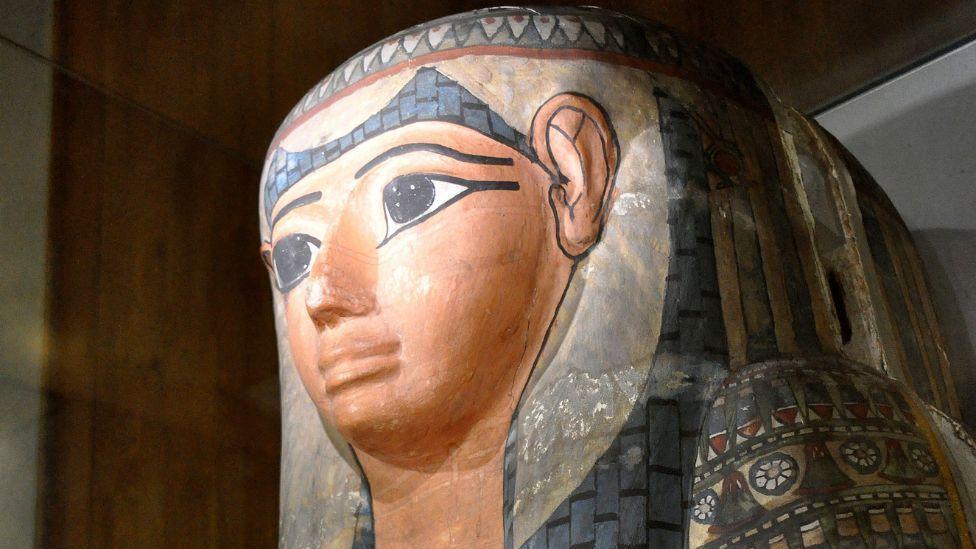 Image source, Wikipedia Commons
Lady Shep-En-Hor's sarcophagus on display at The Hunterian Museum in Glasgow
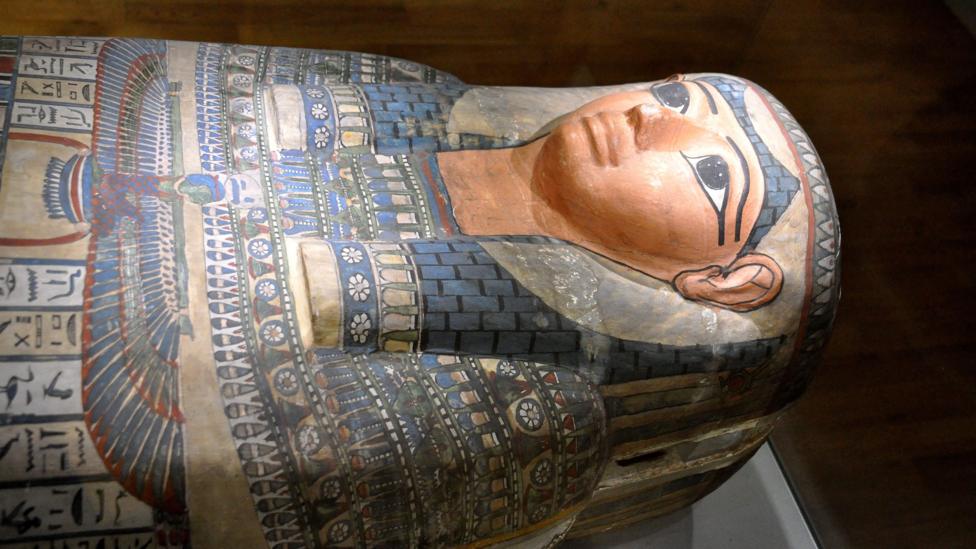 Image source, Wikipedia Commons
The Hunterian Museum said the decision to remove the sarcophagus followed a reassessment of their duty of care towards the deceased
 Image source, Getty Images
Kelvingrove Museum removed mummified Egyptian remains from its display because it was not possible to obtain consent from the deceased or their family