The key facts
- Tesla plans to sell the Cybercab to customers from late 2026, starting with small volumes
- All current Cybercabs are designated for Tesla's own robotaxi fleet
- NHTSA is investigating the Cybercab's compliance with FMVSS standards; steering-wheel-free vehicles are not yet provided for by regulations
Tesla announces Cybercab sales
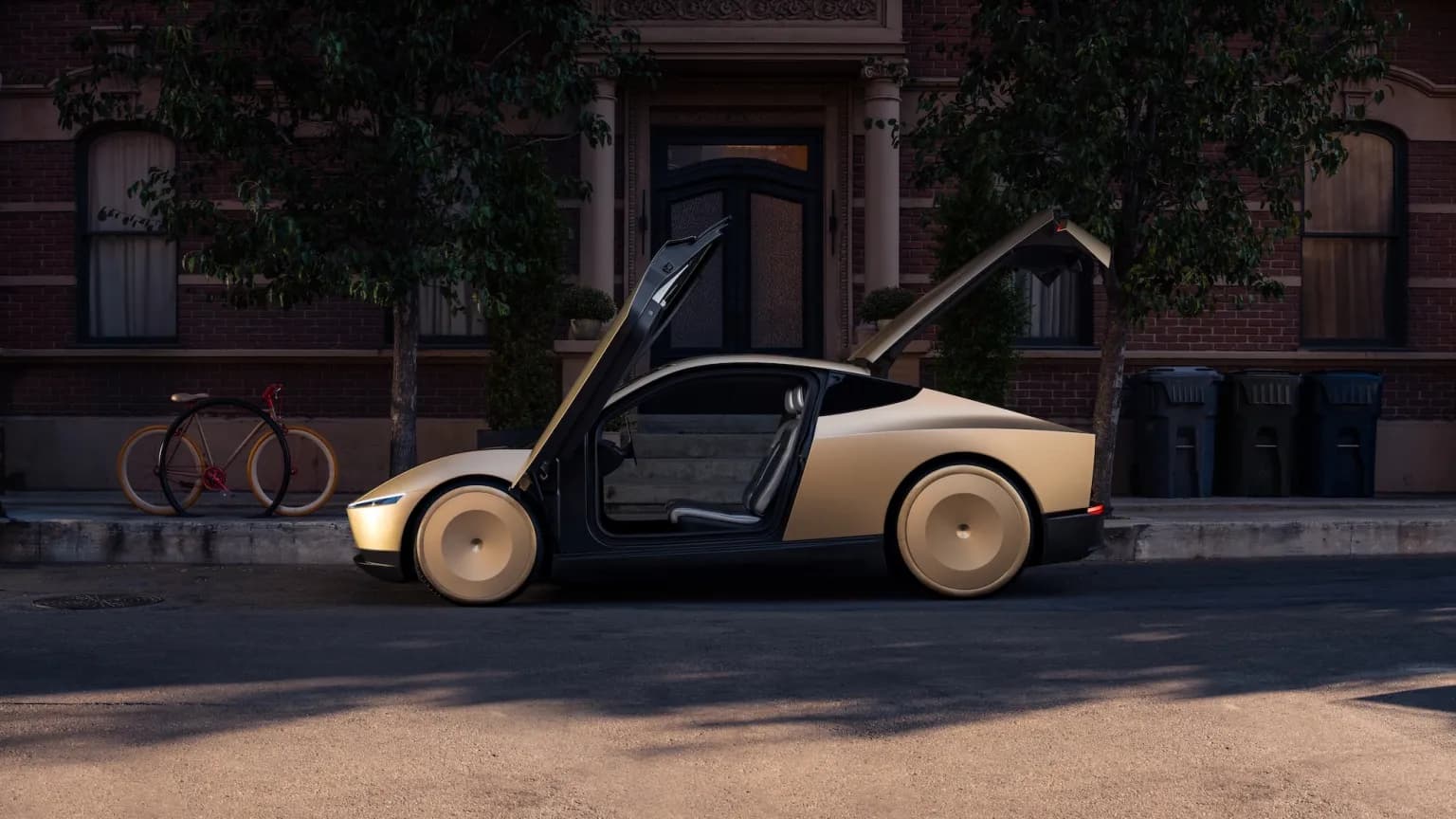
On the third-quarter earnings call, Tesla's vice president of engineering Lars Moravy said the company will begin selling the two-seat autonomous Cybercab to customers by the end of the year. According to him, all Cybercabs currently being produced are designated for Tesla's own robotaxi fleet, and as it grows the company will 'mostly supply fully designed autonomous vehicles to our customers,' starting at small scale. Scaling up, Moravy added, will happen as experience in delivery, ownership and fleet management of driverless vehicles accumulates.
Musk's strategy shift
Tesla first mentioned selling the driverless vehicle to third parties last month around the Cybercab event in Austin and even posted a robotaxi application form, but it remained unclear whether the company would follow through. Years of Elon Musk's plans were built around turning private Teslas into self-driving taxis via software updates — a plan that never materialized. Now, according to Musk, 'the overwhelming majority of everything related to Cybercab will actually be owned by Tesla and provided as transportation as a service,' while other models — the Model 3, Y and Roadster — will remain vehicles for ownership.
Unsynchronized FSD timelines
Musk said on Wednesday that the unsupervised version of Full Self-Driving will be deployed to customers sometime in the second quarter — yet another delay for owners, many of whom bought or subscribed to the software years ago. If both timelines hold, customers of third-party fleets will be able to buy an autonomous Cybercab and possibly launch it as a robotaxi service before Tesla owners get the same autonomy in their own cars. Currently only FSD (Supervised) is available — a driver-assistance system requiring a human to be ready to take control.
NHTSA investigation could derail the plans
A month ago, NHTSA announced an investigation into the Cybercab just hours after the vehicles began driving on Austin's streets. Federal safety standards FMVSS require manual controls such as a brake pedal, as well as rear and side-view mirrors; automakers traditionally self-certify compliance, which Tesla did. Current rules do not provide for vehicles without manual controls, although the Transportation Department recently proposed removing these requirements for vehicles designed as autonomous. NHTSA said it will examine 'the process and technical data Tesla relied on when certifying the Cybercab, and related issues.' The outcome of the investigation may determine whether Tesla or anyone else can legally operate the Cybercab.