The key facts
- The 34-member crew of the gas carrier Al Ruwais refuses to cross the Strait of Hormuz despite the owners' demands
- Traffic through the strait has fallen by more than 90% — from 125+ vessels a day to 10–12 (Kpler)
- An Iranian sailor reports about 95 sailors killed since March of last year and that about 60% of Iranian vessels are under sanctions
Gas carrier crew refuses to pass through the strait
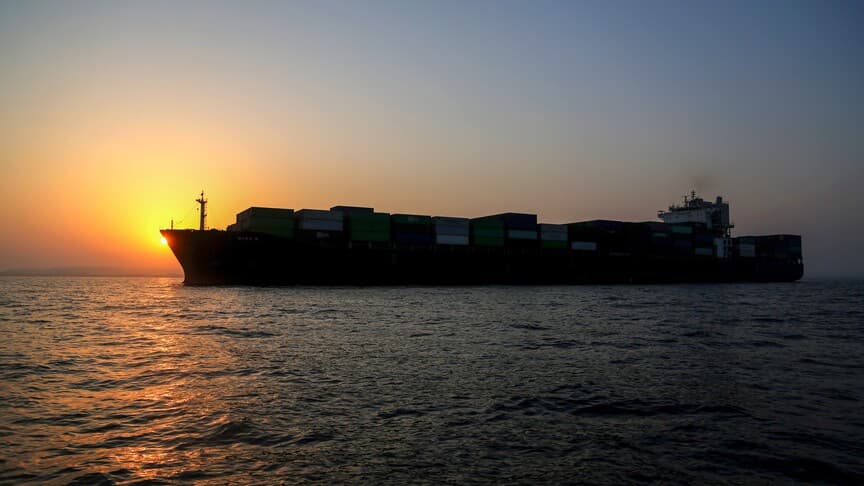
The 314-metre gas carrier Al Ruwais, flying the Bahamian flag, has been drifting off the coast of Pakistan for several weeks. Its 34-member crew, fearing for their safety, refuses to cross the Strait of Hormuz despite the demands of the owners of the UAE-owned vessel. An electrician on board told Euronews that the company is willing to risk the ship for the passage, but this requires the consent of the entire crew, which has not been given. He himself is waiting for a boat to Pakistan to transfer to another vessel.
Right of refusal and risk bonuses
Under maritime rules, the right to refuse passage through a war-risk zone is individual: the objection of a single sailor is enough for the ship not to enter the dangerous area. On ships whose crews agree to the transit, captains are offered up to $100,000 (€89,000) a month plus risk bonuses of $50,000 (€44,500), while ratings' wages have risen four- to six-fold. According to a sailor from the Al Ruwais, other ships pay up to $10,000 (€8,900), but the amounts depend on position and base salary; he believes everyone should be paid equally.
Two blockades and a collapse in traffic
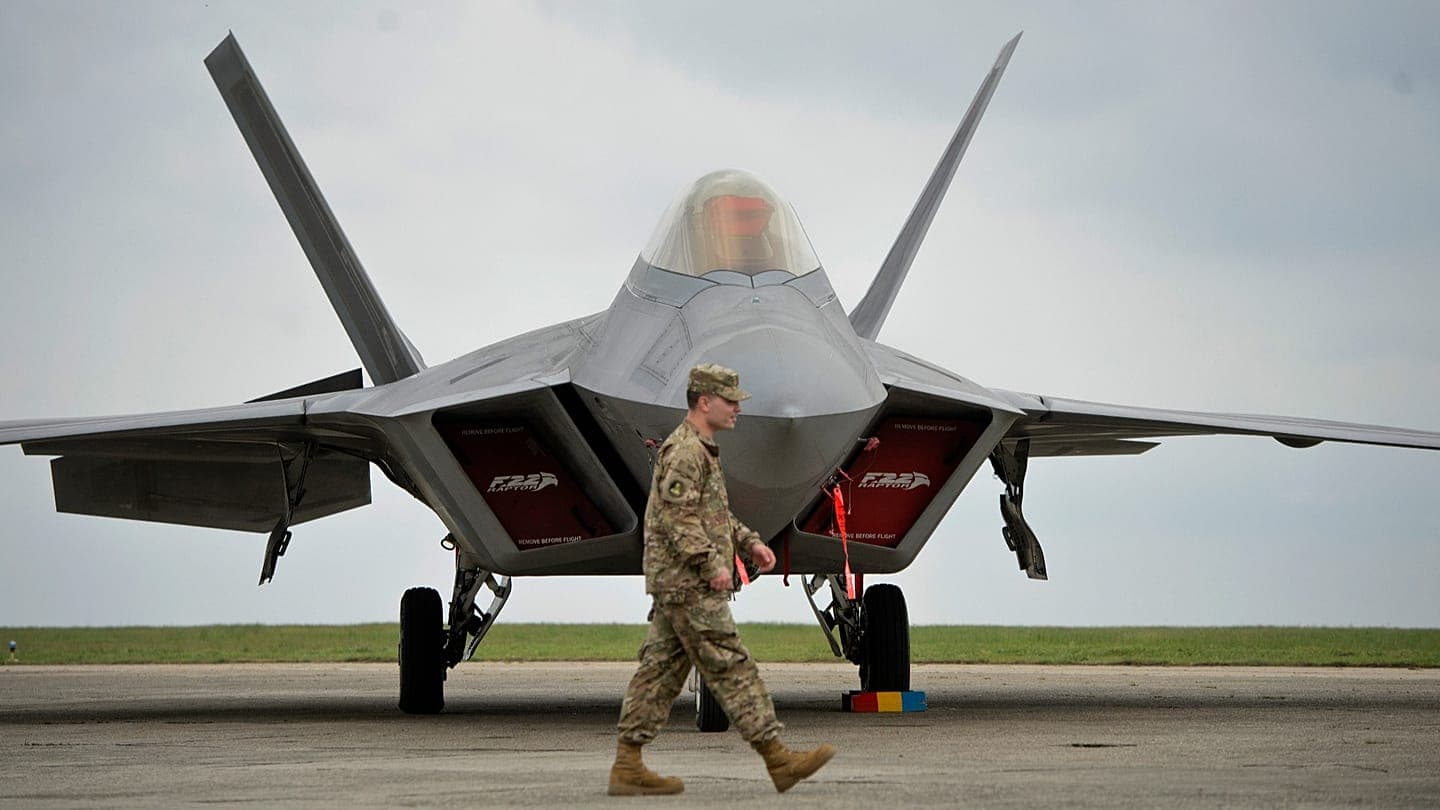
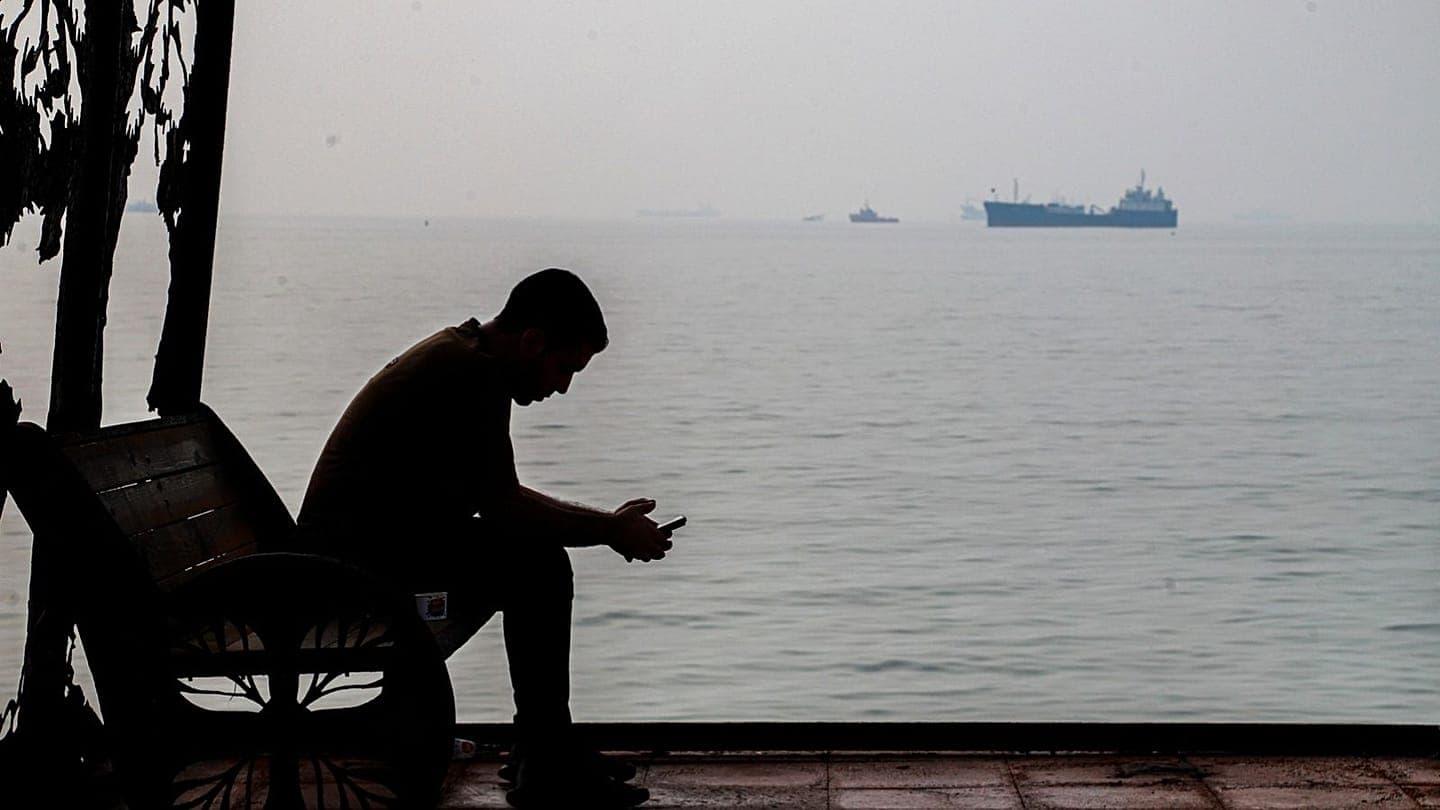
The strait, key to global energy trade, has been under two simultaneous naval blockades since the start of the war with Iran, which began after the American-Israeli strikes in late February. The southern corridor off Oman is patrolled by US forces, while the northern route passes through Iranian waters; the IRGC fleet stated that vessels on 'unauthorised' routes would face, in its wording, 'punitive action'. According to Kpler, daily traffic has fallen from more than 125 vessels to fewer than 10–12 — a drop of more than 90%. The causes have been drone attacks, naval mines and strikes by unidentified projectiles: UK Maritime Trade Operations has recorded numerous incidents involving fires, sinkings and electrical failures on tankers and gas carriers. Passing vessels switch off their AIS transponders, dim their navigation lights at night and turn off radio equipment to avoid detection.
The plight of Iranian sailors
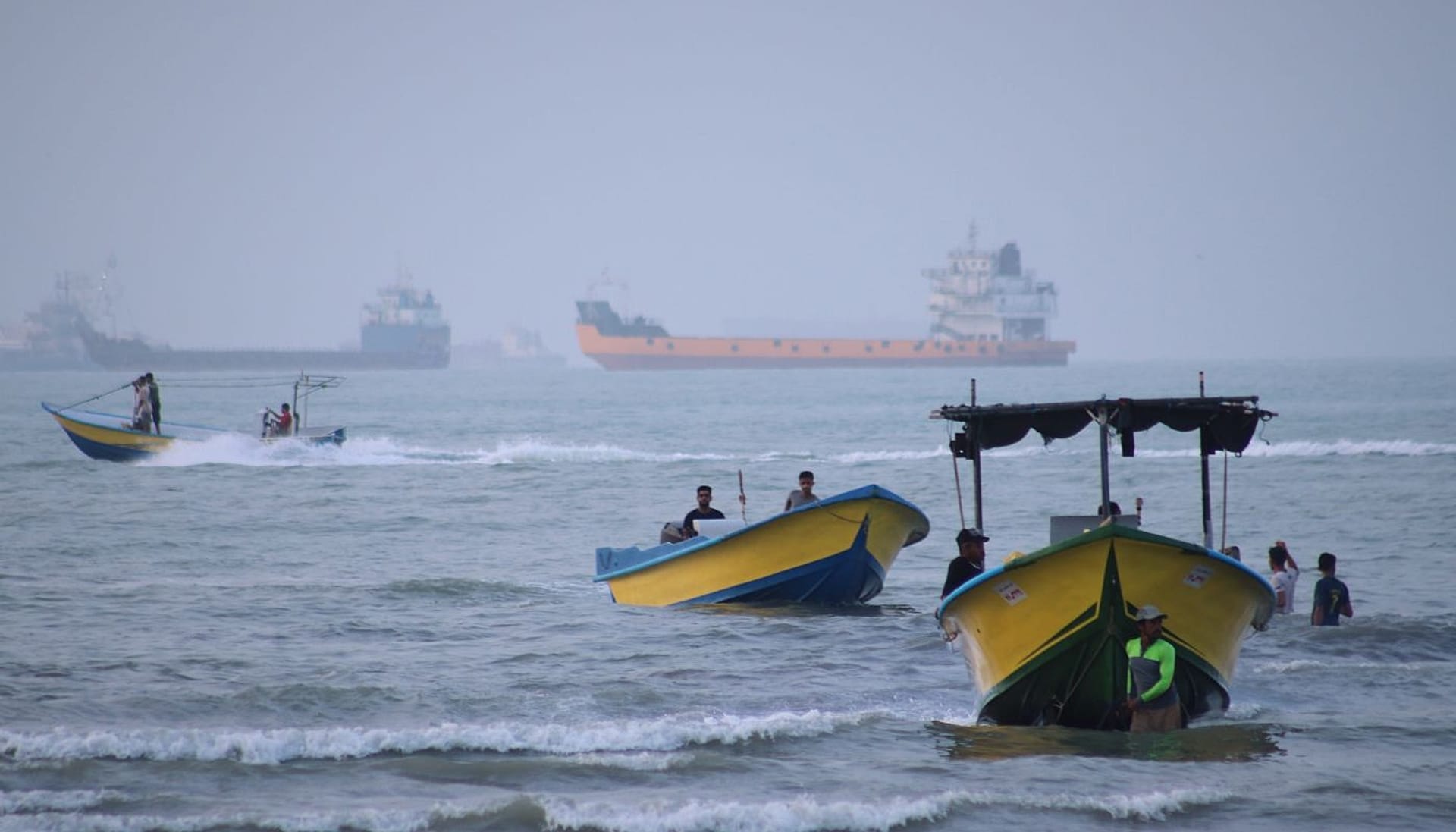
Hamed, a 50-year-old former captain who heads a maritime management company in Iran, told Euronews that since March of last year the war has led to the deaths of about 95 sailors on commercial, fishing, passenger, tug and platform supply vessels. Warships have suffered heavy damage, and vessels under repair in Bandar Abbas have also been attacked, although exact casualty figures have not been officially published. According to him, about 60% of Iranian vessels are under sanctions and cannot call at ports in India, Pakistan, the UAE, Oman, Kuwait and Iraq, and Pakistan's maritime borders are closed to Iranian vessels. About 40% of sailors in southern Iran have refused to go to sea, and many have moved to the Caspian for growing grain imports from the north; wages in the south have risen by 30–100%: sailors receive 50–80 million tomans (€165–265) a month, captains $1,200–4,000 (€1,100–3,700).
US pressure and the risk of a complete shutdown
Hamed said that since the start of the war, US forces have inspected Iranian commercial vessels about 15 times, landing from helicopters and boats to check cargo for explosives, without any safety guarantees. According to him, the US has provided no guarantees of safe passage for Iranian merchant vessels, and drone attacks from the air or sea on Iranian vessels occur every week. He estimated that about 35,000 Iranian sailors on roughly 2,000 vessels continue working in southern waters, delivering wheat, corn and medicines. He warned that if the situation deteriorates further, the authorities may be forced to declare a complete shutdown and evacuate coastal facilities.