The key facts
- Judge Dabney Friedrich denied the motion to dismiss the case against al-Marimi, accused of making the bomb that destroyed Pan Am 103 (270 killed, December 21, 1988).
- The defense argued the client was forcibly abducted from Tripoli in 2022 and handed to the FBI; the judge found the US actions did not reach the threshold of exceptions to the doctrine.
- Al-Marimi's trial in Washington is scheduled for January 19 after three postponements; the motion to suppress the 2012 confession was also denied.
Defense motion denied
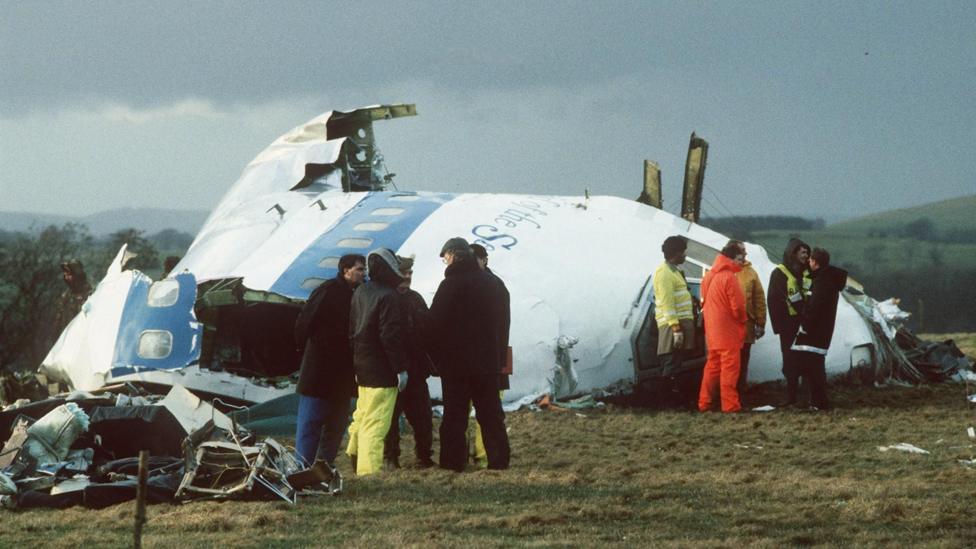
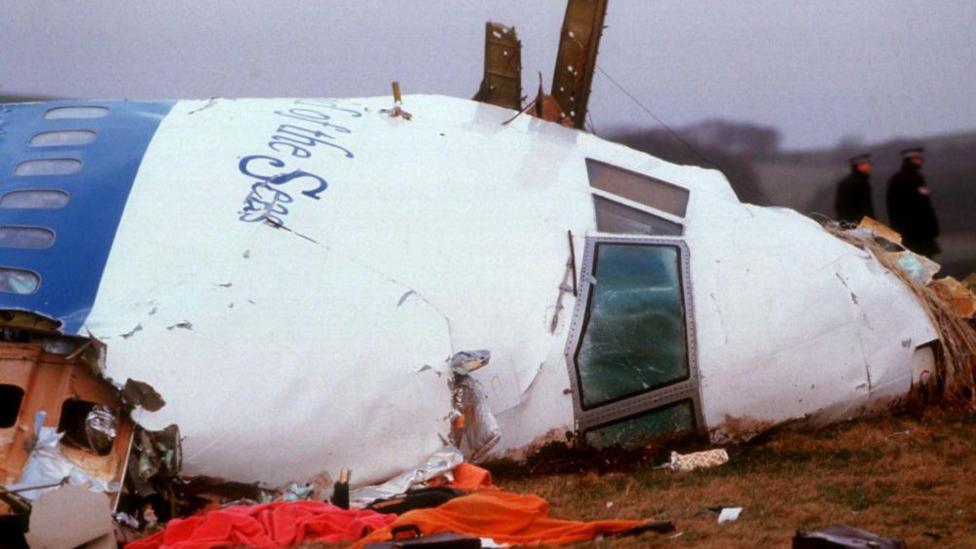
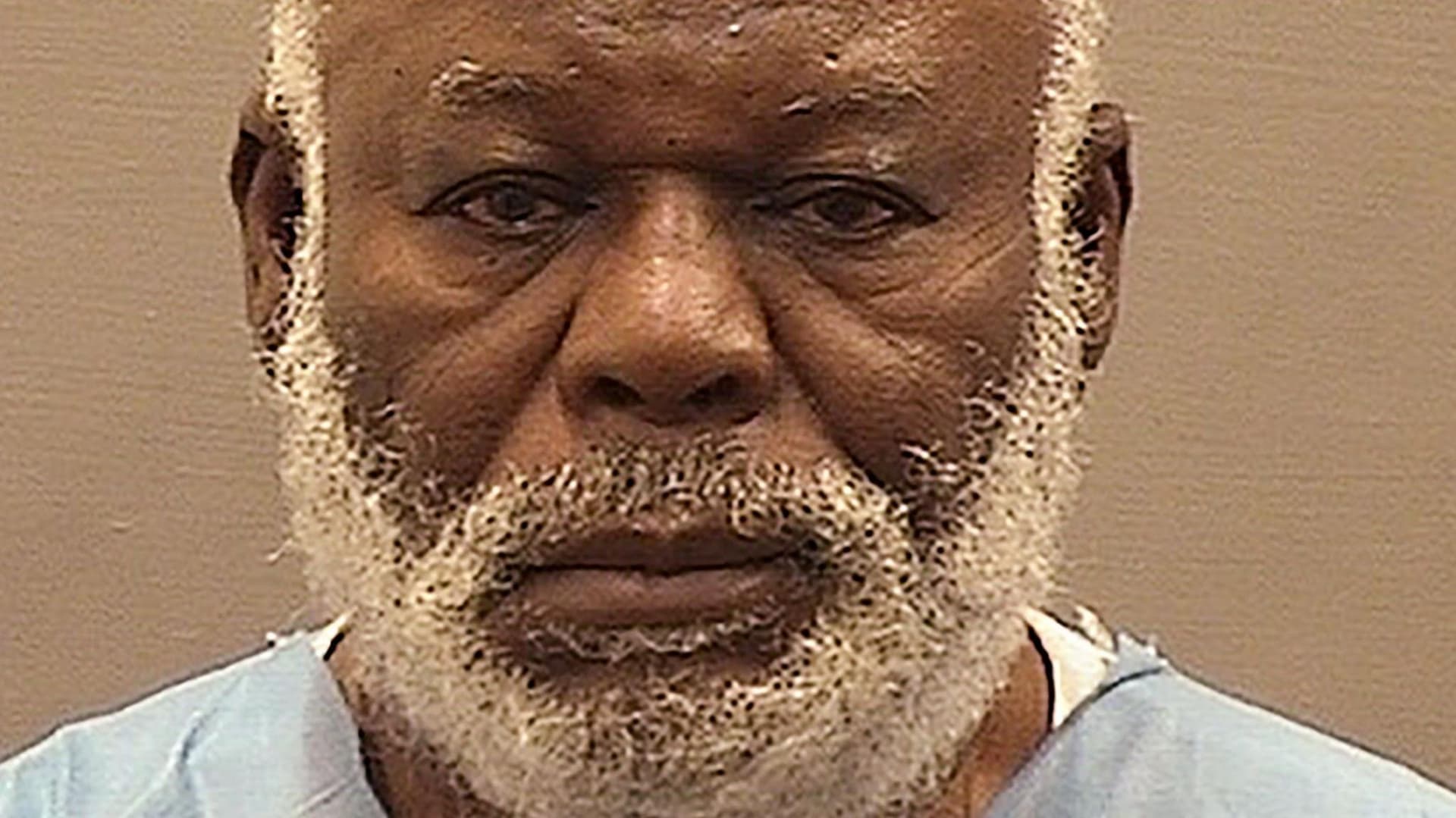
Libyan national Abu Agila Mohammad Mas'ud Kheir al-Marimi, accused of making the bomb that destroyed an American airliner over Lockerbie in Scotland, has lost his attempt to have the case dismissed. According to BBC Scotland News, US District Court judge Dabney Friedrich ruled that the circumstances of his delivery to the US should not prevent the trial in Washington in January. Al-Marimi denies a key role in the attack on Pan Am Flight 103, which killed 270 people on December 21, 1988. He has been in custody since December 2022.
Defense arguments
According to the defense's account, set out in filings in the Washington court, al-Marimi was 'forcibly abducted' from his home in Tripoli in 2022 by armed militia members — 'a covert operation in the middle of the night.' A few weeks later, after being held in a detention facility without access to lawyers, he was, according to the attorneys, handed over to FBI agents at Misrata airport and taken to the US. The defense sought dismissal, citing violations of constitutional rights and extradition treaties between the US and Libya.
Judge's reasoning
Judge Friedrich relied on a long-standing American legal doctrine under which a court's right to hold a trial is not undermined by the fact that the suspect was captured by force. 'There is nothing in the Constitution that requires a court to allow a guilty, rightfully convicted defendant to escape justice because he was brought to court against his will,' the BBC quotes her words from the transcripts. She named two exceptions to the doctrine. The first applies if the defendant was brought before the court as a result of a 'deliberate, unnecessary and unreasonable' invasion by US authorities of his constitutional rights, with the actions having to be committed by American officials or at their direction. In the judge's view, al-Marimi's claims 'at most indicate that American officials pressured Libyan officials to facilitate the extradition, rather than that they directed or controlled those actions.' The second exception would concern a violation of an extradition treaty if it were the sole means of transfer between the countries. The judge noted that the US cited the Montreal Convention and the Convention on the Suppression of Terrorist Bombings, but neither establishes the sole means of obtaining custody, so 'Libya was free to hand al-Marimi over to the US by any means it chose.'
Dispute over the 2012 confession
In a separate ruling, the judge denied the defense motion to suppress the confession which, according to the FBI, al-Marimi gave in 2012 in a Libyan prison: he allegedly admitted making the bomb that destroyed Pan Am 103 in an operation by Libyan intelligence. Al-Marimi himself claims the confession was false and obtained under coercion.
Case background
Al-Marimi's trial, scheduled for January 19 after three postponements, is the second criminal proceeding in the terrorism case. The only previous one ran from May 2000 to January 2001, when three Scottish judges convicted Libyan intelligence agent Abdelbaset al-Megrahi. He was sentenced to life imprisonment but was released by the Scottish government on compassionate grounds in 2009 after being diagnosed with terminal cancer, and died three years later at home in Tripoli.
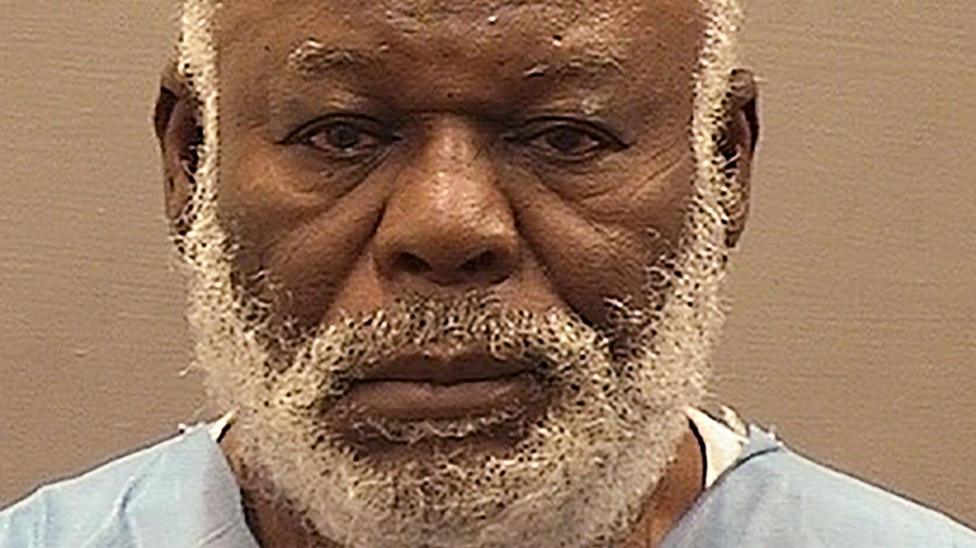 Image source, Reuters
Abu Agila Mas'ud Kheir Al-Marimi has been in custody since December 2022
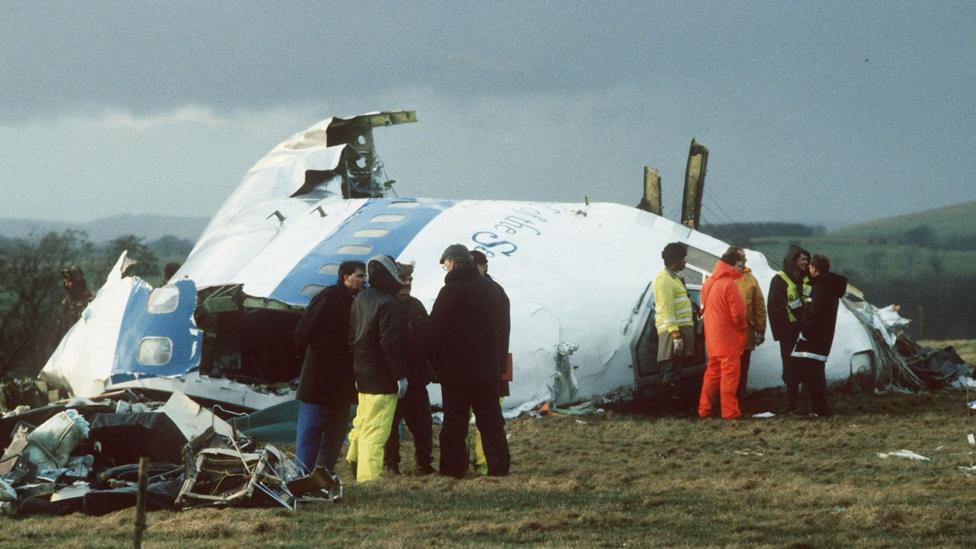 Image source, Reuters
Hundreds of people died when Pan Am Flight 103 exploded over Lockerbie in December 1988