The key facts
- The experiment involved 22 people: 14 children and 8 adults, divided into three groups.
- After natural cranberry juice, plaque formation slowed in both children and adults.
- The effect is linked to proanthocyanidins; a long-term conclusion is not yet possible.
Experiment with three beverages
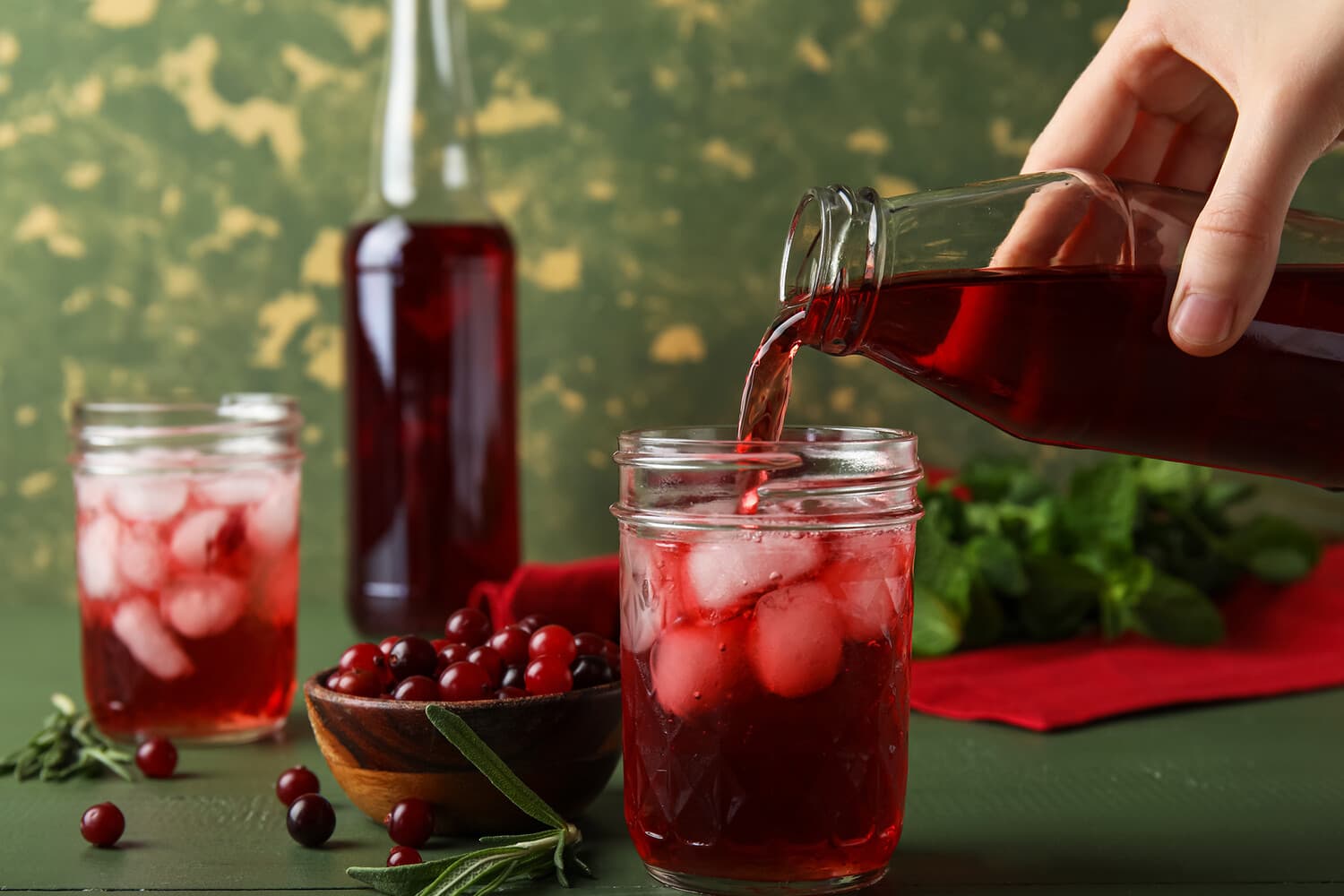
Natural cranberry juice without added sugar may slow the formation of dental plaque and reduce the production of acids by bacteria that damage enamel. Researchers at the University of Illinois Chicago came to this conclusion; the results were published in the journal Scientific Reports. The experiment involved 22 people — 14 children and eight adults. Participants were randomly assigned to three groups: the first drank 100% cranberry juice without added sugar, the second — a beverage with added sugar and 27% juice content, and the third — plain water.
Plaque analysis results
The scientists took samples of plaque accumulated overnight and repeated the procedure 30 minutes after the beverages were consumed. The analysis showed that after natural cranberry juice, plaque formation slowed and the activity of acid-producing bacteria decreased in both children and adults.
Mechanism and limitations
The researchers link the effect to proanthocyanidins — natural polyphenolic compounds in cranberries, some of which prevent bacteria from attaching to surfaces and hinder plaque formation. Dental plaque is a biofilm of microorganisms; by processing sugars from food, bacteria release acids that dissolve the mineral components of enamel (demineralization), which plays an important role in the development of cavities. At the same time, the authors emphasize the need for further research: the group was small and the observation lasted only 30 minutes, so it is not yet possible to claim that regular consumption of cranberry juice prevents cavities in the long term.