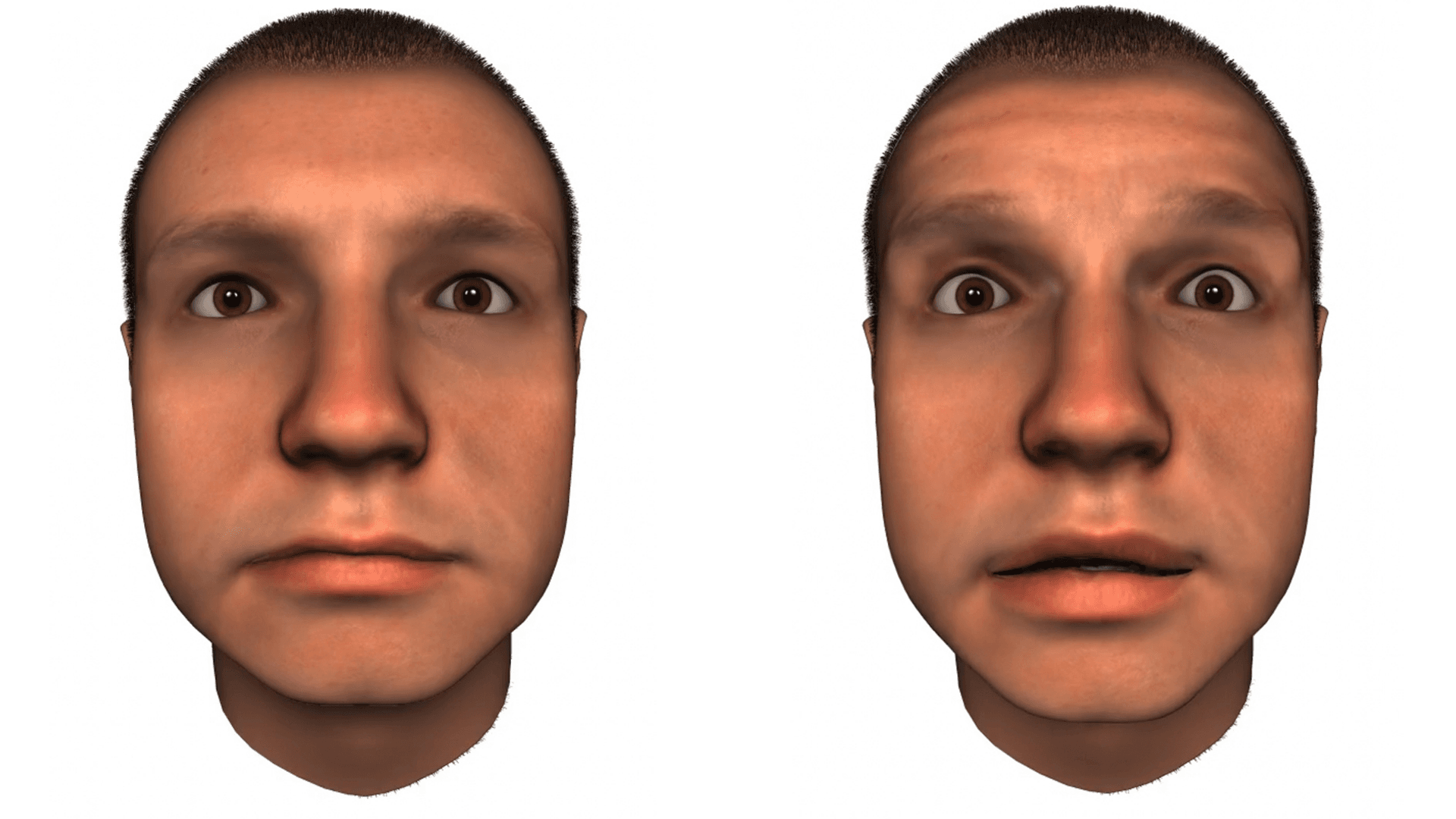
The key facts
- Raised eyebrows and slow blinking increased the speaker's perceived confidence, while lowered brows and narrowed eyes decreased it
- The results matched among participants from Western Europe and East Asia
- The study was published in Proceedings of the Royal Society B
Facial expressions influence the perception of confidence
Researchers at the University of Glasgow found that listeners judge a speaker's confidence not only by words and voice, but also by movements of the eyebrows and eyes. In an experiment with computer-generated characters answering questions, only the movements around the eyes and eyebrows were varied, while the content of the speech and intonation remained unchanged. Participants from Western European and East Asian cultures rated how confident the answers appeared.
Which movements are perceived as confidence
According to the study, raised eyebrows and slow blinking (brief eye closure) consistently increased the speaker's perceived confidence. Conversely, lowered brows and narrowed eyes were associated with doubt or uncertainty. Participants from both cultural groups generally agreed on what confidence 'looks like'.
Context and the authors' conclusions
The work was published in the journal Proceedings of the Royal Society B. The authors note that successful communication relies on a set of signals — speech, intonation, facial expressions and gestures; while the role of gestures and vocal signals has been well studied, the influence of facial movements on the perception of confidence remained underexplored. The study's lead author, University of Glasgow postdoctoral researcher Dr Jonas Nölle, said that even with unchanged words and vocal signals, changing facial expressions can alter how confident or doubtful the answers appear. Professor Rachael Jack, an honorary senior research fellow at the university and corresponding author of the work, noted that in both cultures raising the eyebrows and closing the eyes were linked to greater perceived confidence, while lowering the brows and tensing the eyes were linked to doubt. In the researchers' view, facial movements do not merely accompany speech but actively shape how it is understood.
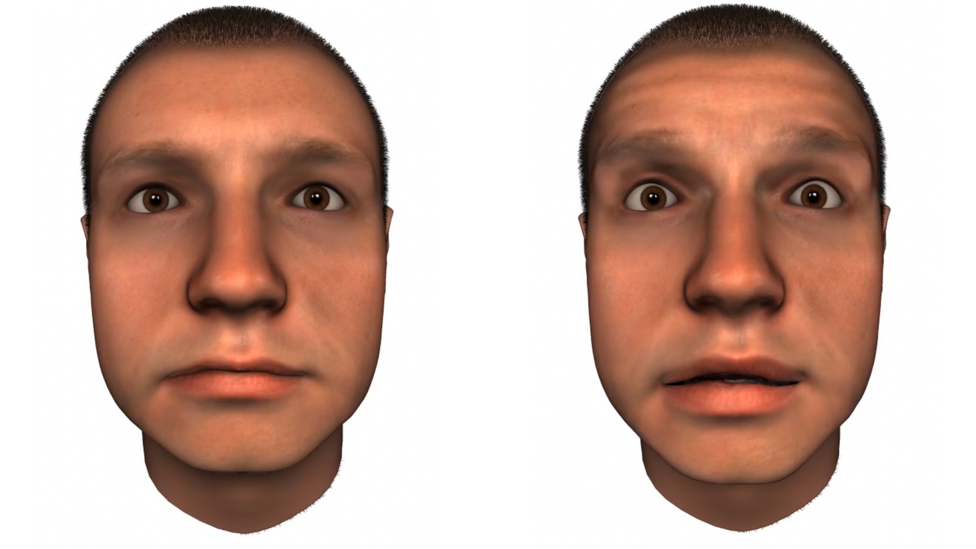 Image source, University of Glasgow
Expressive, raised eyebrows were the favoured expression for making the audience believe in what the computer-generated speaker was saying
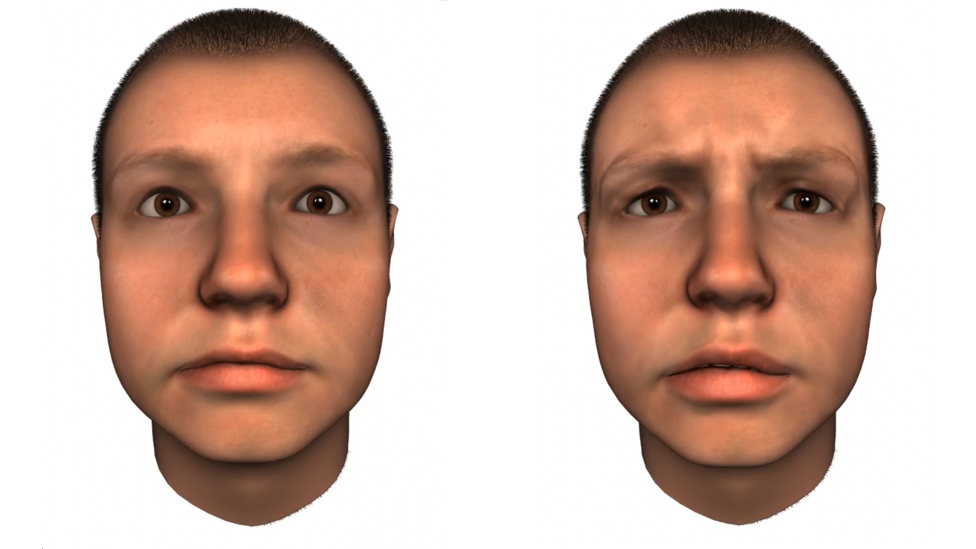 Image source, University of Glasgow
Lowered brows, in a frown, did not give the audience a feeling of confidence in the speaker
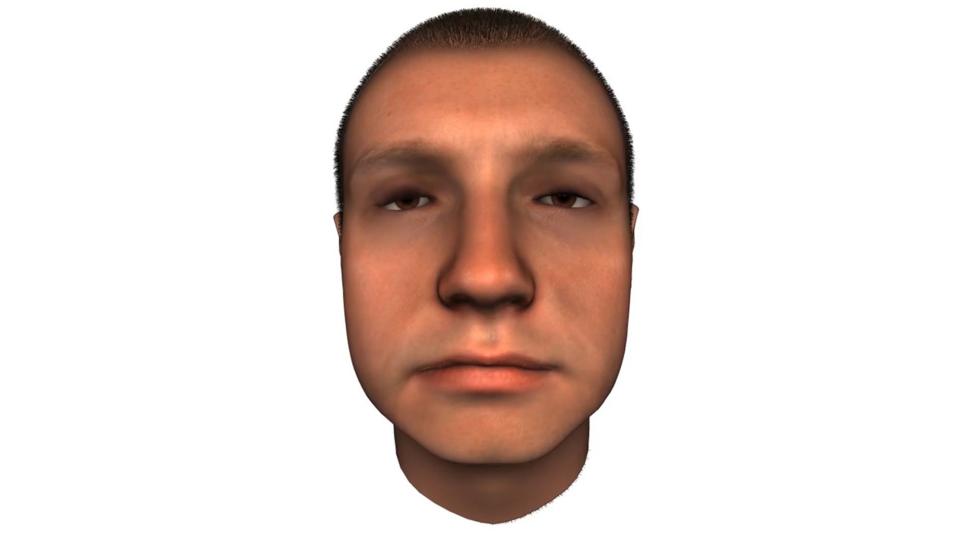 Image source, University of Glasgow
A slow blink also inspired confidence in the speaker