The key facts
- Zelensky requested at least €70 billion more from the EU for 2026: $32.6 billion for the budget and $45 billion for the army
- The main option is expanding the €90 billion joint loan, but borrowing costs have risen
- The use of Russian assets worth €210 billion is blocked by Belgium; Hungary, Slovakia and the Czech Republic are not participating in the loan
Kyiv's Request and Brussels' Response
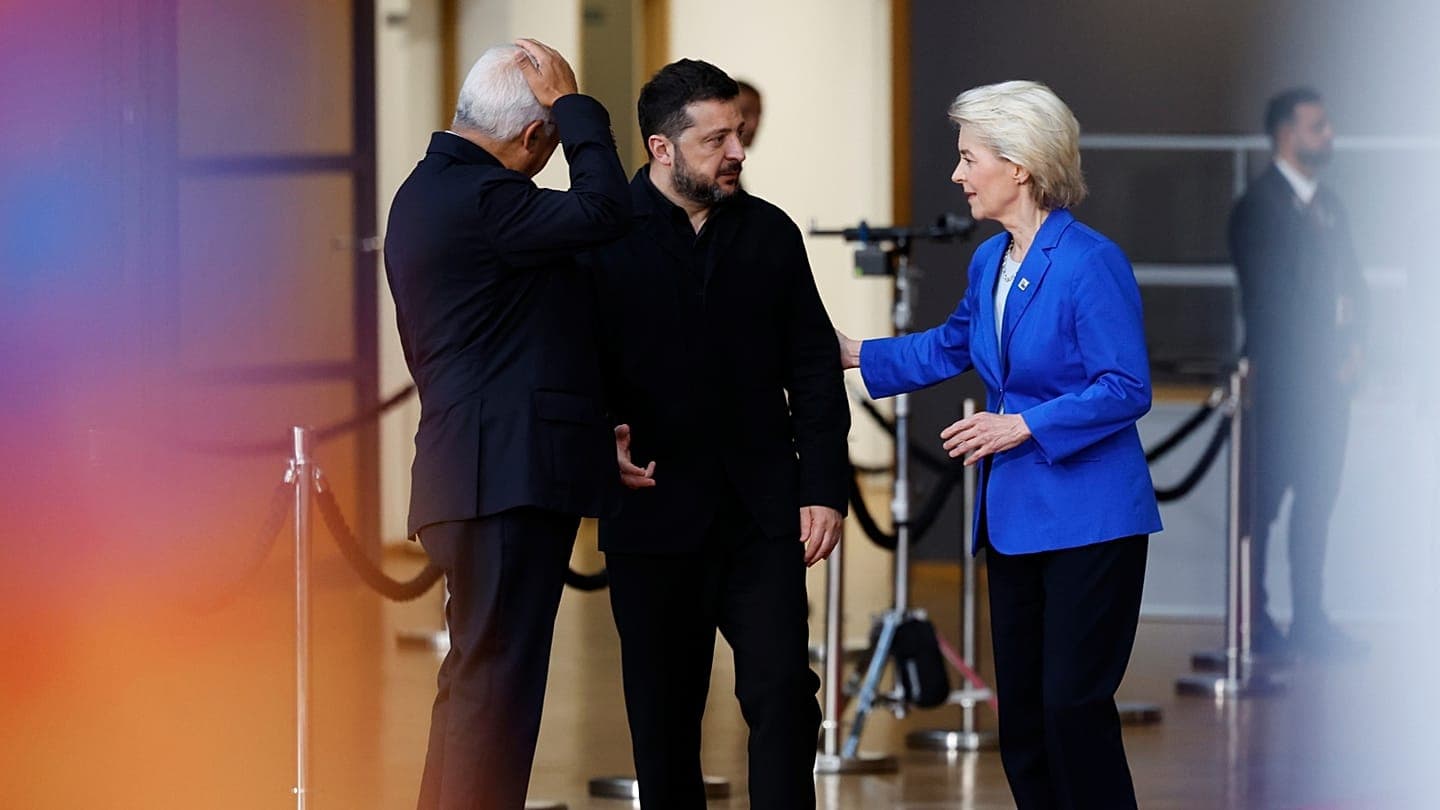
The European Union is seeking an additional €70 billion for Ukraine next year, as the escalation of Russian attacks has made existing financial support plans insufficient. At the two-day EU summit, Ukrainian President Volodymyr Zelensky said the war will cost €155 billion in 2026 and asked for 'at least €70 billion more' for defense, weapons and resilience, promising that these funds will help hold back Russia. According to him, the money will also go toward scaling up domestic drone production. Kyiv had been warning for weeks about the need for $32.6 billion for the budget and $45 billion for the armed forces — about €70 billion in total. Brussels initially refrained from commenting, but after technical talks it accepted this estimate and acknowledged that the money must be found. Leaders tasked the European Commission with working out options to close the shortfall, which turned out to be significantly larger than expected.
Context of Existing Support
Until now, EU support has been built around a €90 billion loan agreed by leaders in December. It was supposed to cover two-thirds of Ukraine's financial and military needs for 2026–2027, with the rest to come from other allies. The Commission designed the loan on the assumption that the war would end in 2026, but Moscow has intensified its offensive, including daytime strikes on Ukraine's economy. The €70 billion will be added to the €45 billion the EU plans to provide under the existing loan and several billion euros from other programs. Brussels stresses that the new amount will be a 'joint effort' with other allies — the United Kingdom, Norway, Canada and Japan. A Commission spokesperson said partners must 'come forward with commitments and deliver on them.' It is unclear what share of the amount the EU will provide and how quickly Kyiv needs the money: the previous 'two-thirds — one-third' scheme did not work.
The Joint Borrowing Option
According to diplomats and officials, the most likely option appears to be issuing new joint EU debt on financial markets — possibly by expanding the existing credit line. The AAA-rated bloc became a sought-after issuer after the COVID-19 pandemic; Mario Draghi also advocated large-scale borrowing. However, since December financial conditions have deteriorated: borrowing costs have risen due to high oil prices, growing public debt and demand for AI spending. Countries with high debt have been hit especially hard: Belgium borrows at rates on the level of Greece, and France pays more than Italy. The yield on 10-year EU bonds rose from 2.8% in January to 3.44% in September. A Commission spokesperson noted that the bloc's relative position has not worsened and it remains an 'extremely competitive issuer.' If joint borrowing becomes the main option, a number of countries are expected to refuse to participate: Hungary, Slovakia and the Czech Republic are already excluded from the €90 billion loan. Slovak Prime Minister Robert Fico said he agreed with his Hungarian counterpart Péter Magyar to maintain this policy. Bulgaria, whose prime minister Rumen Radev criticizes military aid to Ukraine, is also cited as a likely abstainer. The negotiations will run in parallel with the fight over the next long-term EU budget and ahead of the presidential election in France, where frontrunner Marine Le Pen has promised to end all aid to Ukraine.
The Dispute Over Frozen Russian Assets
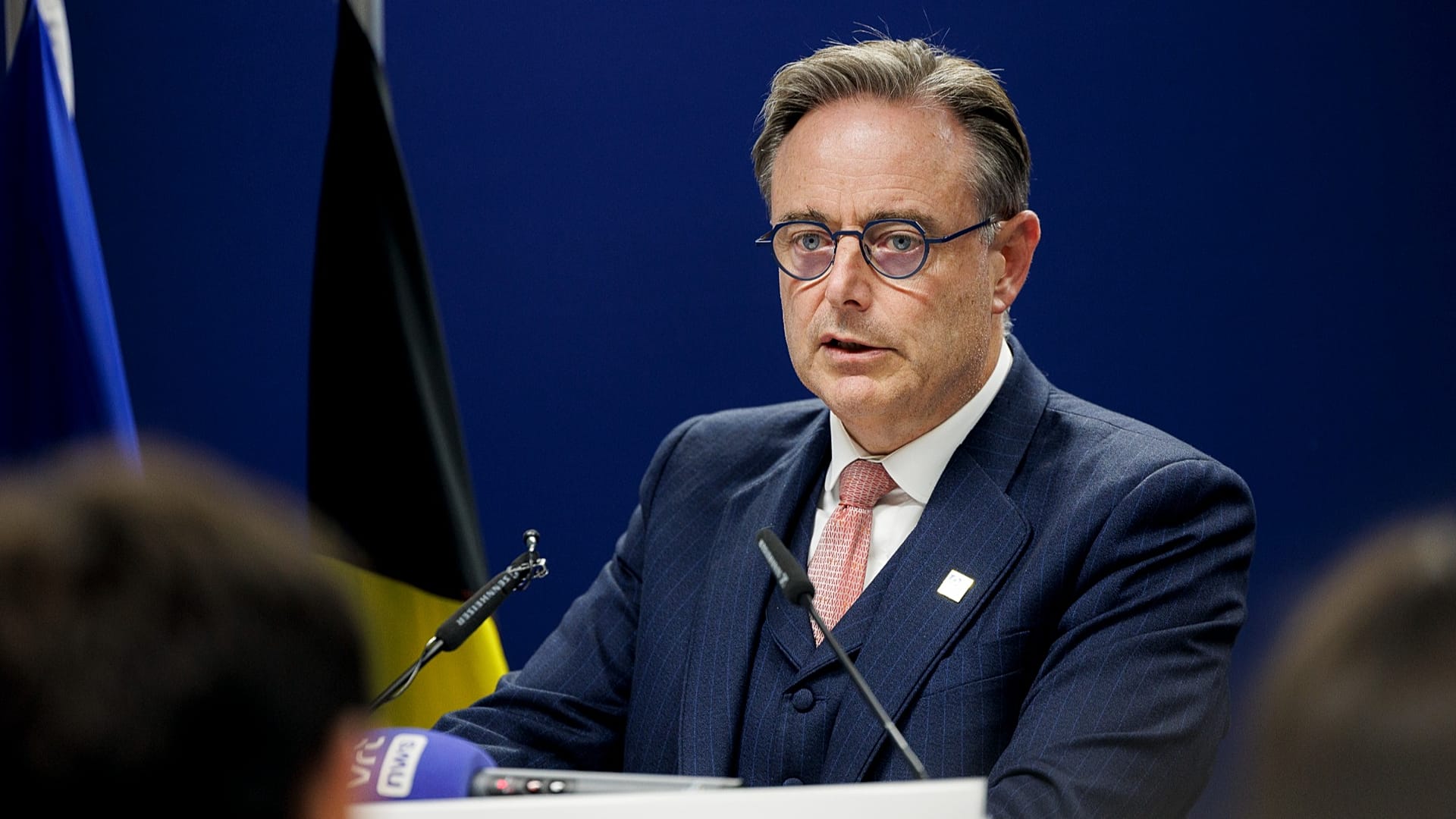
An alternative option is the use of immobilized assets of Russia's Central Bank worth €210 billion located in the EU. In August, the debate was revived by Sweden, the Netherlands, Spain and Poland; support was expressed by the Nordic and Baltic countries, Germany and Ireland. Last year's plan to channel the assets into an interest-free loan for Ukraine failed due to Belgium's resistance, as €185 billion of these assets are held in the Euroclear depository there. Prime Minister Bart De Wever called the use of the assets confiscation with catastrophic consequences for the country and demanded full risk-sharing and unlimited guarantees. The leaders then abandoned the idea and chose joint debt. Supporters of using the assets have not given up on the plan; Zelensky warned that if Europe does not use them, Russia will try to get them back, calling this one of Moscow's goals. According to reports, the US proposed partially releasing the assets as an incentive for Russia to engage in peace talks, but the Europeans rejected this plan. At the summit, De Wever said of his own initiative that his objections remain unchanged and proposed keeping the funds blocked until the end of the war to rule out interference by Moscow or Washington. According to Euronews, summit participants considered the assets' chances of success low; France and Italy are still regarded as skeptics. Belgium is also against transferring the assets from Euroclear to a depository under EU management. EU Ambassador to Ukraine Katarína Mathernová told Euronews that the issue will be raised again and may eventually find a solution, but 'not in the short term.'