The key facts
- Eurozone inflation in September was 3.8% (3.2% in August), energy prices rose 18.8% year on year (Eurostat).
- Protests took place in Brussels, Paris, Greece, Lisbon and Porto; in Spain, Sánchez called snap elections for 29 November.
- Governments have spent €17.9 billion to ease bills; the EU is calling for targeted aid instead of blanket subsidies.
Inflation accelerates
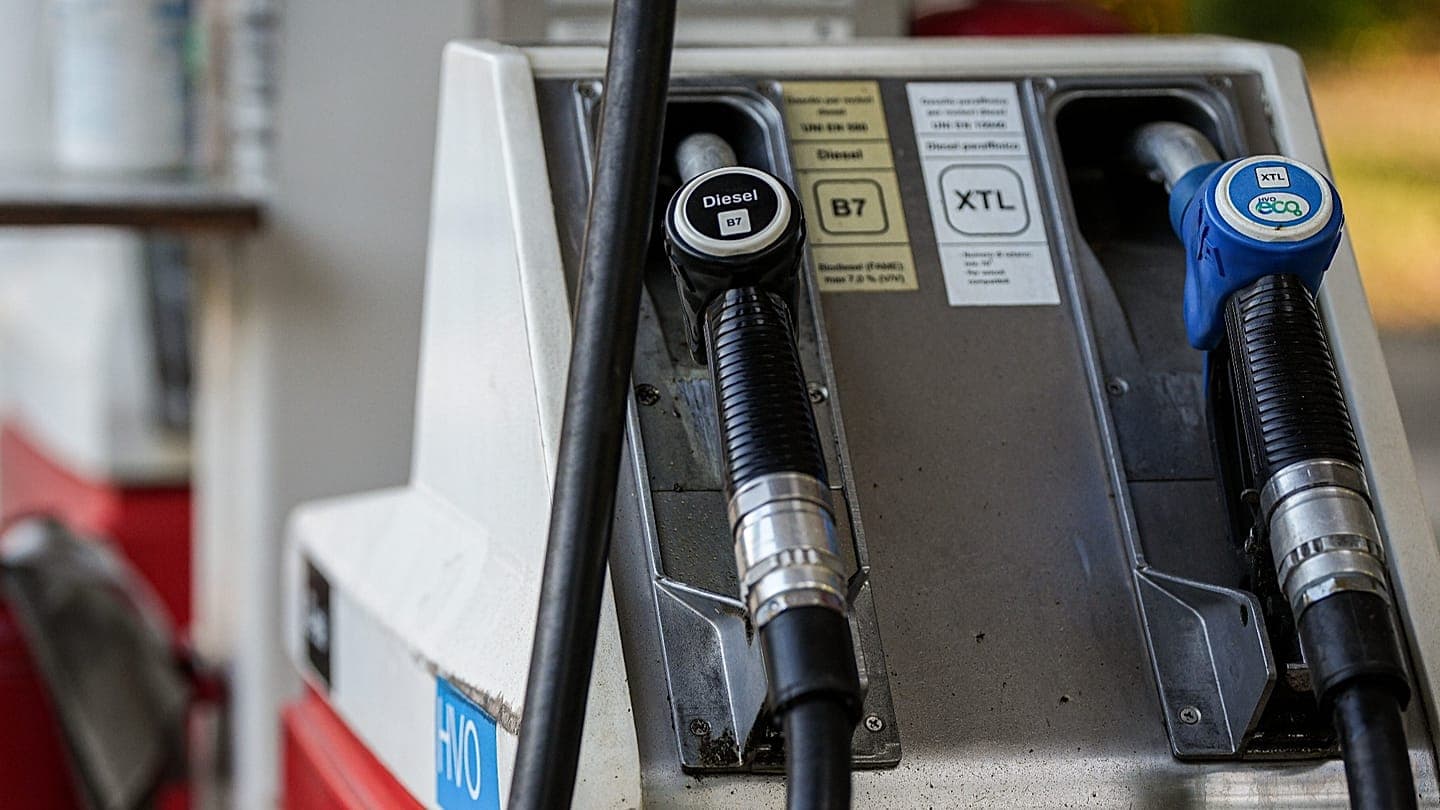
According to Eurostat's preliminary estimate, inflation in the eurozone rose to 3.8% in September from 3.2% in August. Energy prices increased by 18.8% year on year. The highest figures were recorded in Lithuania (6.1%), Bulgaria (5.6%) and Spain (5%).
Protests across Europe
Rising prices triggered a wave of protests. Trade unions held marches in Brussels and Paris, students pitched tents outside Greece's parliament, and in Lisbon and Porto thousands of people took to the streets over rents. In Spain, after Congress rejected two housing decrees, Prime Minister Pedro Sánchez called snap elections for 29 November.
What the EU can do
According to Euronews, Brussels is coordinating the release of oil reserves and urging governments to provide targeted aid instead of blanket subsidies: this year states have already spent €17.9 billion on easing citizens' bills. At the same time, the EU does not set prices, rents or tuition fees — these levers are mostly in the hands of national governments, on which pressure continues to grow.