The key facts
- Eurozone inflation in September 2026 was 3.8% (ECB estimate), compared with 3.2% in August
- Energy prices rose 18.8% due to LNG disruptions amid the war in the Middle East
- Housing: house prices +5.1%, rents +3% in Q1 2026 year on year (Eurostat)
Rising inflation and divergence across countries
According to European Central Bank estimates, eurozone inflation reached 3.8% in September 2026, up from 3.2% in August. Values vary considerably across countries: Lithuania leads with 6.1%, followed by Bulgaria (5.6%), Luxembourg and Cyprus (5.2% each). The lowest figure is in Malta, at 2.4%.
Energy — the main driver
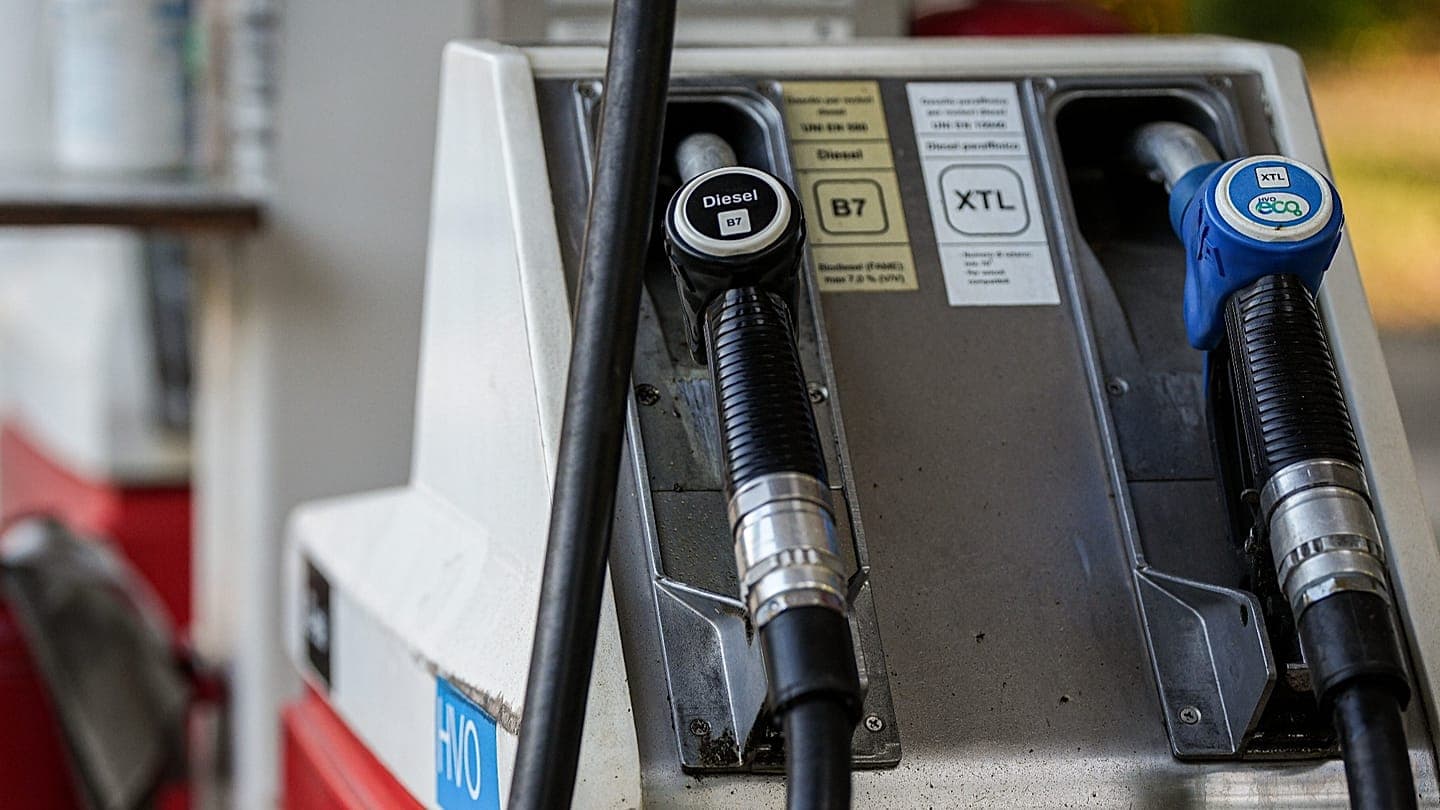
The main factor behind the increase was energy: in September, energy prices rose by 18.8%. According to Euronews, the war in the Middle East halted liquefied natural gas production, increased gas price volatility and caused a shock on the global energy market. In response, the European Union proposed a series of measures, including the AccelerateEU initiative to strengthen energy resilience. Member states introduced targeted support measures: caps on electricity prices, energy vouchers and cuts in fuel excise duties.
Impact on the economy and consumer prices
Rising energy bills affect the entire economy. Energy-intensive sectors — manufacturing, the chemical industry and agriculture — face higher production costs; food processing and pharmaceuticals suffer indirectly from more expensive operating costs and supply chains. Companies pass costs on to consumers, deepening Europe's cost-of-living crisis. According to the ECB, in September inflation on essential goods, including food, alcohol and tobacco, stood at 1.4%, services inflation (healthcare, education, transport) at 3.2%, and industrial goods at 1.1%.
Housing and budget disputes
According to Eurostat, in the first quarter of 2026 compared with the first quarter of 2025, housing prices rose by 5.1% and rents by 3%, sparking protests across Europe. A number of member states, including Italy and Greece, asked Brussels for greater fiscal flexibility to help households and businesses cope with rising prices, but the European Commission refused the request.