The key facts
- Eurozone inflation in September was 3.8%, nearly double the ECB target; energy rose 18.8% year-on-year
- 35% of EU consumers worry about affording food, 74% noticed 'shrinkflation'; housing prices in Portugal rose 16.5%
- The EU proposes an Affordable Energy Action Plan, a €86.7 billion Social Climate Fund and an affordable housing plan
Inflation nearly double the ECB target
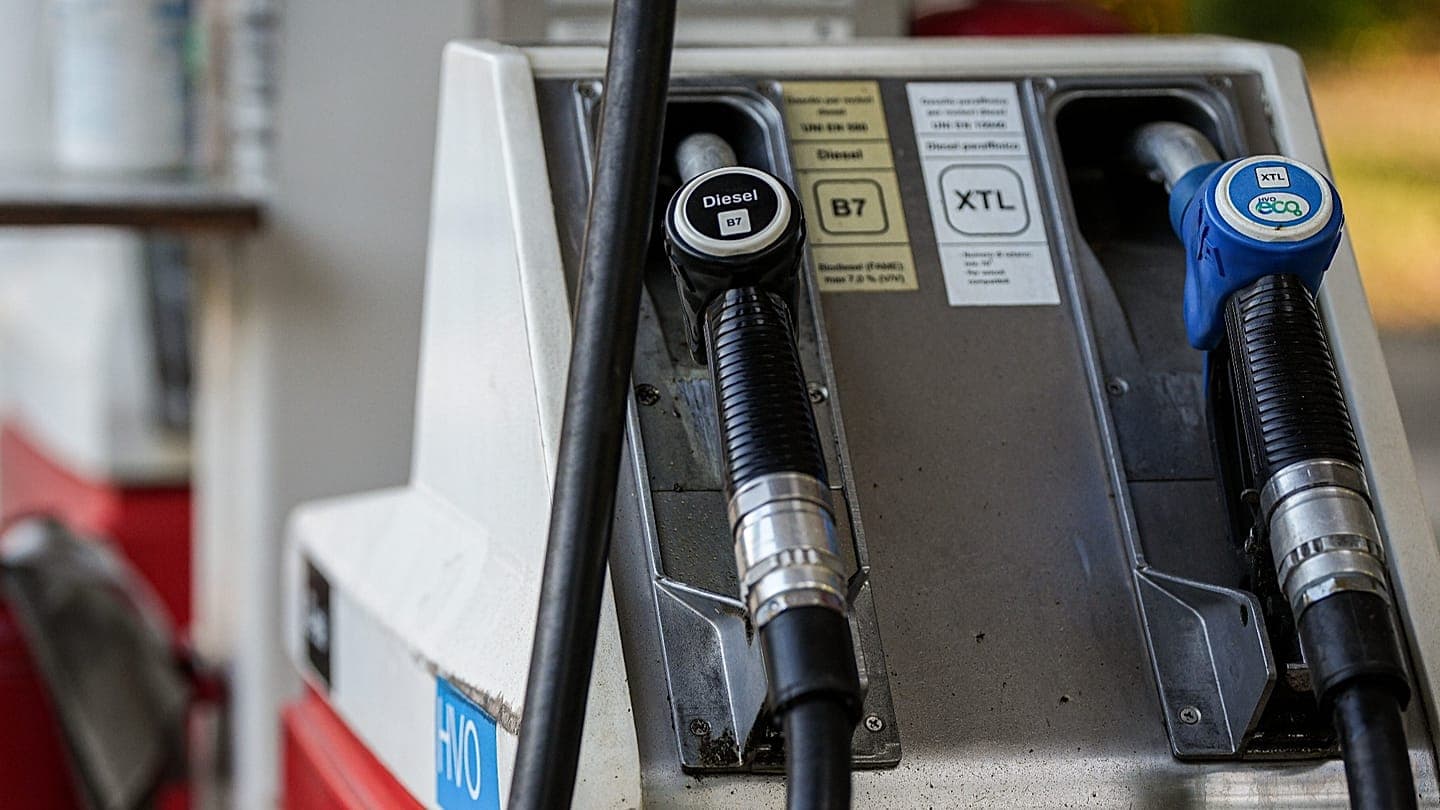
According to Eurostat, inflation in the eurozone reached 3.8% in September — nearly double the European Central Bank's target. Energy prices rose 18.8% over the year. The rising cost of living is affecting all key sectors of the bloc's economy.
Pressure on consumers
ECB analysis shows that 35% of EU consumers in supermarkets worry about whether they can afford food, while 74% noticed that everyday products have shrunk in size without getting cheaper. Rising energy bills make it harder to heat homes, while rising construction costs and housing shortages continue to push up rents and property prices: in Portugal alone, house prices rose 16.5% over the year.
Education and public spending
Education is also under pressure: schools face operating costs, while families pay for textbooks, transport and supplies. Education's share of EU public spending in 2024 was 9.7%, down from 10% in 2019.
Brussels' response
The European Commission has proposed an expanding list of measures: an Affordable Energy Action Plan, an Energy Package for Citizens and a €86.7 billion Social Climate Fund to reduce energy costs and support vulnerable households. Also presented were the European Affordable Housing Plan, an affordable housing bill in September and the first Anti-Poverty Strategy. Euronews notes that a significant part of the response focuses on long-term reforms, while recent price shocks are already hitting consumers.
Reader poll
Euronews has launched an anonymous poll: are these measures sufficient, should tackling inflation be an EU task, and are national governments doing enough? The results will be used in pan-European coverage — videos, articles and newsletters — and will help shape the outlet's reporting on Europe's position in the age of artificial intelligence.