The key facts
- Slovakia and Hungary ask the EU for flexibility and funding for oil and gas infrastructure until the full phase-out of Russian gas in 2027
- The Visegrad Four seeks a postponement of ETS2 to 2030; Commissioner Jørgensen acknowledged the 'serious' situation in the region
- Hungary is challenging the phase-out plan for Russian energy in the EU court, with Slovakia supporting it
Appeal to Brussels
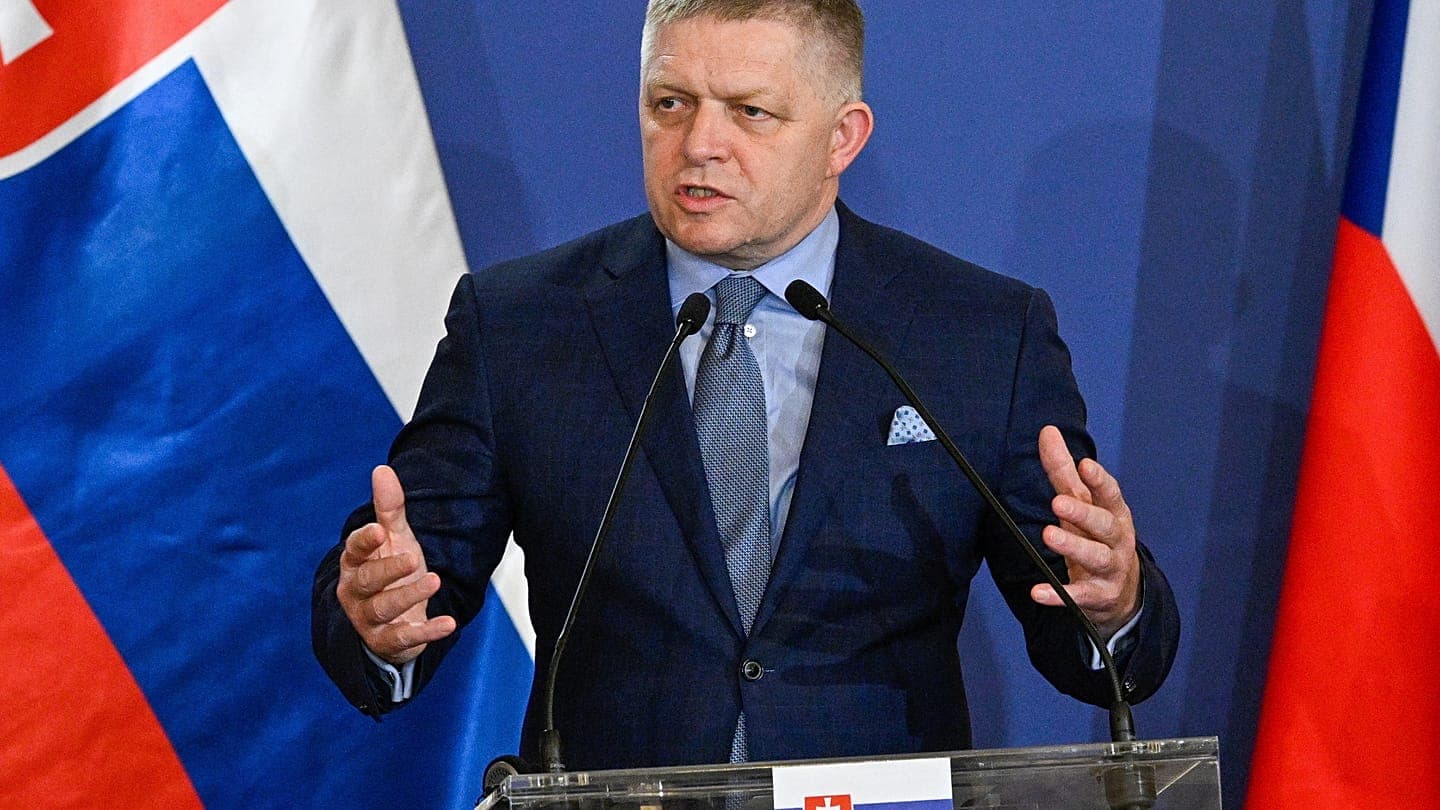
Slovakia and Hungary on Monday called on the European Commission to show greater flexibility in phasing out Russian gas. In their view, the lack of sea access and dependence on existing supply routes make diversification more difficult and costly. Bratislava noted that it historically served as an entry point for Russian oil and gas, but now, together with Budapest, risks becoming the 'end of the line': supplies of Russian energy to Central Europe must cease in 2027 under the EU plan.
Demands on funds and the carbon market
Slovak Deputy Prime Minister Denisa Saková, at a press conference in Bratislava attended by Energy Commissioner Dan Jørgensen, said the country wants to discuss with the European Commission how the next EU budgetary period and the availability of funds can meet the region's needs, primarily in expanding the Visegrad Four's oil and gas infrastructure. The ministers are asking Brussels to recognise their special circumstances in the allocation of EU funds — a contentious issue also at the last European Council summit. Earlier, on 15–16 October, the V4 group (Hungary, Slovakia, Czechia, Poland) pressured EU leaders, demanding flexibility in revising the emissions trading system (ETS) and postponing its second phase, ETS2, to 2030.
The European Commission's position and energy prices
Commissioner Dan Jørgensen acknowledged the 'serious' price situation for residents of Central Europe and repeated the need for 'targeted and temporary measures' that would not undermine the EU's goal of reducing dependence on imported fossil fuels. 'We used to depend on Russia. We are getting out of this dependence, and that is good. But the current situation shows that we are now dependent on the world market, and events in the Middle East can affect citizens here in Bratislava,' he said. According to the think tank Ember, wholesale electricity futures in the region are more than 60% above pre-crisis levels. The V4 countries, traditionally more dependent on fossil fuels, argue that high prices — raised, according to the publication, by the US and Israel's war against Iran — prevent industry from investing in electrification.
Diversification and the legal dispute
The Visegrad Group has alternative sources and supply routes bypassing Russia, but at a higher price, with varying degrees of integration across the four countries. 'From 2027 we will not be able to import gas from Russia and would like to sign new diversification contracts. Diversification and energy security mean that we must have ready rules for oil and gas supplies for the V4 region,' Saková added. Under Prime Minister Viktor Orbán, Hungary has challenged the EU plan to phase out Russian energy in the EU court; Slovakia supported the lawsuit, arguing that the phase-out would put its industrial competitiveness at a disadvantage compared with most other countries of the union. A first ruling is expected in a few months.