The key facts
- The curfew is in effect in Paris (22:00–6:00), Lyon, Nice and Gironde; organizers announced 'Act II' for October 24 with 212 actions
- On October 17, about 550,000 people took part according to authorities, 800,000 according to organizers; 997 police officers injured, 2,513 detained, 67 jailed
- The protests began in mid-September with school actions; a 15-year-old lost a hand in Lens, a 16-year-old suffered a serious eye injury in Tours
Curfew will not stop the movement, its lawyer said
Nighttime curfews introduced in France after violent protests will not prevent the 'yellow vests' from returning to the streets on Saturday, the movement's lawyer David Libeskind said in a written statement to the Anadolu agency. According to him, the restrictions 'will have no effect on the movement, since demonstrations take place in the morning or during the day.' He added that the curfew mainly concerns minors, although in Paris and Lyon it also applies to adults.
Where the restrictions are in effect
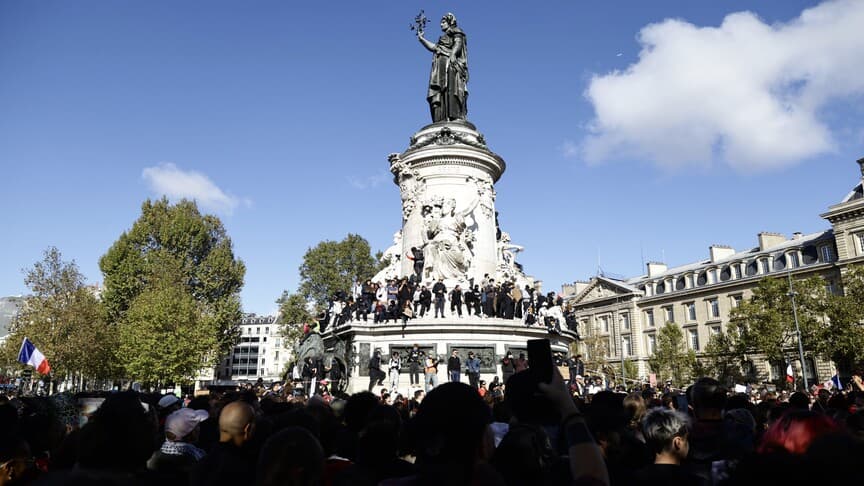
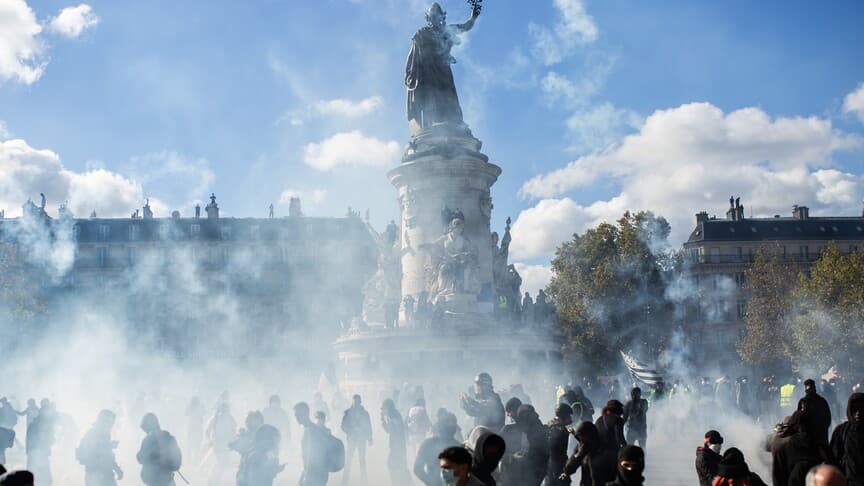
The restrictions came into force on Monday night in Paris: being on the streets around Place de la République and Les Halles is prohibited from 22:00 to 6:00. In part of central Lyon, the ban begins an hour earlier. In Nice, restrictions for minors have been introduced in the city center from 21:00 to 6:00, and in part of the Gironde department, minors are prohibited from being on the streets unaccompanied from 22:00 to 7:00 until October 26.
Preparation for 'Act II'
Organizers called for a new nationwide mobilization on Saturday, October 24, calling it 'Act II' of the protest movement. According to the interactive map they published, 212 actions are planned: 167 demonstrations, 19 gatherings at roundabouts, six actions at gas stations and one at a fuel depot. Libeskind said he expects mass participation and numerous blockades of supermarkets, fuel depots and other facilities. 'We demand a freeze on prices for gasoline, gas and essential goods,' he said.
Demands and political slogans
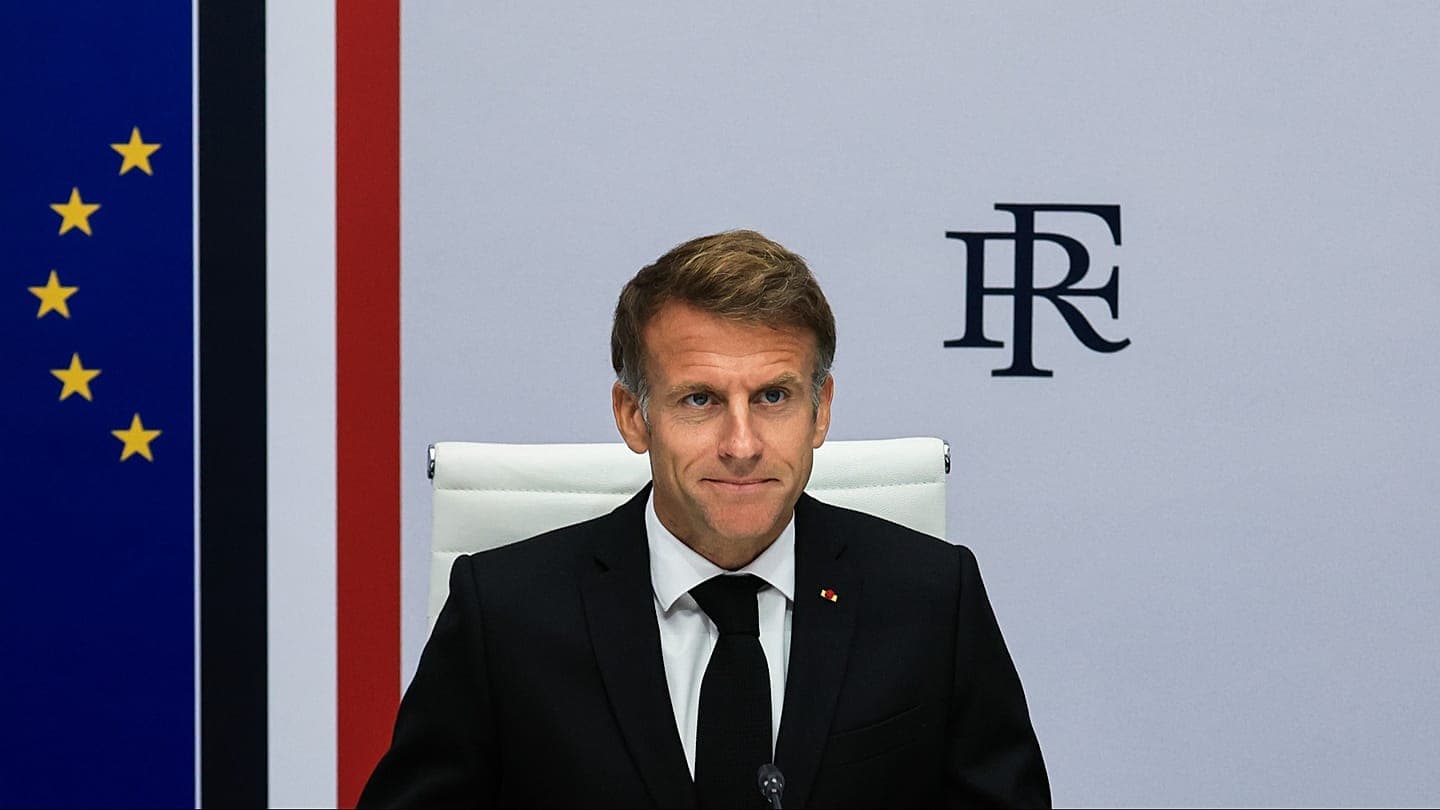
In a statement on October 18, the 'yellow vests' coordination said that protesters were united by discontent over rising prices for fuel, food and housing rent, as well as demands for improvements in education, wages and social benefits. The group called on President Emmanuel Macron to receive a delegation of students, workers, farmers and other protesters at the Élysée Palace. It also called on supporters to maintain blockades and create local assemblies, seeking to extend the nationwide strike planned for November 5 into a sustained campaign. Libeskind said: 'The protesters are demanding the resignation of Emmanuel Macron. We propose to end the Fifth Republic and hope for direct democracy with frequent use of referendums.' The Fifth Republic, established in 1958, gives the president broad powers while the government is accountable to parliament.
How the protests began
The protests began in mid-September, when students at a high school in Créteil near Paris spoke out against dilapidated buildings, overcrowded classrooms and a shortage of teachers. The blockades spread to other schools, gaining the support of teachers and students. During clashes with police, a 15-year-old teenager lost a hand in Lens, and a 16-year-old suffered a serious eye injury in Tours. Outrage over the police actions brought former 'yellow vests' participants back to the streets in solidarity with the schoolchildren. On October 17, activists organized an action against rising prices and stagnant wages, joined by trade unions with demands for higher pay, pensions and improved public services.
Scale and consequences of the October 17 actions
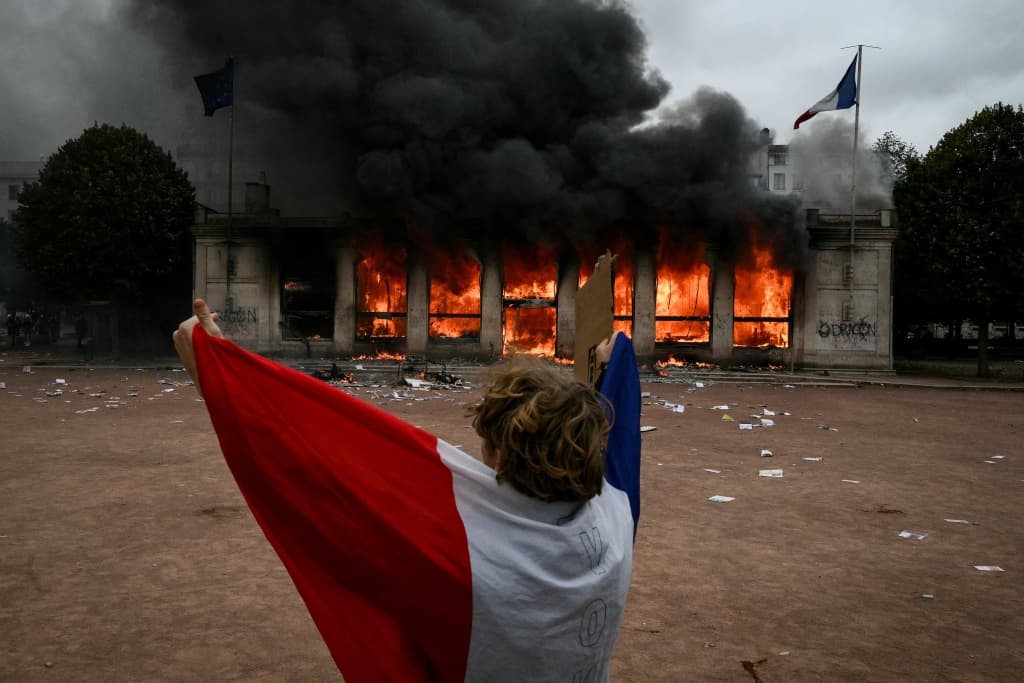
According to authorities, about 550,000 people took part in demonstrations across the country; organizers claimed 800,000 participants. Although most marched peacefully, violence erupted in a number of cities: fire destroyed a 19th-century town hall in Limoges and damaged the tourist office in Lyon; supermarkets and luxury stores were looted. Police used tear gas and water cannons. One demonstrator died, reportedly from cardiac arrest near a march in Paris; the prosecutor's office launched an investigation to determine the cause of death. The Interior Ministry reported 997 police officers and gendarmes injured, seven of them seriously. Justice Minister Gérald Darmanin reported 2,513 detained and 67 jailed after the riots. Libeskind accused the authorities of emphasizing vandalism 'to hide their inability to solve the problems of the French,' and added that 'violence and vandalism alone will not be enough to weaken the movement, given the determination of the protesters.' Student organizations called for demonstrations on Thursday and Saturday, and the National Coordination of High School Students supported the continuation of the blockades.