The key facts
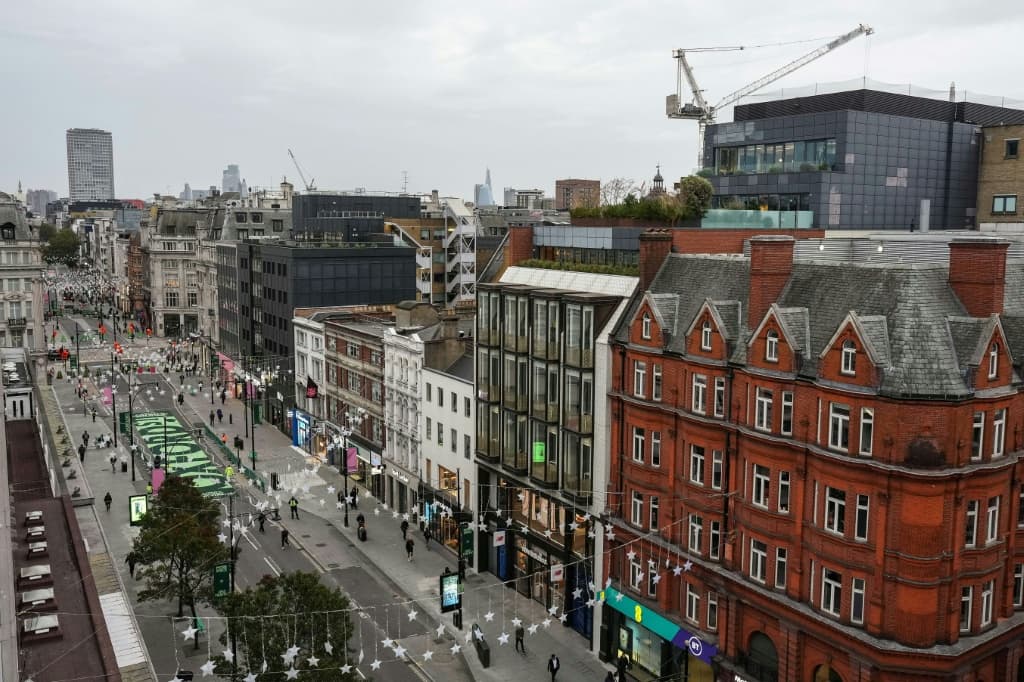
- Almost a kilometre of Oxford Street is permanently closed to traffic, with buses and detour routes redirected
- The street generates around £3.1 billion ($4.1 billion) in spending annually but has been losing visitors due to online shopping and the pandemic
- The plan is criticised by residents of neighbouring areas and disability rights activists; the second phase depends on the success of the first
Pedestrian zone opens
From Monday, 26 October, a section of London's main shopping street — Oxford Street — is permanently closed to traffic. According to euronews, cars, buses, taxis, bicycles and e-scooters are banned on the stretch between Orchard Street and Great Portland Street; buses have been diverted onto detour routes. The Mayor of London, Sadiq Khan, speaking on the street, called the day 'a landmark for Oxford Street and for London' and said he wants to make 'a kilometre of this street — almost half of it — traffic-free forever', hoping the pedestrian zone will increase the number of shoppers (AFP).
The economy and the street's decline
According to AFP, Oxford Street generates around £3.1 billion ($4.1 billion) in spending annually, but the street has faced difficulties: shop closures during the Covid-19 pandemic and a loss of visitors as shoppers moved online. Speaking on BBC Radio 4, Khan described the last couple of decades as 'managed decline' and said he was not prepared to accept the loss of shops and jobs. He added that taxi ranks and bus stops remain near the street for convenient access, and that the measure should 'revitalise' the street and make the capital 'greener'. A Selfridges department store representative, Miv Wall, called the start of the works 'a new chapter' for one of the world's most famous shopping streets.
Criticism and international experience
The project is controversial. According to AFP, residents worried about congestion in neighbouring areas and disability rights activists oppose it. euronews reports that black cab drivers warn that the restrictions could make access harder for passengers with disabilities. The outlet also cites examples from other cities: in 2020 Paris pedestrianised most of the Rue de Rivoli, which attracted more than 20,000 cyclists a day and reduced nitrogen dioxide levels, although critics point to congestion being pushed onto neighbouring streets; in 2015 Brussels closed 800 metres of the Anspach boulevard — some retailers initially reported sales drops of up to 20%, but later 85% backed the project. So far about half of Oxford Street has been pedestrianised; the closure of the rest to traffic is planned depending on the success of the first phase (AFP).
Why it matters
The decision affects millions of shoppers, shop workers and residents of neighbouring London districts: bus routes and access to one of Europe's main shopping streets are changing. In practical terms, it means shops must now be reached via the retained taxi ranks and transport stops, and the fate of the other half of the street will be decided based on the results of the first phase — the outcome of the experiment may determine whether the pedestrianised shopping street model becomes the norm for other cities as well.