The key facts
- Chancellor John Healey's Budget will be presented on Wednesday at around 13:00; preparations are being run on a 'compartmentalised' basis with code names and non-disclosure undertakings
- Chancellor John Healey's budget will be presented on Wednesday at around 13:00; preparations are being run on a 'compartmentalised' basis with code names and non-disclosure agreements
- The UK economy is the fastest-growing in the G7 this year, but inflation rose to 3.5% in September and borrowing exceeded forecasts
- The government is reportedly planning to save on benefits, seeking to return 1.35 million people with mental health problems to work
- The government is reportedly planning to save on welfare payments, seeking to return 1.35 million people with mental health problems to work
Secret preparations and a difficult economic backdrop
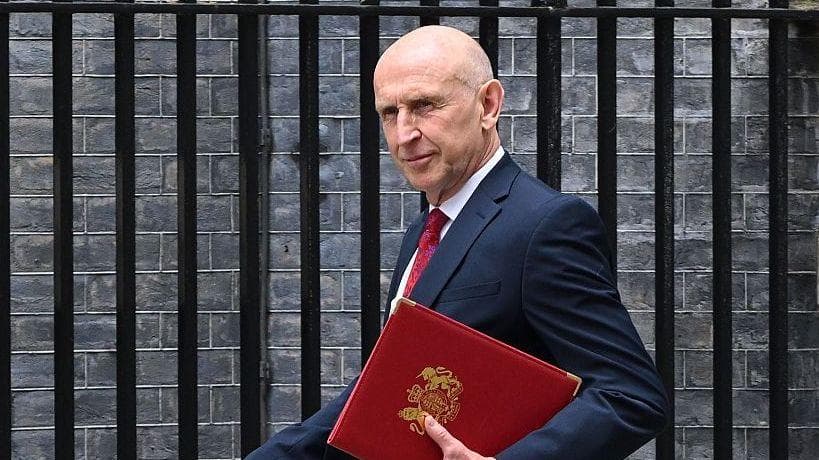
UK Chancellor of the Exchequer John Healey will present the Budget on Wednesday at around 13:00 in the House of Commons. Preparations are under way with almost no leaks: according to BBC News, documents are divided into 'compartments', with only a few people having access to all of them, code names are used, IT systems are locked down, and ministers sign a digital undertaking not to brief the media. Such measures are a response to the fact that speculation around the previous Budget, fuelled by insiders, destabilised the economy. Healey himself, who previously served as Defence Secretary, publicly refuses to reveal the contents of the package.
Strong results amid growing risks
The economic news has so far been favourable: the UK is the fastest-growing G7 economy this year (0.6% in the first quarter and 0.5% in the second), while the third quarter, according to BBC News estimates, is heading for 0.6–0.8%. Each quarter, growth was double the Office for Budget Responsibility (OBR) forecasts made in March. The IMF singled out the UK among G7 countries for planning to reduce borrowing, and traders' attention has shifted from British to French and American debt risks. At the same time, inflation in September rose more than forecast — to 3.5%, and borrowing is also higher than expected, which, in the outlet's assessment, makes an interest rate rise by the Bank of England quite likely. By January, typical energy bills are forecast to rise by 16%, and there remains concern about a bursting of the AI investment bubble.
A 'feel-better' strategy and welfare plans
Prime Minister Burnham and Healey, according to BBC News, are relying on relatively inexpensive measures that lift consumer mood: capping the cost of bus passes and a temporary VAT cut on household energy bills. There is little spare money, which limits the scale of 'temporary and targeted' measures. At the same time, as the outlet notes, the theoretically more left-wing Labour government believes it has the political capital to make savings on welfare payments: the goal is to return to work some of the 1.35 million people who are not working because of mental health problems. According to some reports, benefits for some young people may be cut, with the state instead investing in employment support, including, for example, workplace therapy.
The Chancellor's constraints and what to watch on Wednesday
Healey stresses fiscal discipline: 'The Budget I present must have fiscal discipline and maintaining control of the public finances running through it as a red thread, otherwise we will not cope with the costs of servicing the debt,' he told BBC News. The outlet notes the contrast with the Treasury of Gordon Brown's era: back then there was a surplus; now there is a deficit of £120 billion with total government debt of £3 trillion, and the Chancellor is constrained by the OBR, election promises and the bond markets. The key moment on Wednesday is not so much the speech as the borrowing tables in the OBR forecast (assuming last year's publication glitch is not repeated) and the Debt Management Office's publication of its gilt sales plan: it is the markets' reaction to these figures that will be the real test of the Budget. There is also the possible route of deferring the hardest decisions — for example, funding the rise in defence and social care spending — if the situation with Iran improves in the coming months or the OBR revises last year's downgrade of its long-term growth forecast.
Why it matters
The Budget will determine whether the unexpectedly fast economic growth can be sustained against 3.5% inflation and the risk of a Bank of England rate rise. It directly affects British households — through energy bills, which could rise by 16% by January, mortgage payments and, according to reports, benefits for people with mental health problems. The specific measures are already practically known — capping bus fares and a temporary VAT cut on energy — while the main test on Wednesday will be faced by the bond markets when the borrowing plan is published.
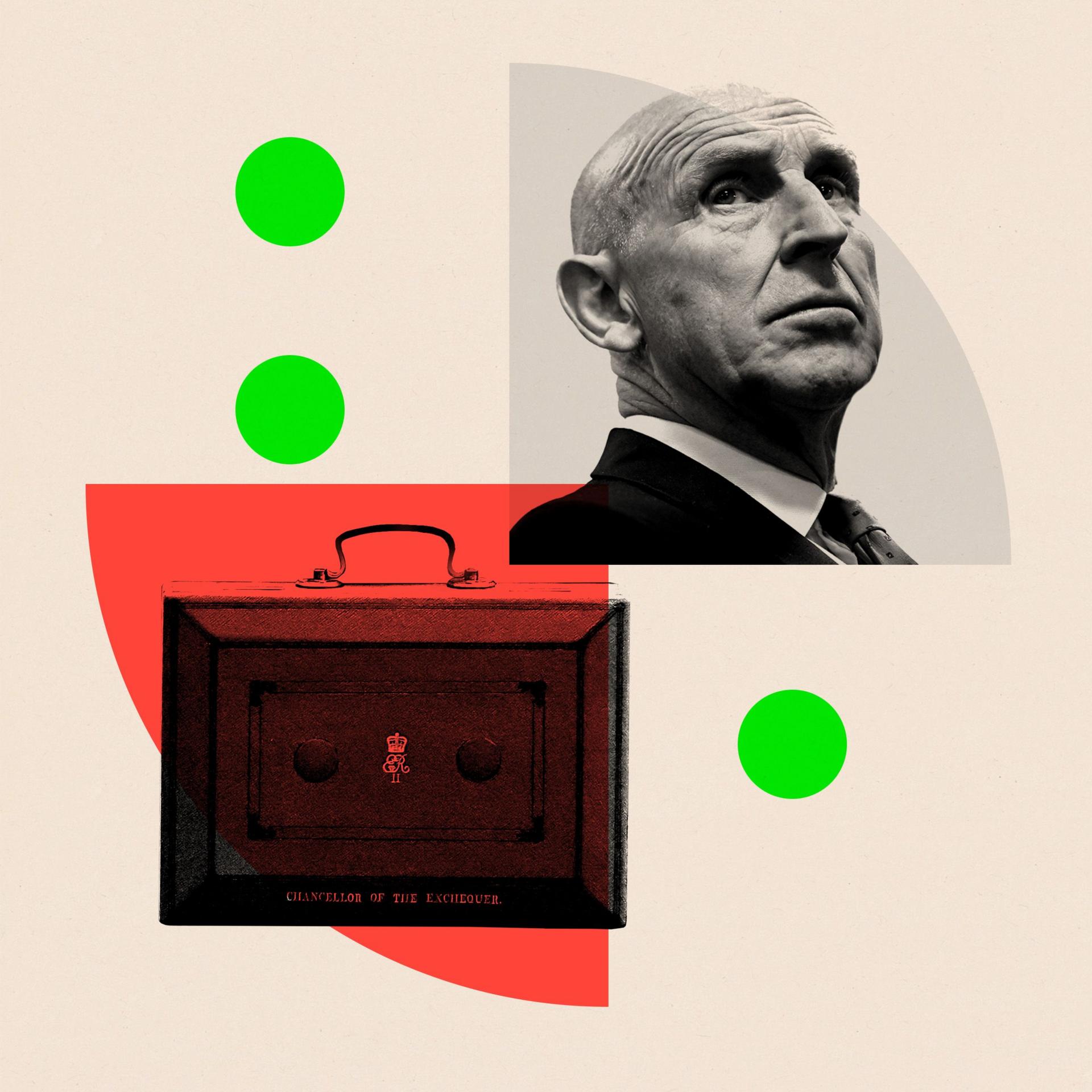

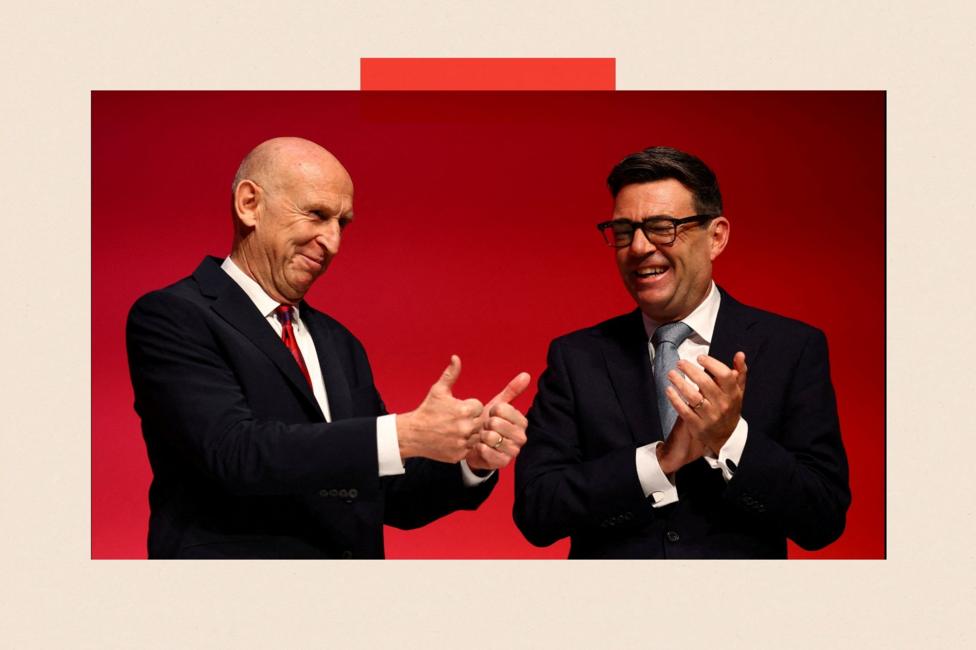 Image source, Reuters
John Healey has embraced strict security procedures to keep this year's budget secret
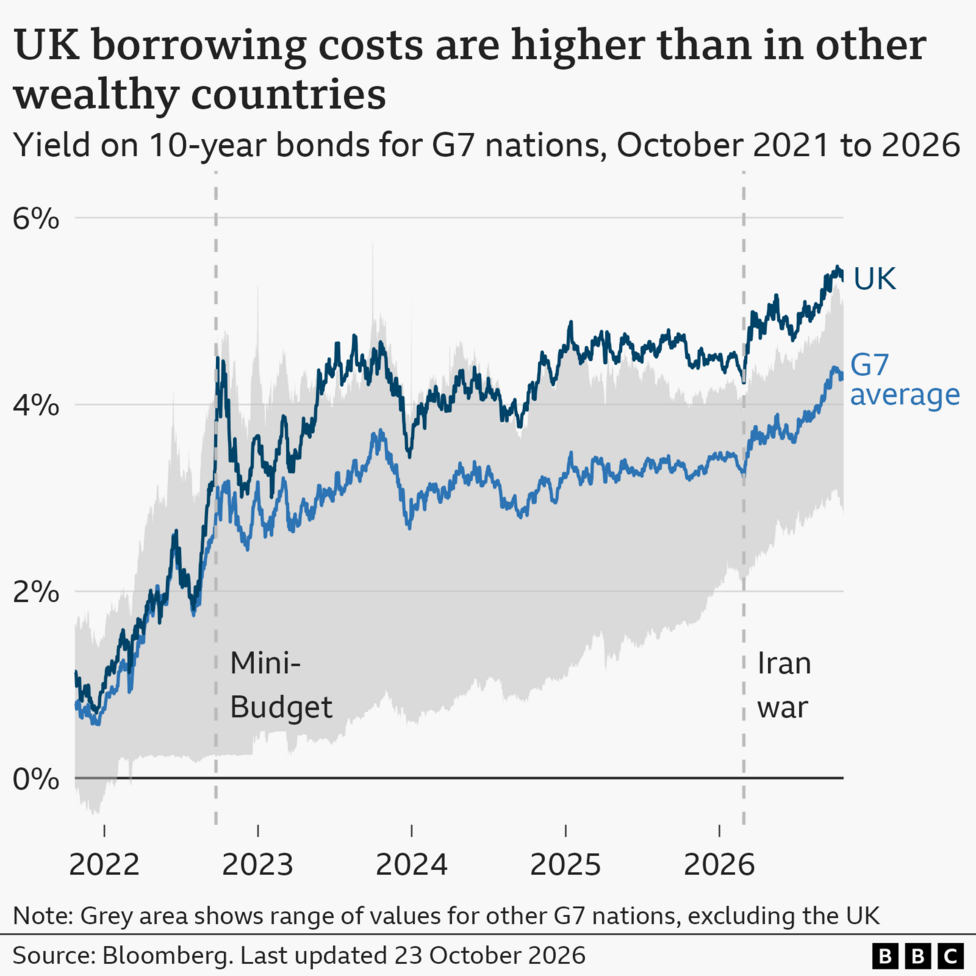
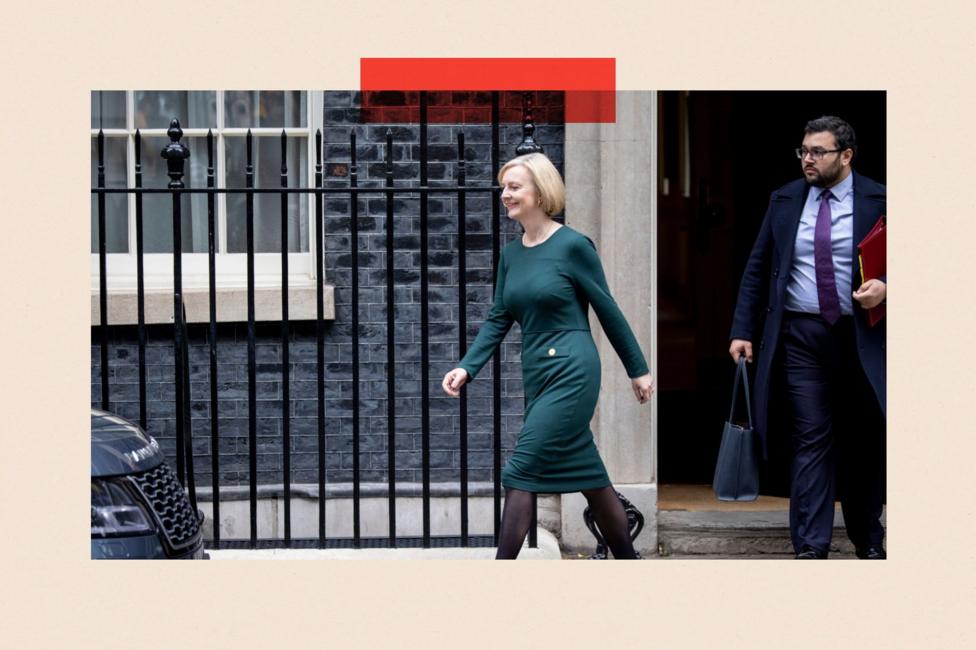 Image source, EPA-EFE/REX/Shutterstock
After Liz Truss's mini-budget, the UK faced the highest borrowing costs in the G7
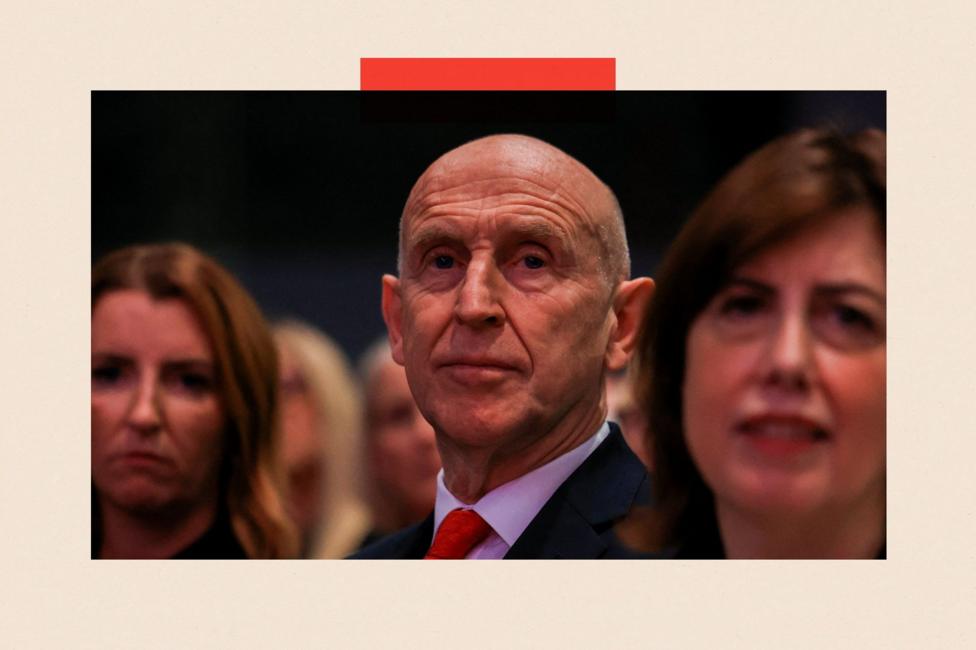 Image source, Reuters
At the Labour conference, Healey wore the same tie once worn by Gordon Brown
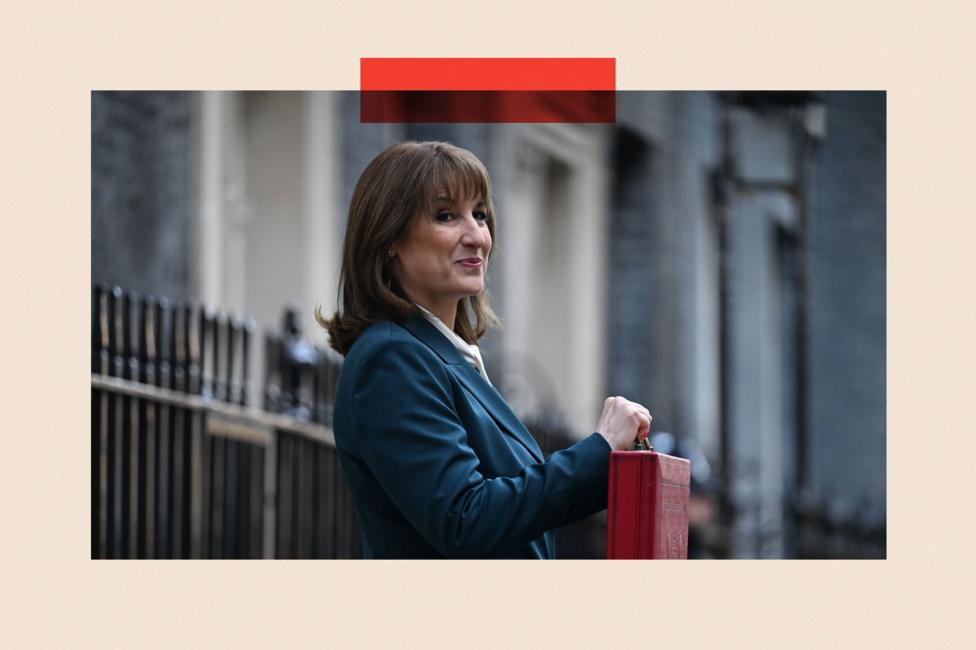
Healey says he will take on some of the challenges Rachel Reeves found tricky to resolve