The key facts
- More than £1bn for social and affordable housing in England; funding for the 10-year housing programme will exceed £40bn
- Mayors will receive £285m of transitional funding next year and a £1.5bn borrowing mechanism from 2028
- Treasury adviser Alex Depledge will resign on Thursday, the day after the Budget; the Sunday Times reports plans to announce billions of pounds in new defence spending
Housing and powers for regions
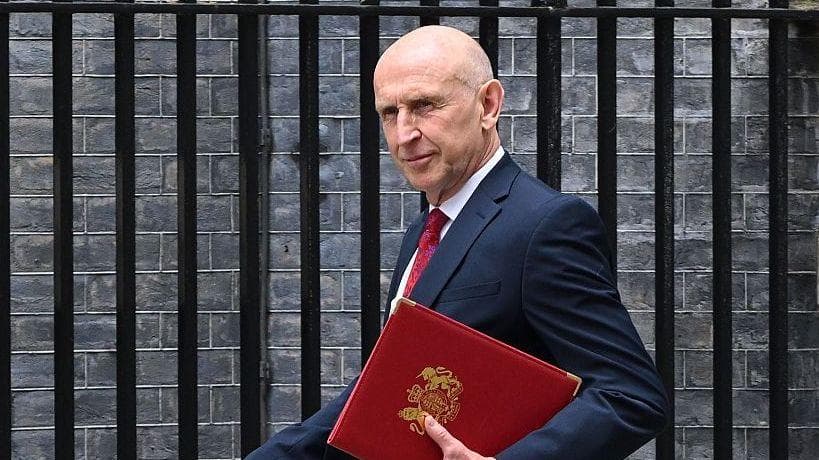
Chancellor John Healey will present his first Budget on Wednesday. As BBC News reports, it will include more than £1bn for social and affordable housing in England, bringing funding for the government's 10-year housing programme to more than £40bn. Mayors and regional leaders in England are expected to receive greater powers and funding: councils will be helped to borrow from the government for housebuilding at favourable rates. According to the Treasury, next year £285m of transitional 'start-up' funding will be allocated, to reduce reliance on Whitehall's 'fragmented competitive funds'; regions that have not yet become strategic authorities will also be able to claim a share of this money. The government will also confirm work with mayors on a new £1.5bn borrowing line from 2028, which can be directed towards housing, reviving high streets or transport. Healey said that England's cities and regions would receive 'the right to decide their own future', while the prime minister, Andy Burnham, said the announcement marks 'the end of local leaders making begging trips to Westminster'. The Mayor of London, Lord Sadiq Khan, noted that expanded investment powers could help projects such as the West London Orbital, the Bakerloo line extension and the development of Stratford International station.
Defence and opposition criticism
According to the Sunday Times, cited by BBC News, Healey is expected to announce billions of pounds in new defence spending, with specific details to be set out next year in the spending review. The defence theme has accompanied the Budget preparations: Healey himself in June left the post of defence secretary in the previous government over an investment plan which, in his words, 'fell significantly short' of the funding needed by the armed forces, and he campaigned for spending to rise to 3% of GDP by 2030 on the way to NATO's 3.5% target in 2035. Shadow chancellor Andrew Griffith called on Healey to resign if he does not set out a plan to spend 3% of GDP on defence by 2030. Defence Secretary Wes Streeting, in response, blamed the Conservatives for insufficient investment in the military and said the government is 'fully determined to give the armed forces the investment needed for our security'.
Adviser's resignation and support for breweries
The Budget preparations have suffered a blow: the Treasury's adviser on entrepreneurship, Alex Depledge, announced she will step down on Thursday, the day after the Budget. In an interview with the Sunday Times, she said start-ups are treated as 'a sideshow' and should not be pushed 'to the margins of economic policy', adding that 'keeping scalable companies on the sidelines underestimates the contribution of our greatest companies'. At the same time, the Treasury announced that the Budget will include additional support for small breweries: the chancellor wants to 'turn the tide for our pint producers'. It is editorially notable that the main announcements — housing, devolution and defence — concern the allocation of public money for years ahead, whereas Depledge's complaint points to a dispute over priorities within the Budget preparations themselves; defence funding details should not be expected before next year's spending review.
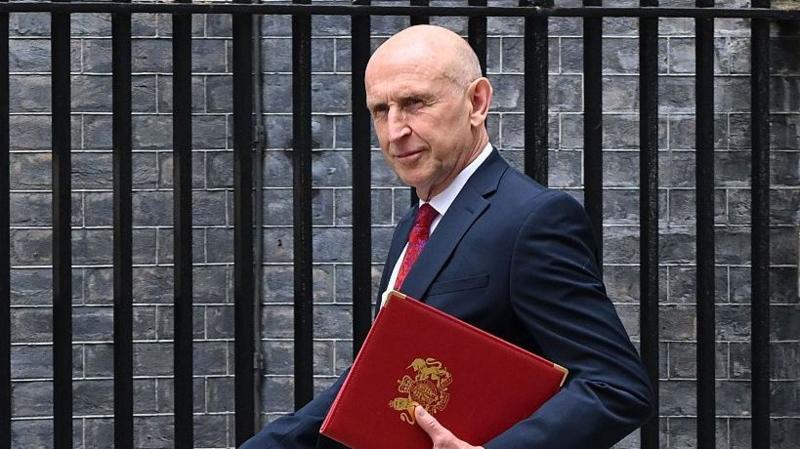 Image source, Getty Images
Chancellor John Healey will present his first Budget on Wednesday