The key facts
- Residents of northern Israel and reservists are demanding Netanyahu's departure and 'dramatic change' ahead of the election
- Residents of northern Israel and reservists demand Netanyahu's departure and 'dramatic change' ahead of the election
- About 70,000 people in the north were evacuated for nearly two years because of the war with Hezbollah
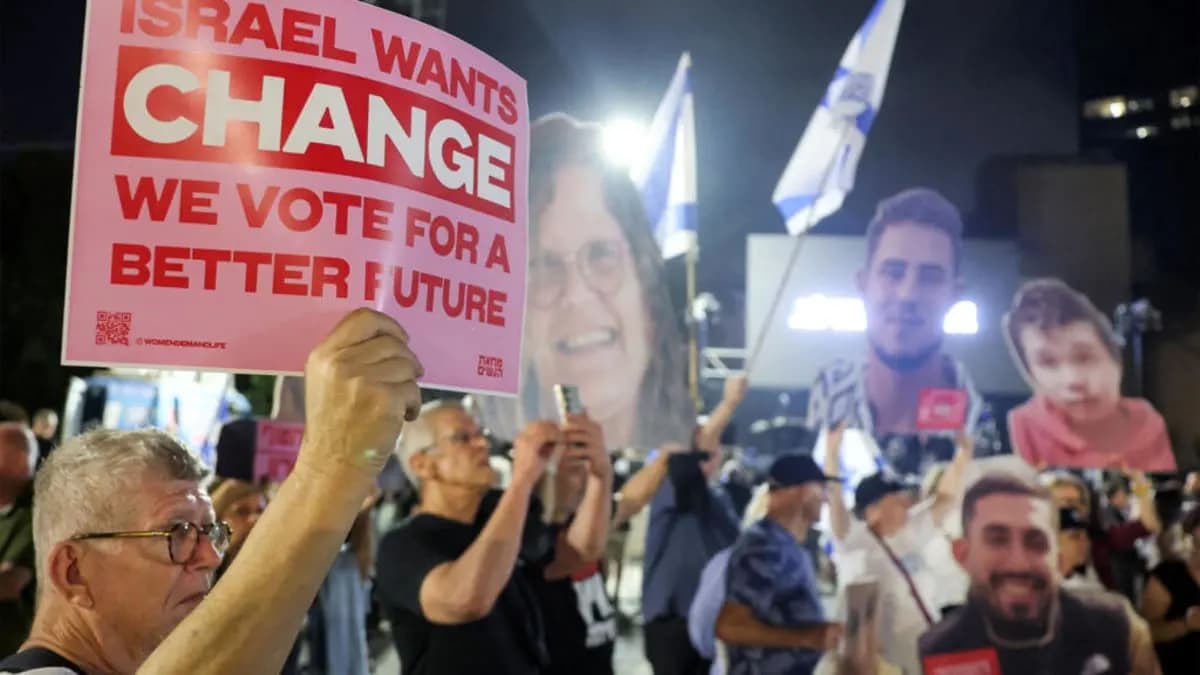
- At an anti-government demonstration in Tel Aviv, protesters demanded an investigation into the events of October 7; Netanyahu refuses to establish a commission
Northern voters against the sitting prime minister
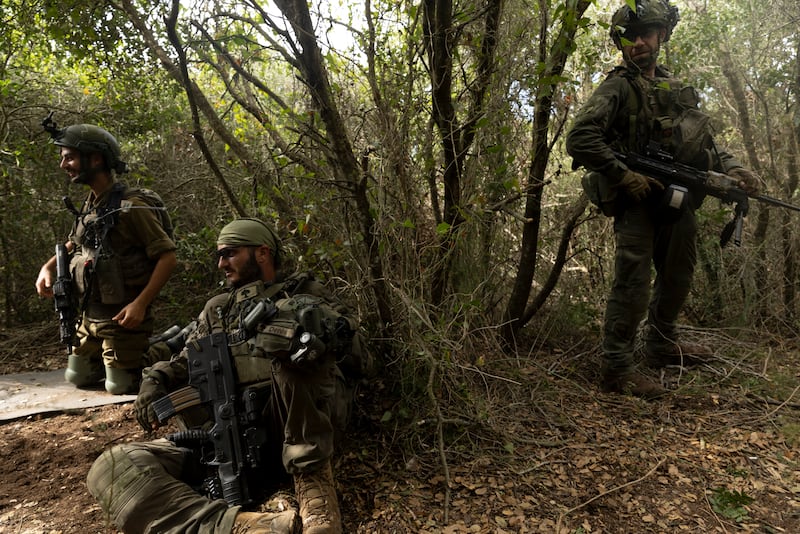
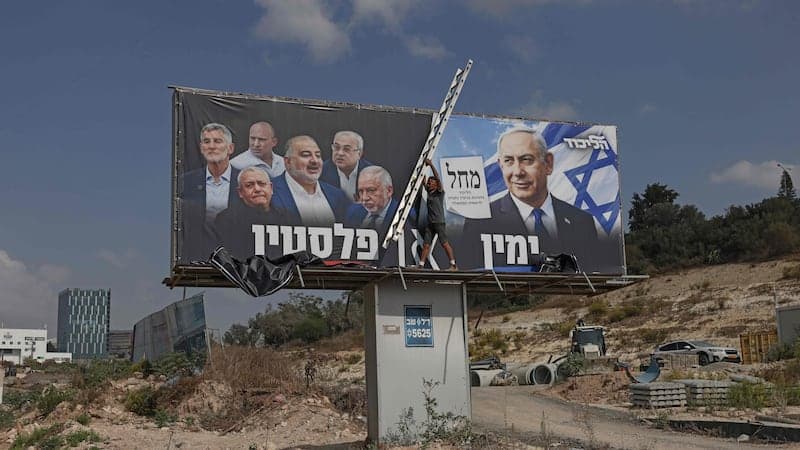
Days before Israel's election residents of the country's northern areas told The National that Israeli politics needs 'dramatic change', including the departure of Prime Minister Benjamin Netanyahu from government. Among those interviewed were senior officers and soldiers who had served in Lebanon; they voiced frustration over the damage Hezbollah has inflicted on the economy and Israeli communities. Critics called on Netanyahu to take responsibility for the security failures in the October 7, 2023 attacks, and said that after nearly 20 years in power his time is up — especially given a ruling coalition that, in their view, has done the country great harm.
Voices from frontline kibbutzim
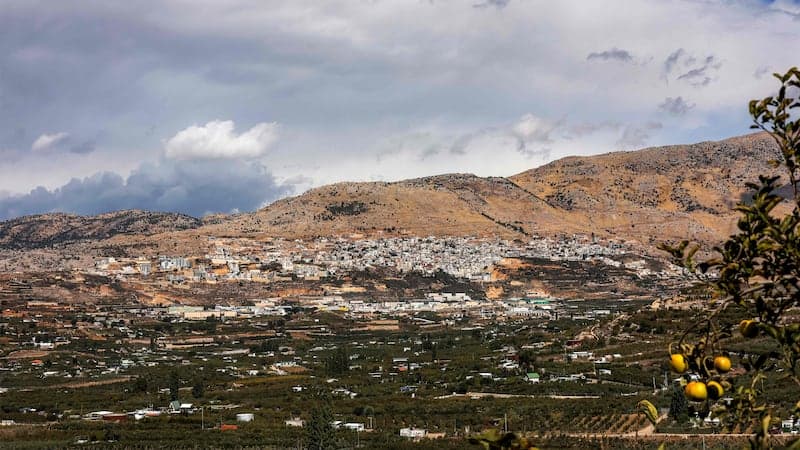
In Kibbutz Dafna near Kiryat Shmona, reserve lieutenant colonel Eyal Dror, just back from a tour of duty in Lebanon, called the current coalition 'one of the worst we have ever had in Israel' and expressed hope for a new government. According to him, about 70,000 people in the north were evacuated for nearly two years after the war with Hezbollah, which followed the Hamas attack, and a new government is needed to rebuild the economy, especially in the north. He described opposition leaders Gadi Eisenkot and Naftali Bennett as 'very professional people' capable of leading the country to that goal.
Differing views on future coalitions and the Palestinian question
Barry Praag, a voter for the centre-left Democrats party, also from Kibbutz Dafna, believes a coalition government is inevitable and stresses that it will be important for the new leadership to work with Israeli-Arab parties on the Palestinian question. 'We must embrace the idea of a two-state solution with the support of the surrounding Arab countries, otherwise it will not work,' he said, adding that Netanyahu 'has a lot to answer for' and that 'the responsibility lies with him.' Liron Shelef of Kibbutz Shiomir, located about a kilometre from the Lebanese border and who spent most of the past three years taking part in military operations in the north, has not yet decided whom to vote for — a position he believes is shared by many Israelis — but is certain the country needs a new government. He called 'dramatic' change necessary in the economy and in the situation of religious citizens who do not serve in the army, and added that anyone who was part of the government on October 7, 2023 should 'be honest enough to say: it is time for change.'
The Hezbollah threat and protests in Tel Aviv
For many residents of the north, the threat from Hezbollah has not gone away: they fear the Iran-backed group in Lebanon is biding its time for a new attack. Dror said the Lebanese government needs to do more against Hezbollah in order to 'take back its country,' but that only Israel can weaken the group. At the same time, like many in the north, he wants to live in peace, so that tourism returns, the economy recovers and his children can go to school: 'As long as I have to send my son to a school located 600 metres from Lebanon, and Hezbollah has the ability to fly a drone over that school, I do not feel safe.' He did not rule out further military action, though he hopes the new government's politics and diplomacy can resolve the problem. Meanwhile, on Saturday evening another anti-government demonstration was held in Tel Aviv demanding an investigation into the failures connected with the October 7 attack; Gadi Eisenkot, Netanyahu's chief rival, was greeted with cheers by the crowd. Netanyahu himself refuses to establish a commission of inquiry, arguing that it would be biased against his government.
Why it matters
The mood among northern voters shows that the election outcome may be decided precisely by the frontline areas hit by evacuation and the war with Hezbollah— and this directly affects Benjamin Netanyahu's chances of holding on to power. For residents of the north, the practical issues are the security of border communities and rebuilding the economy, including the return of evacuees and the resumption of tourism. The demand for an investigation into the events of October 7 remains a central point of political conflict: the prime minister refuses to establish a commission, while the opposition has made it its rallying cry.