The key facts
- Trump ruled out military strikes on Iran on Sunday, but earlier spoke of a choice between a deal and 'finishing them off'
- According to him, the US controls the Strait of Hormuz, and traffic through it exceeds pre-war levels
- Trump also commented on migration protests in Europe, upcoming talks on Ukraine and Taiwanese semiconductors
Trump ruled out strikes but kept the ultimatum in place
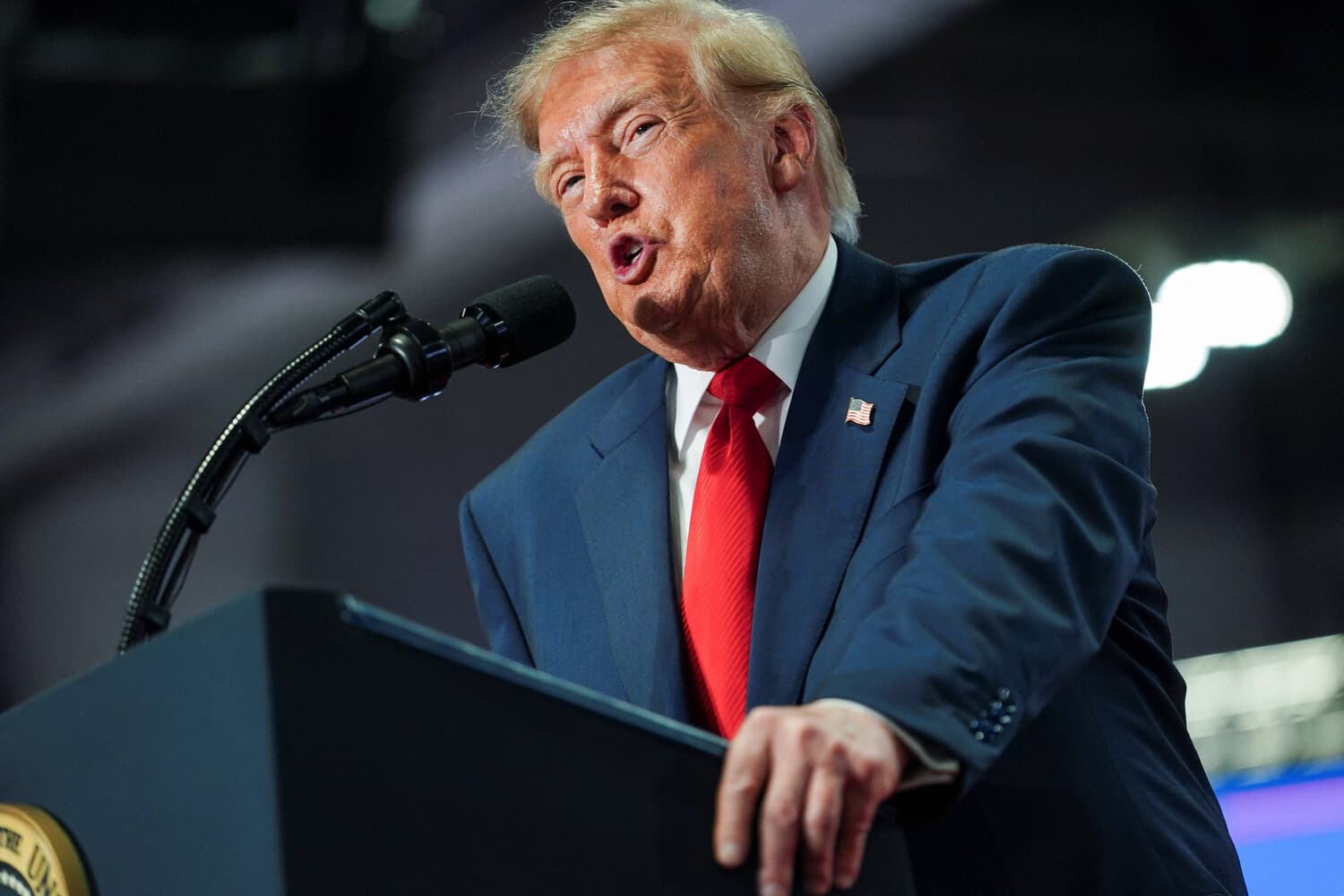
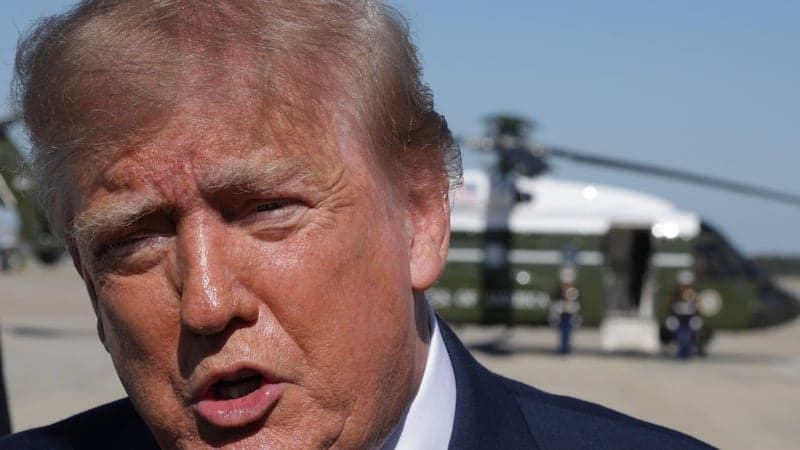
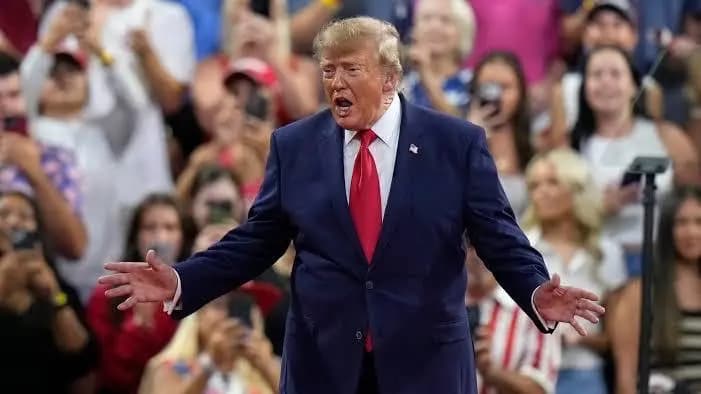
US President Donald Trump on Sunday, October 25, ruled out immediate military strikes on Iran. Answering reporters' question before departing for a campaign rally in Michigan about a possible strike that same day, he said: 'Will I tell you about it? But the answer is no. There will be no strike,' Anadolu reports.
The ultimatum to Tehran and the Strait of Hormuz
Earlier that same Sunday, speaking on Fox News, Trump laid out an ultimatum: 'Should I make a deal with them, or should I finish them off? That's the only question,'— presenting a choice between diplomacy and an escalation of military action. He claimed that American forces fully dominate the region's sea lanes: 'We now control the Strait of Hormuz. They get nothing. Yes, we get everything.' According to him, commercial traffic through the strait exceeds pre-war levels, and the US Navy's blockade of Iranian ports and shipping is working 'incredibly' effectively. On Saturday, Trump had also entertained both new strikes and a comprehensive agreement, doubting whether Tehran would honor any potential commitments. According to Anadolu, control of the Strait of Hormuz remains the central point of friction in the war with Iran, which began in late February after joint US-Israeli strikesdespite the ceasefire and the memorandum on concluding a final peace agreement.
Other topics: Ukraine, Brazil, Europe and Taiwan
In the same appearance, Trump touched on the war in Eastern Europe, noting that high-level talks involving Russia, Ukraine and the US would take place 'soon,' and expressing the view that both sides want a deal. On Brazil's presidential election, he declined to endorse any candidate, noting that the administration is 'watching' the campaign. On migration, Trump linked protests in France, Italy, Belgium and Spain to weak border controls and claimed that not a single illegal migrant had entered the US in the past 18 months; he also said he had previously warned French President Emmanuel Macron: 'You are destroying France. You are letting in people who hate your country.' In addition, Trump accused Taiwan of having 'stolen' the entire American semiconductor sector through dumping prices: 'They stole our chip business, all of it, 100%.'
Context and limitations
Trump's statements are contradictory in tone: in one case he rules out a strike 'on Sunday,' in another he leaves open the possibility of a military solution in principle — these are two different statements, not a direct contradiction between outlets, since both texts come from Anadolu. It is unknown what the timeline and terms of a possible deal might be, or Tehran's reaction; the sources provide no confirmed data on this. The editorial conclusion, based on the facts presented: the public pairing of 'deal or destruction' and the claim of control over the Strait of Hormuz indicate that Washington is using military pressure as a negotiating tool, but the publications contain no confirmed information about the actual state of shipping through the strait — only Trump's own words are cited.