The key facts
- Trump: “I have a decision to make: finish it off or make a deal”
- “No strike will happen today,” the president said at the White House
- The US has sent a third carrier strike group toward the Persian Gulf and is reducing staff in Saudi Arabia
Trump weighs options on Iran
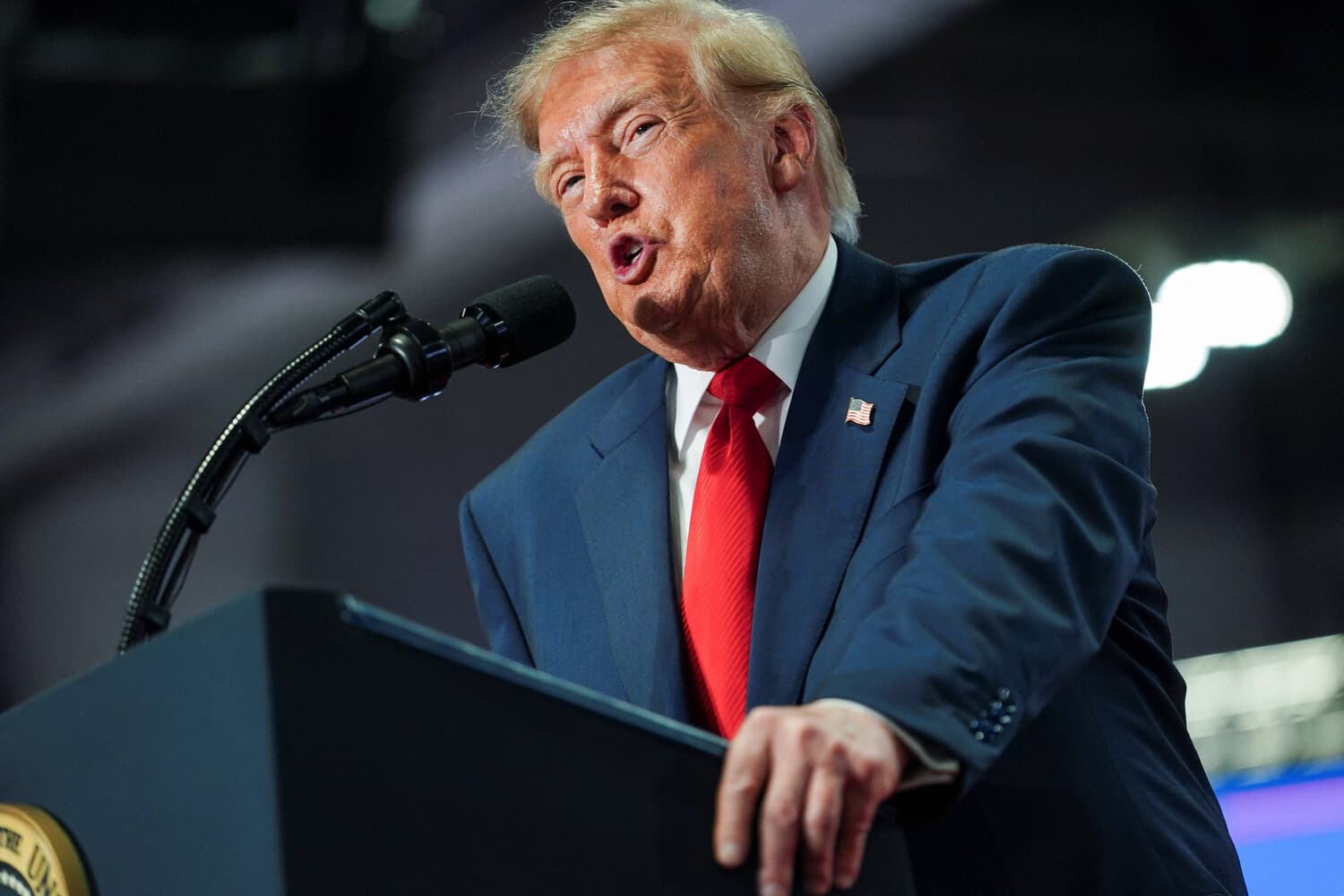
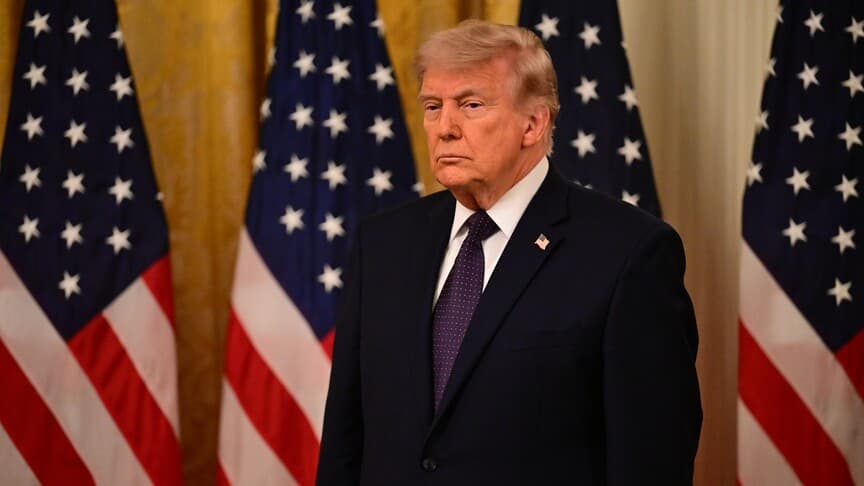
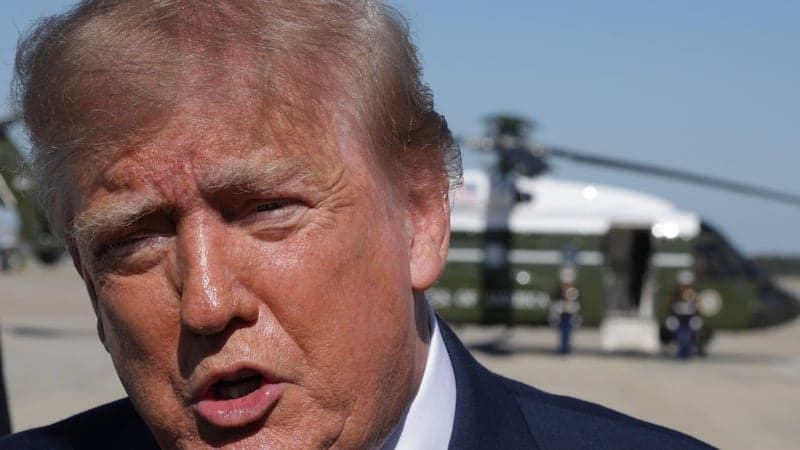
US President Donald Trump said on Sunday, October 25, that he has a “no strike will happen today” (The National).
Elections and force buildup
According to The National, Trump had previously said he would not strike Iran before the midterm elections on November 3, which is approaching its eighth month, could noticeably affect voters, as fuel prices and other essential goods remain high. In recent weeks, the US has sent additional forces to the Persian Gulf, including a third carrier strike group. Officials warn that the period between the elections and the seating of the new Congress could be especially dangerous, while a negotiated settlement is seen as the most likely way to end the conflict.
Staff reductions and security measures
The US is reducing diplomatic and military personnel in a number of Middle Eastern countries amid growing threats from Iran and its Houthi allies in Yemen, while Washington denies a broader withdrawal of troops from the region. On Sunday, the US Embassy in Saudi Arabia said that government employees now require special authorization from the chief of mission to use any airport in the country. Employees are prohibited from being within 32 km of the Yemeni border, and travel to the provinces of Jizan, Asir and Najran and to the cities of Qatif, Yanbu and Taif requires special permission. US citizens were advised to take into account possible attacks on airports, airspace closures and flight cancellations (The National).
Centcom on freedom of navigation
The head of US Central Command (Centcom), Admiral Brad Cooper , visited the Strait of Hormuz on Sunday, underscoring Washington's readiness to help Gulf partners export oil. According to Centcom, since the summer the US has helped regional allies export more than 1.5 billion barrels, and US forces have
Why it matters
The combination of Trump's statements, the force buildup and the restrictions on personnel in Saudi Arabia points to a high level of tension, with the president himself identifying the window after the November 3 elections as a potential decision point. For Gulf states and shipping companies, this means a continuing risk to oil exports and logistics through the Strait of Hormuz, although Centcom reports successful protection of shipping lanes. In practical terms, this also affects travelers: the embassy has already introduced a permit-based movement regime for government employees in Saudi Arabia. Editorial analysis: as of now, neither a deal nor a strike has been announced, and the outcome remains uncertain.