The key facts
- Trump answered “no” when asked about a strike on Iran on October 25
- According to WSJ, the final US line toward Iran has not been determined
- Earlier, Trump spoke of a possible new operation, while Putin pointed to the fragility of the truce
Trump rules out a strike on October 25
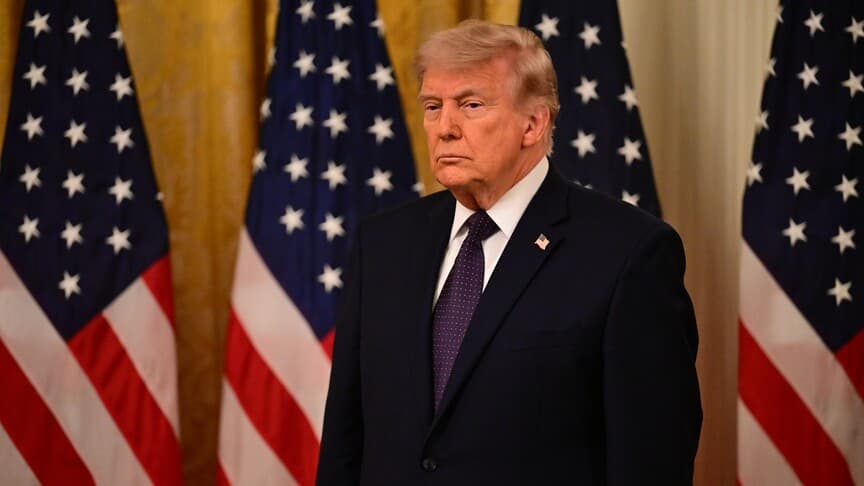
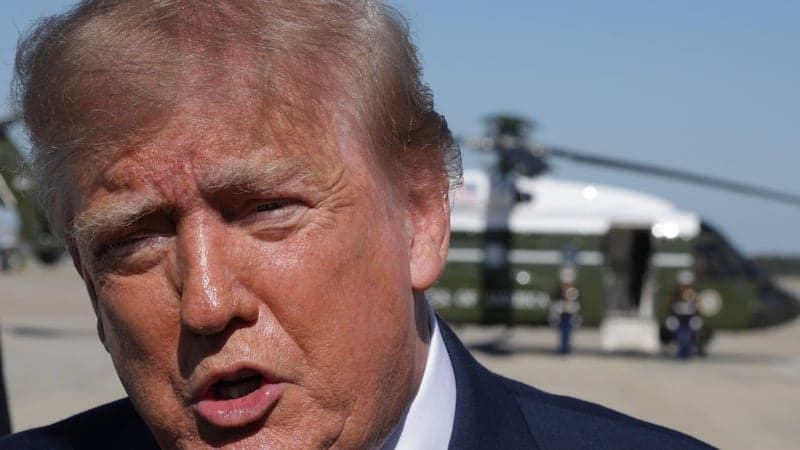
US President Donald Trump said that the American military will not strike Iran on October 25. “The answer is no. There will be no strike today,” he told reporters; his remarks were carried by Fox News, as reported by Gazeta.Ru.
No decision on Iran has been made yet
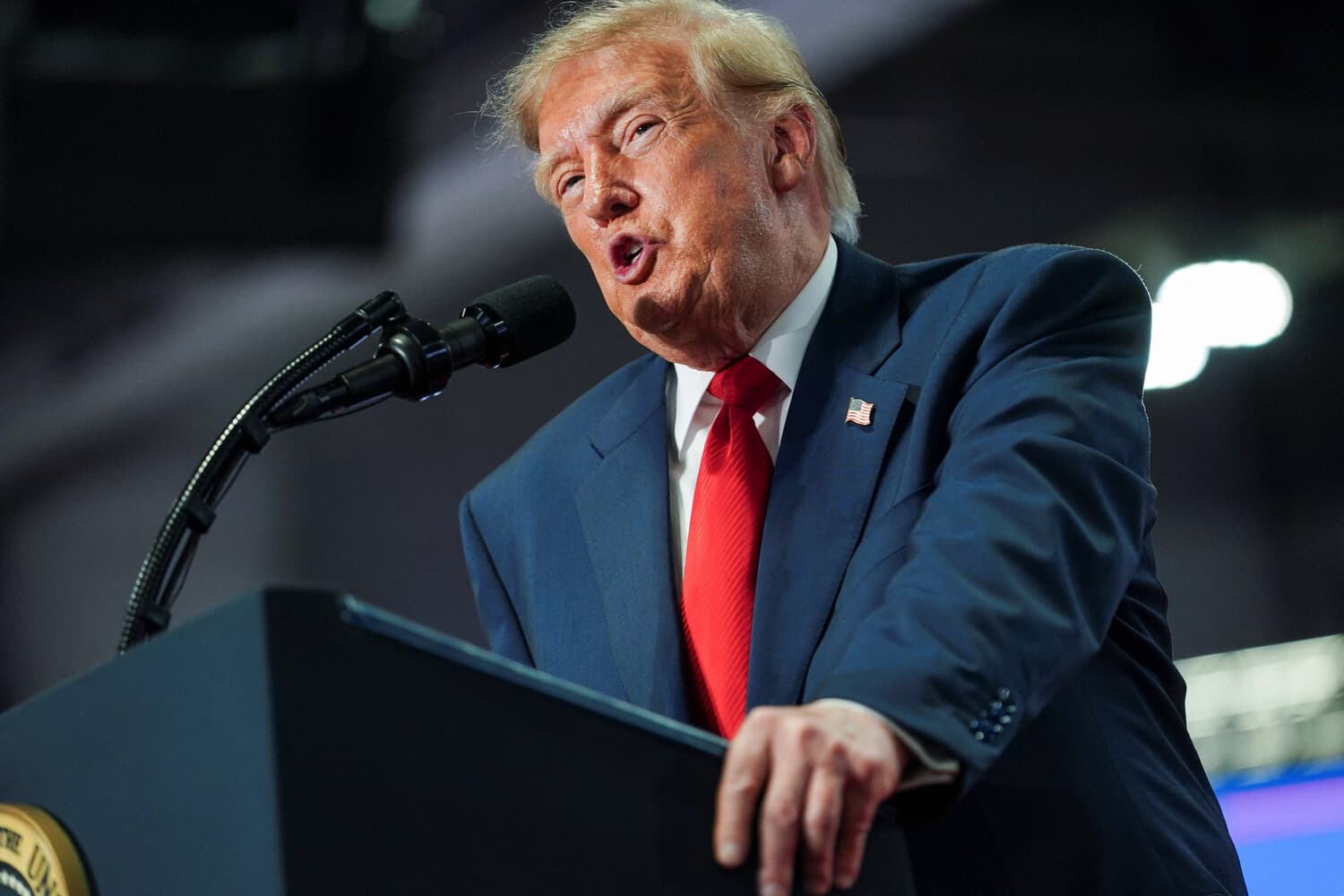
The statement ruling out a strike on a specific day does not mean the issue is closed. Earlier, Trump said he had to make a decision on Iran — to “finish off” the country or negotiate a deal. According to The Wall Street Journal, a final decision on the US line toward Iran has not yet been made, but the White House is leaning toward resuming strikes as part of a continuation of large-scale combat operations. Trump has also publicly mentioned carrying out another operation against Iran — at a rally before supporters in Florida.
Context: a fragile truce and warnings
Russian President Vladimir Putin noted back in September that the ceasefire agreement between the US and Iran is “too fragile”. Earlier, Trump also warned Russia and China of “bad consequences” if they provided military assistance to Iran. Thus, the refusal to strike specifically on October 25 goes hand in hand with the White House’s publicly undefined position: according to available reports, the question of resuming combat operations remains open, and no final decision on the future line toward Iran has been made.
Why this matters
The situation directly concerns the prospects of large-scale combat operations around Iran and the positions of the parties involved, including Russia and China, to whom Trump addressed warnings. For observers, the key practical point is that the refusal to strike is tied to a specific day: according to WSJ, the decision to resume strikes has not been canceled, so statements from the White House should be assessed day by day rather than as a definitive rejection of the military option.