The key facts
- Netanyahu postponed measures on Gaza until the October 27 elections, including the departure of 5,000–7,000 Palestinians for police training in Egypt, according to KAN and Israel Hayom
- Also postponed are the construction of a new city in Rafah, the deployment of an international force, and the arrival of the National Committee for the Administration of Gaza
- According to the Gaza Ministry of Health, 1,551 Palestinians have been killed and 5,573 wounded since the ceasefire came into effect on October 10, 2025
Postponed measures
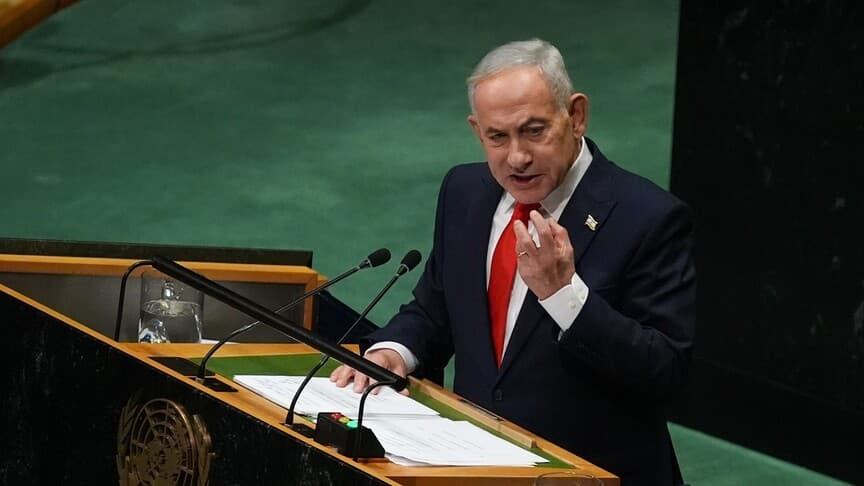
Israeli Prime Minister Benjamin Netanyahu has ordered the postponement of security and administrative arrangements for the Gaza Strip until the October 27 elections, Israeli media reported on Sunday. This was reported by Israel's public broadcaster KAN as well as the newspaper Israel Hayom. According to KAN, Netanyahu ordered the postponement of the departure of about 7,000 Palestinians from Gaza to Egypt for police training, even though this measure had been approved by the Israeli security service Shin Bet. The outlet noted that the decision became part of a 'series of steps regarding the future of the Gaza Strip that the Israeli political leadership has postponed until the elections.'
What exactly has been frozen
In addition to the police training, the postponed measures include preparations for the construction of a new city in Rafah, the deployment of an international stabilization force in Gaza, and the arrival of the National Committee for the Administration of Gaza. Israel Hayom reports that Shin Bet granted permission for the departure of between 5,000 and 7,000 Palestinians being considered for police training in Egypt. According to the newspaper, the security service's role was limited to vetting the names submitted by the Board of Peace of US President Donald Trump, and it had no authority to decide whether the candidates could leave. Sources cited by the newspaper claim that instructions to postpone measures for Gaza's reconstruction were issued by Israeli political leaders gradually over recent weeks, rather than through a single direct order to suspend the process, and included general instructions to implement the measures after the elections. According to the sources, the delays may reflect concerns that Gaza's reconstruction and the training of Palestinian police in Egypt 'do not serve Netanyahu's political interests at the moment.'
Context of Trump's plan and Netanyahu's position
In August, Netanyahu denied that he had approved the deployment of an international stabilization force in Gaza, even though it is part of Trump's plan to end Israel's war in the territory. According to the Board of Peace, the force is to consist of troops from several countries under the command of an American general. In July, the Board of Peace announced a roadmap for the next stages of the ceasefire agreement: the transfer of governance of Gaza to a national committee under international supervision, the deployment of an international force, the transfer of Hamas's weapons to the committee's responsibility, and a phased Israeli withdrawal alongside reconstruction. Hamas announced its acceptance of the plan and demanded that Israel be made to implement it. Netanyahu, however, stated in August that he rejects the arrangements, insisting on the disarmament of Hamas before any Israeli withdrawal.
Casualty figures
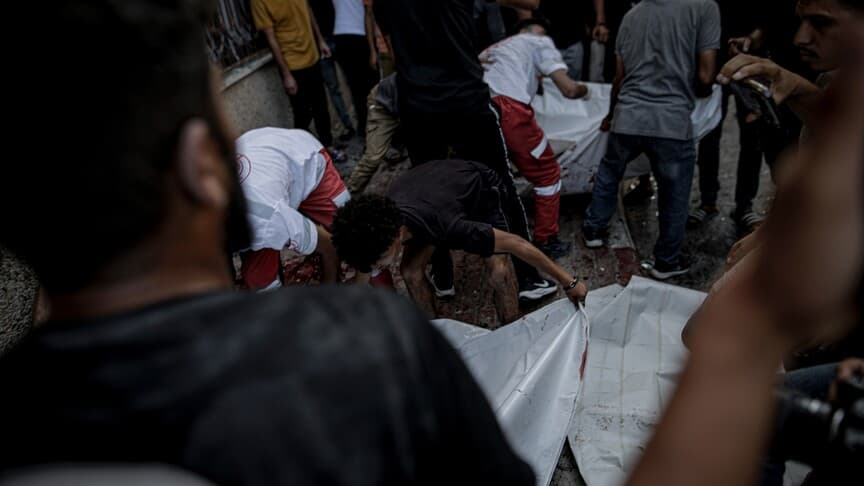
Despite the ceasefire that came into effect on October 10, 2025, the Israeli army has killed 1,551 Palestinians and wounded 5,573, according to the Gaza Ministry of Health. Since October 2023, the war in Gaza has, according to these figures, claimed the lives of more than 74,000 Palestinians, more than 175,000 have been wounded, and about 90% of the territory's civilian infrastructure has been destroyed.
Significance
The postponement affects several elements of Trump's plan at once — from the formation of a Palestinian police force to the governance of the territory — and its practical consequence is that the implementation of the Board of Peace's roadmap is effectively suspended at least until the Israeli elections on October 27. For the Palestinians who passed Shin Bet vetting, this means that departure for training in Egypt remains blocked by a political decision, despite the completed security screening. It should be noted that the key claims about the motives for the delays rely on unnamed sources cited by Israel Hayom, and Netanyahu himself, according to available information, has made no public comment on the new postponements.