The key facts
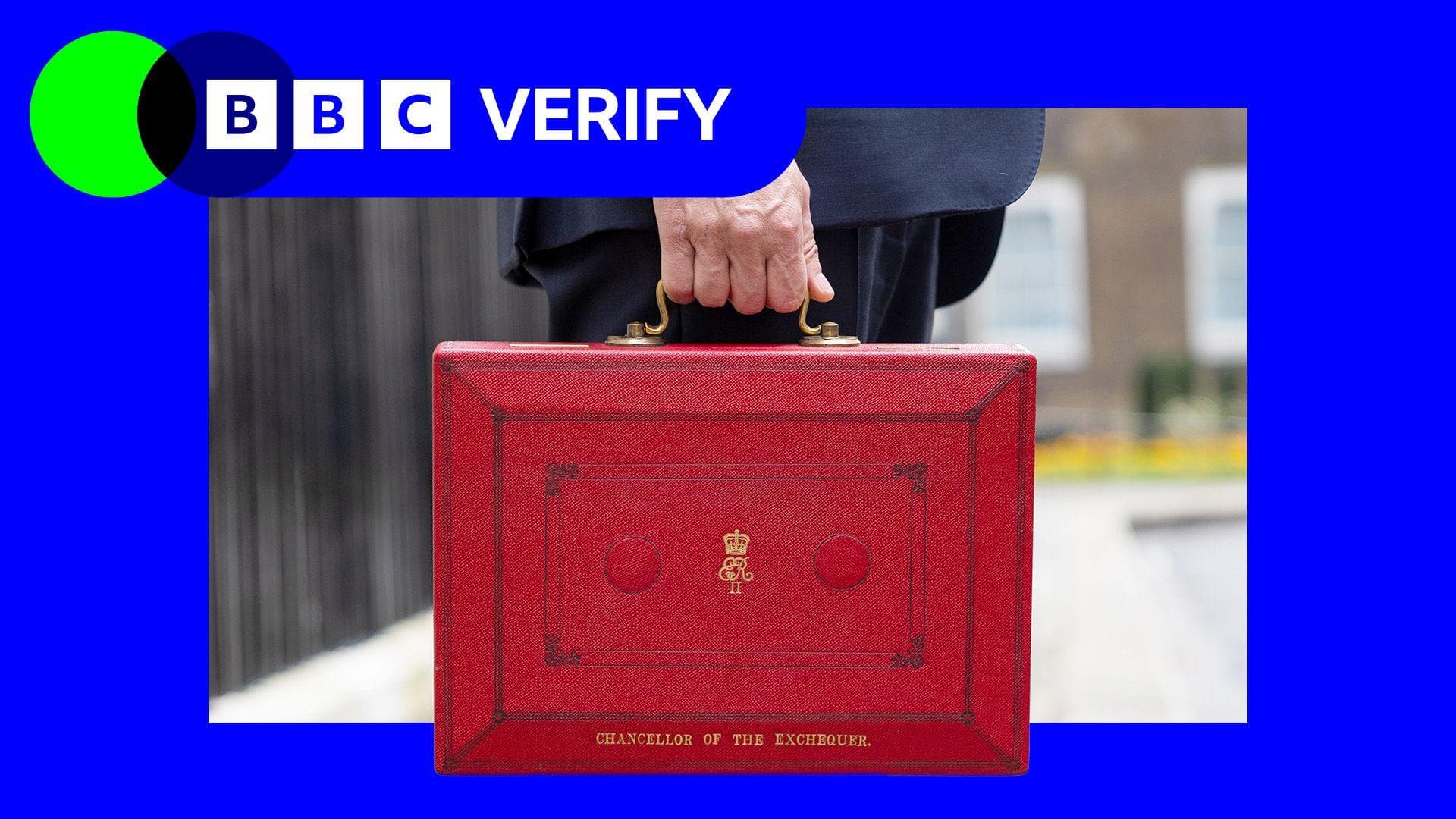
- Chancellor John Healey will present Labour's first budget on 28 October
- £7 million has been allocated in the budget for developing the idea of the
- £7 million has been allocated in the budget for developing the idea of the 'Northern Games'
- The main taxes — income tax, VAT and National Insurance contributions — cannot be touched under Labour's manifesto
The Budget as a test of strength
The government of British Prime Minister Andy Burnham is approaching its first serious exam: on 28 October, Chancellor John Healey will present to parliament the Labour budget with its tax and spending plans. BBC columnist Laura Kuenssberg writes that the cabinet's first months were built on what is called a
£7 million for the dream of an Olympics in the north
One such project is the possible Olympic Games in northern England in 2040 or later. According to the BBC, Healey's budget allocates £7 million of taxpayers' money for developing this plan — a tiny sum by budget standards, but the idea has already sparked lively discussion. The authors of the piece note that it is a
Limited room for manoeuvre
Expectations for the budget in Westminster are being deliberately kept low. The chancellor is bound by Labour's election promises not to touch the main taxes — income tax, VAT and employees' National Insurance contributions— while government spending, borrowing and the tax burden are, according to the BBC, at historic highs. Prices are rising again because of the war in the Middle East, and large spending cuts have already been
What may still make it into the budget
Despite talk of an additional taxes on banks, promises to lift part of the regulatory burden on business, especially small business, the transfer of new powers to local leaders under devolution, and measures on energy bills, which are rising again. Healey has publicly said he wants to support people willing to start their own business.
Criticism: a
The main risk, according to the BBC's sources, is postponing difficult decisions until next year's Spending Review, which sets spending over a longer horizon. Andy Haldane, former chief economist of the Bank of England and a Burnham ally, told The Times he feared a to dismantle the costly, and on its readiness to pursue closer ties with the EU.
A fragile balance within the party
Inside the Labour Party, the mood is, according to the BBC, unusually good: ministers have become more visible and more accessible to backbench MPs. But a source familiar with the budget preparations compared the government to a: on the right are Healey and Burnham's chief of staff James Purnell, on the left Lou Haigh, with Burnham balancing in the middle. After the budget, immigration and welfare reform come onto the agenda, and even small steps could upset this balance. The left wing will look in the statement for support for those in hardship, the right for signs of tough spending discipline. So far, the outlet notes, neither the government's start nor far-sighted projects like the Northern Games answer the main question — what the cabinet will do in the medium term.
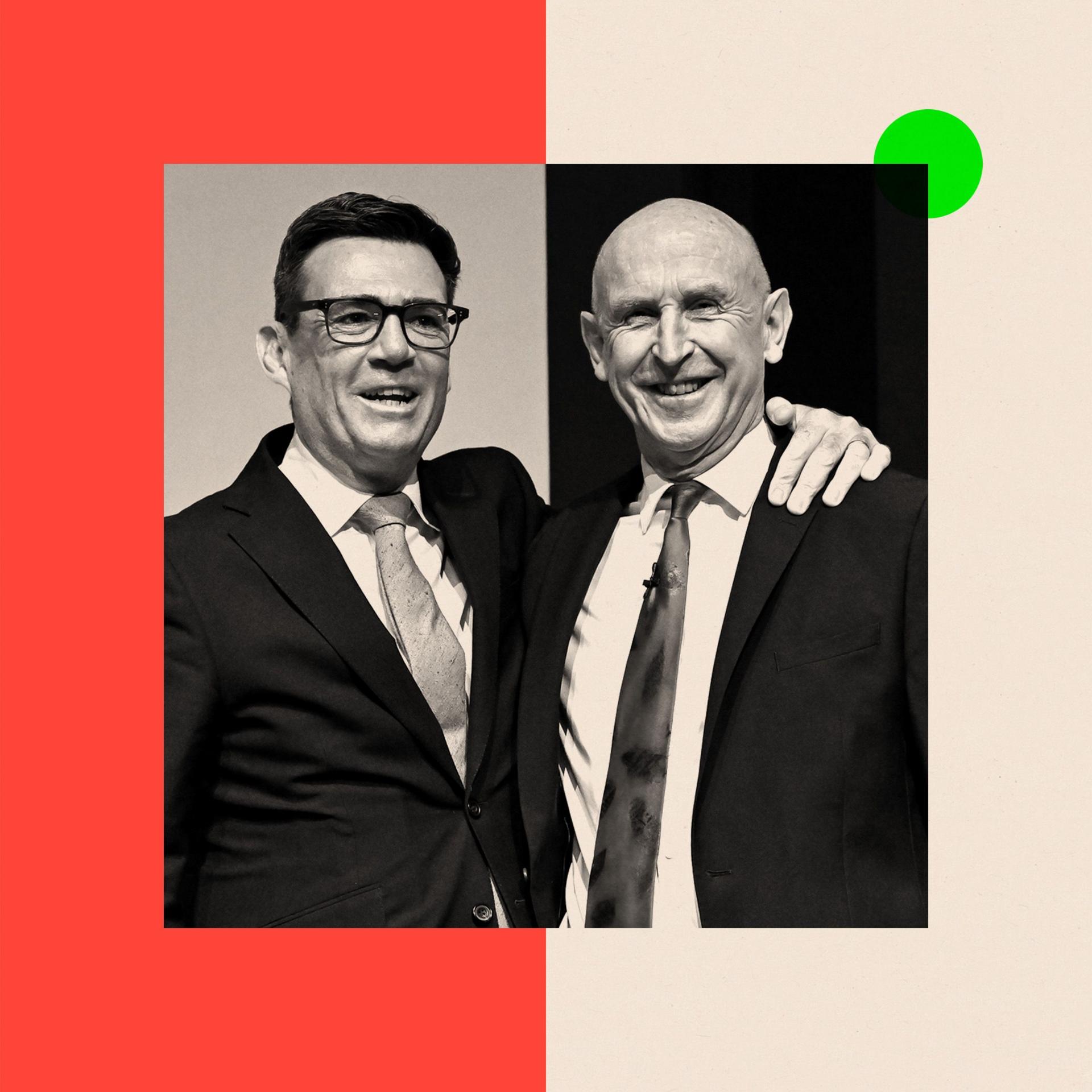
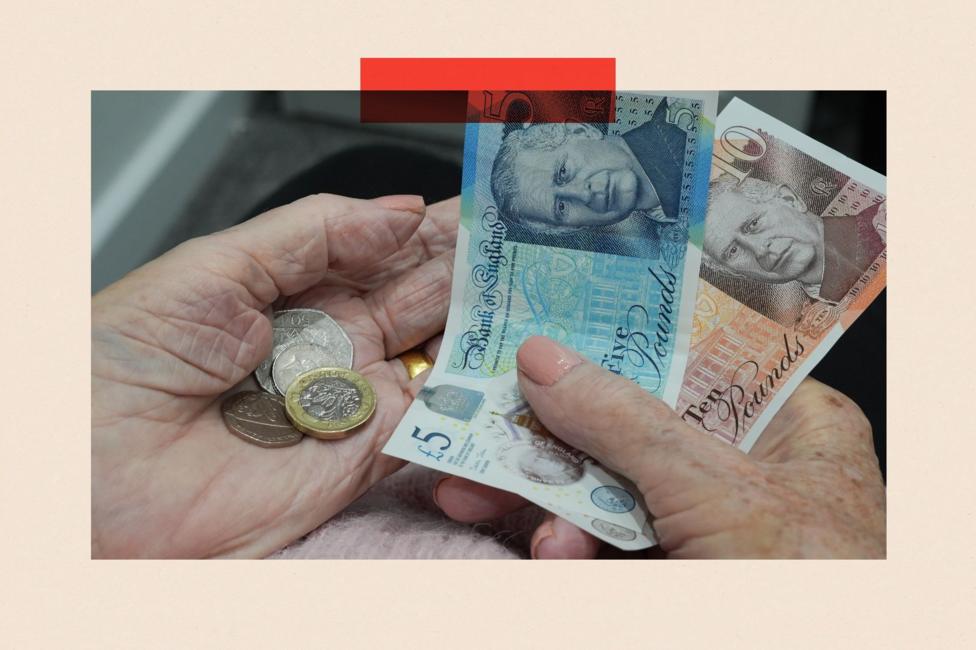 Image source, PA Media
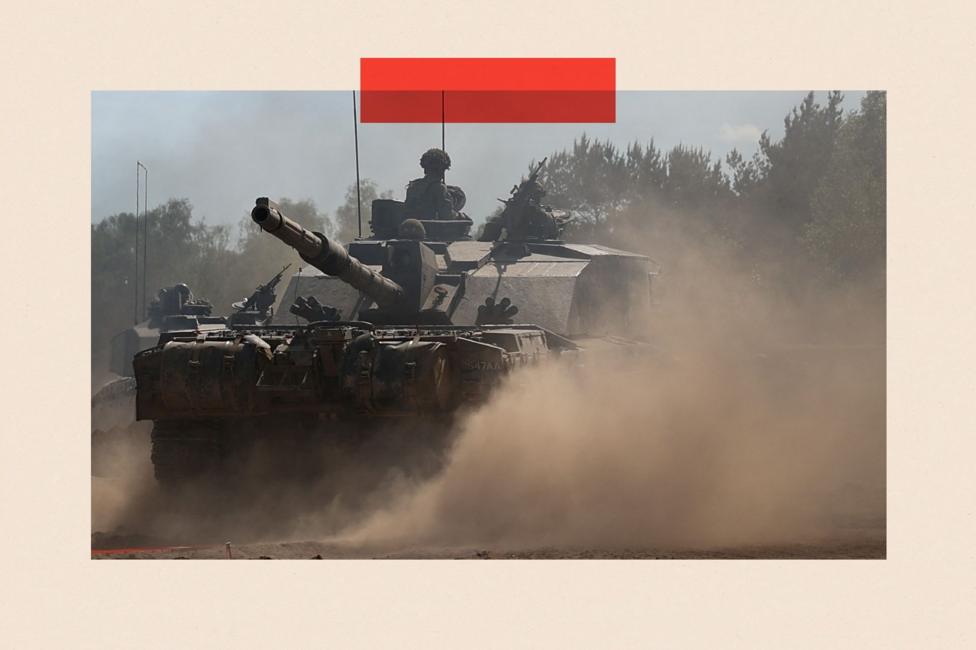 Image source, Reuters
The chancellor and prime minister face a difficult balancing act, trying to offer more support to households and meet commitments on defence spending
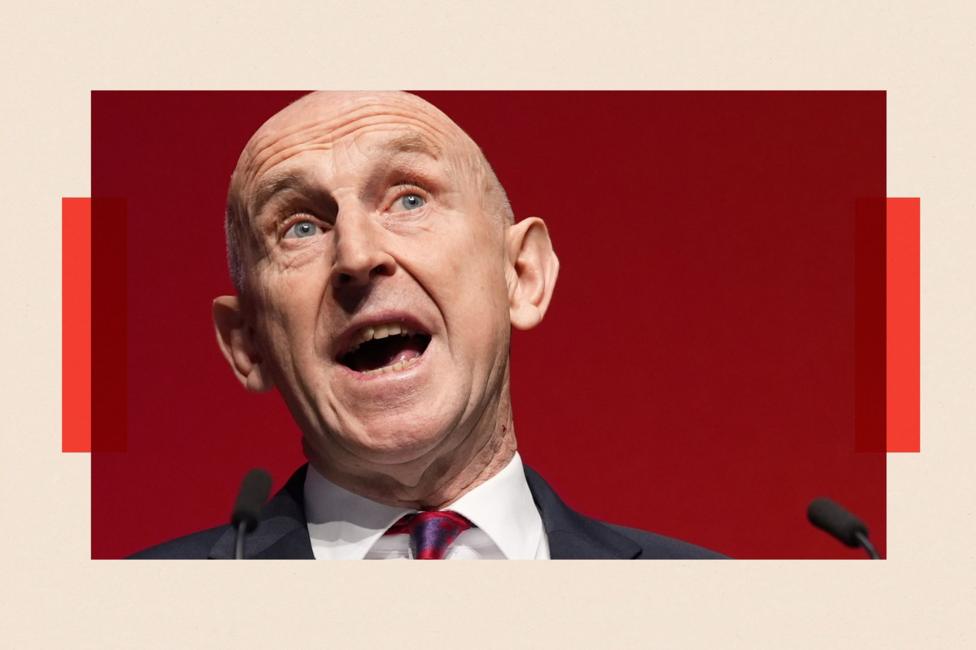 Image source, PA Media
Chancellor John Healey will set out Labour's tax and spending plans when he delivers his first Budget on 28 October
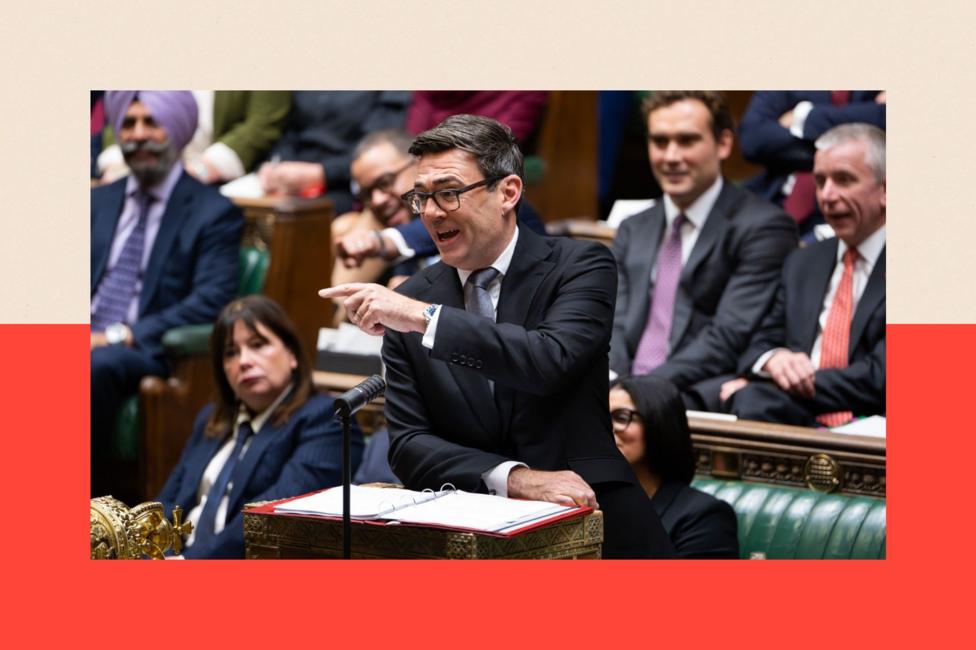 Image source, PA Media
The former mayor of Greater Manchester became the UK's fourth prime minister in five years and the seventh since 2016